
Our Work in
Southern Africa
Since 2016, Palms for Life Fund has worked alongside San and Nama communities to build early childhood infrastructure, expand education pathways, strengthen food security, and preserve endangered languages — across five countries in southern Africa
Introduction
Since 2016, Palms for Life Fund has worked alongside San and Nama communities in southern Africa. The communities PFL works with (San and Nama peoples across Botswana, Namibia, South Africa, Angola, and Zimbabwe) share a common experience of displacement, land loss, and exclusion from services that legal land rights were supposed to unlock. These are communities where structural disadvantage is deep and institutional investment has historically been limited.
PFL’s approach is not relief. It is long-term, infrastructure-led development: building ECD centers that governments then fund and staff, establishing vocational training pipelines that transition to national institutions, and supporting language preservation work that communities have asked for and that has received limited institutional investment historically.
In 2021, PFL launched its Social Development Program, now in its second funding cycle (2024–2027), with operational programs in Namibia, South Africa, and Botswana, and emerging programs in Angola and Zimbabwe.
Across all countries, PFL works through and with local partners and government structures, not alongside them. Local coordinators lead. Community relationships take precedence. Programs are designed from the outset to continue without PFL running them.
Impact At A Glance
As of 2025. Cumulative across all five countries.
34,000+
people benefitting across Botswana, Namibia, South Africa, and most recently, Angola and Zimbabwe
Education & Youth Development
Access to quality education is the foundation of long-term opportunity. Palms for Life supports children and youth from early childhood through secondary school and vocational training, strengthening both academic success and future livelihoods.
Children enrolled in Early Learning Centers
1,800+
State-of-the-art Early Learning Centers completed
12
Early Learning Centres under construction
5
Schools/Centres with new internet access
18
Secondary students supported through residential repeat-year programs
110
Vocational and bridging courses provided
3,000+
Short training course completions
45+
Adult literacy programs established
5
Playgrounds supported
11
Children engaged in N/uu language preservation
150+
-
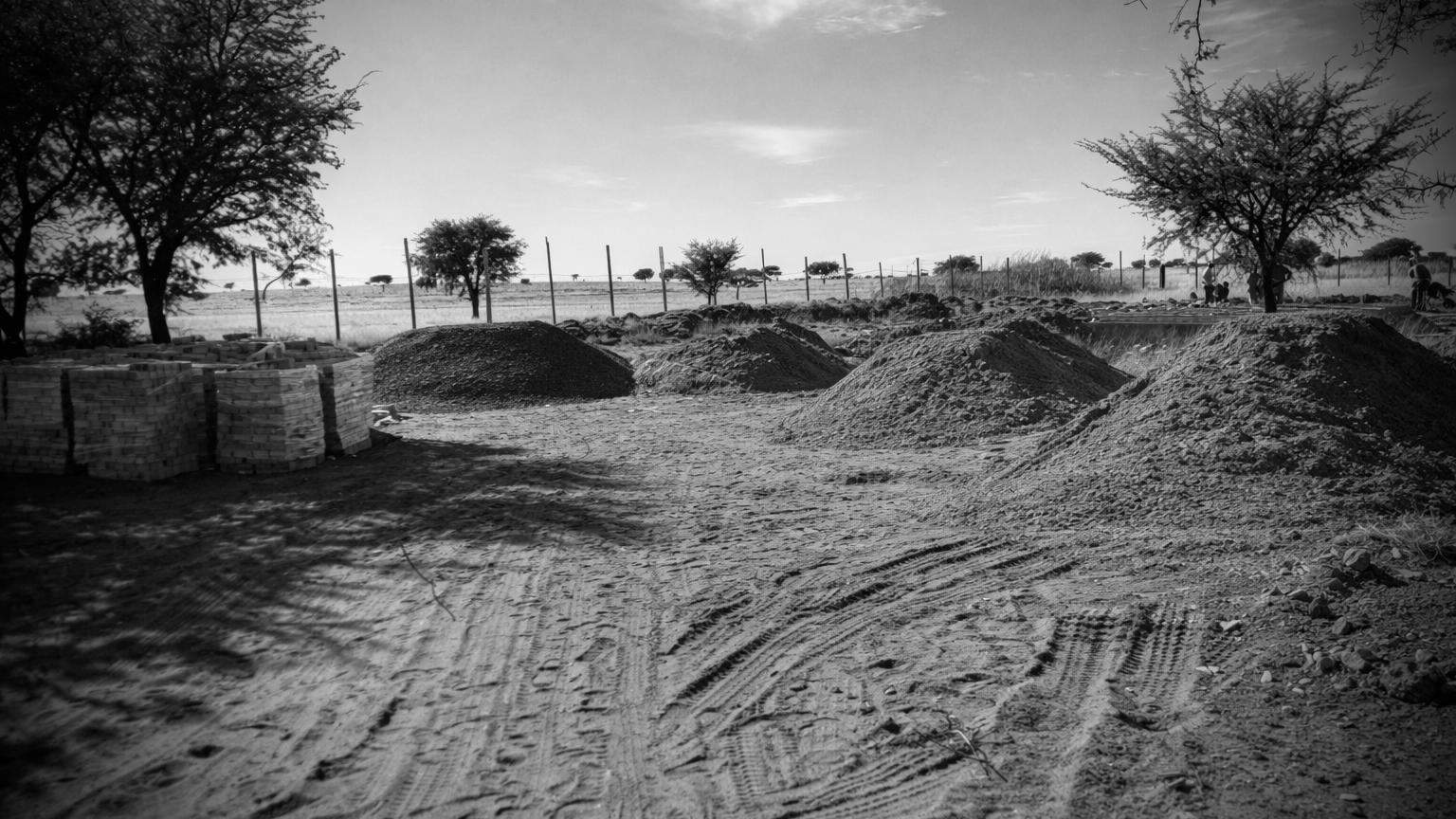
Early Childhood Development (ECD) is a cornerstone of long-term learning outcomes. In Namibia, thousands of children are gaining access to fully equipped, child-friendly schools staffed by trained educators. PFL supports infrastructure development, teacher training, educational materials, and nutrition programs to strengthen foundational learning. New ECD centers have recently been completed in South Africa, with continued expansion planned across the region.
-
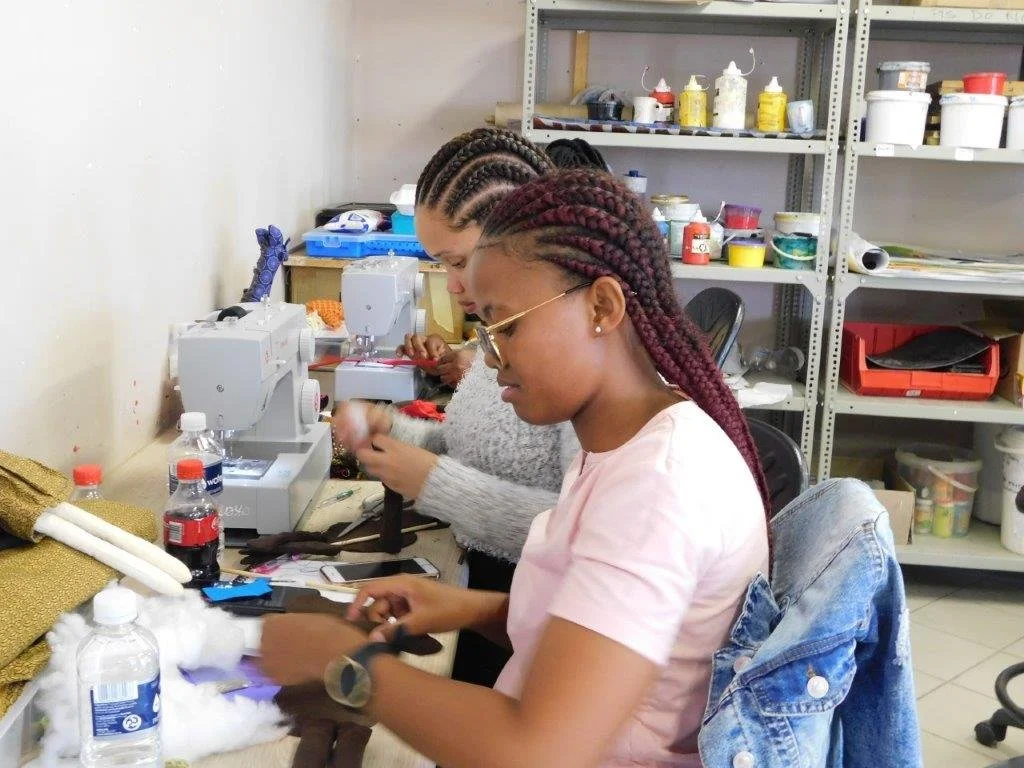
Youth employment is a critical driver of social development. PFL supports secondary school completion, vocational training, and practical job placements. In Botswana, Namibia, and South Africa, students are given a second chance to complete their studies and enroll in vocational programs. Whenever possible, training is linked directly to internships and employment pathways.
-
Adult literacy programs are often hosted within newly constructed Early Childhood Development centers. These initiatives provide access to basic education for San women and adults in remote communities, expanding long-term economic opportunity through partnership with local government.
-
PFL supports preservation of endangered San and Nama languages through community-led classes, audio and video documentation, and development of culturally grounded learning materials. Language preservation strengthens cultural pride and intergenerational continuity.
-
In Botswana, PFL has supported upgrades to hostels serving San children, improving sleeping facilities and access to basic necessities. These improvements directly support school attendance and completion rates
Food Security & Livelihoods
Food security and sustainable income generation are essential to long-term resilience. PFL combines emergency relief with agricultural innovation and livelihood development.
Households received targeted food relief
4,400+
School gardens in production
6
Hydroponics and aquaponics pilots
in progress
Solar parks
emerging
-
Targeted food relief programs support vulnerable households, often in coordination with health clinics and social services. These interventions ensure immediate stability while longer-term programs are developed.
-
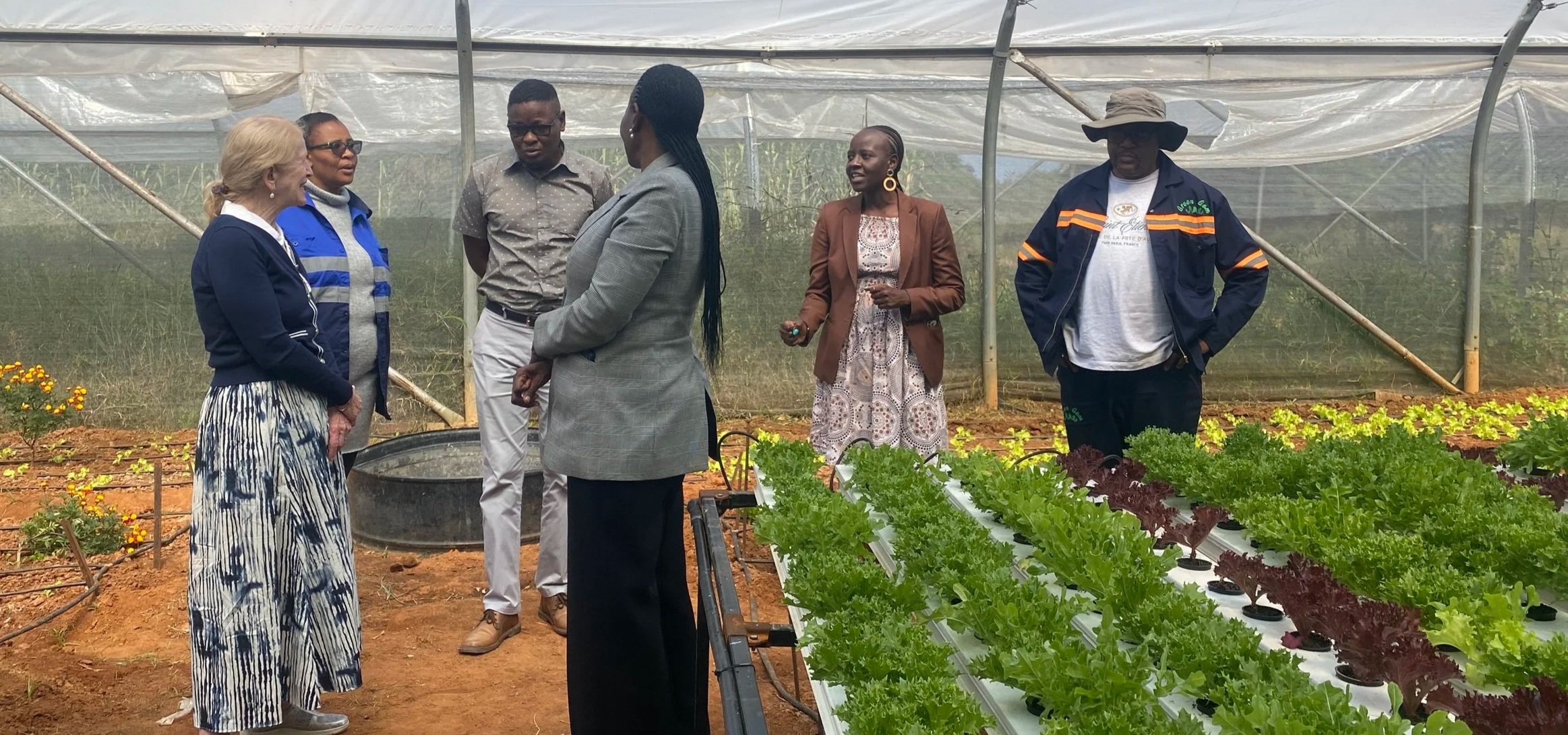
In drought-affected regions of Botswana and South Africa, PFL pilots hydroponic and aquaponic systems to build agricultural skills and improve food security. These innovations create potential pathways for local income generation.
-
PFL is exploring solar infrastructure projects designed to generate income streams for San communities, expanding economic self-sufficiency.
Water, Sanitation & Community Health
Access to safe water and dignified sanitation improves health outcomes, school attendance, and community wellbeing.
water-wise latrines installed
160+
people engaged in gender-based violence prevention initiatives
3500+
-
PFL supports borehole drilling and sustainable water systems in remote areas of Namibia and South Africa, reducing the time families spend walking long distances to collect water.
-
Environmentally appropriate, low-maintenance sanitation systems have been installed in remote communities, improving dignity and reducing health risks.
-
Gender equity is integrated across programs. PFL supports prevention activities and hygiene initiatives to ensure menstruation and sanitation are not barriers to education.
-
Health considerations are embedded across all program areas. From nutrition support in Early Learning Centers to hygiene access and community education initiatives, PFL works to reduce preventable health risks that undermine educational and economic advancement.
Countries of Impact
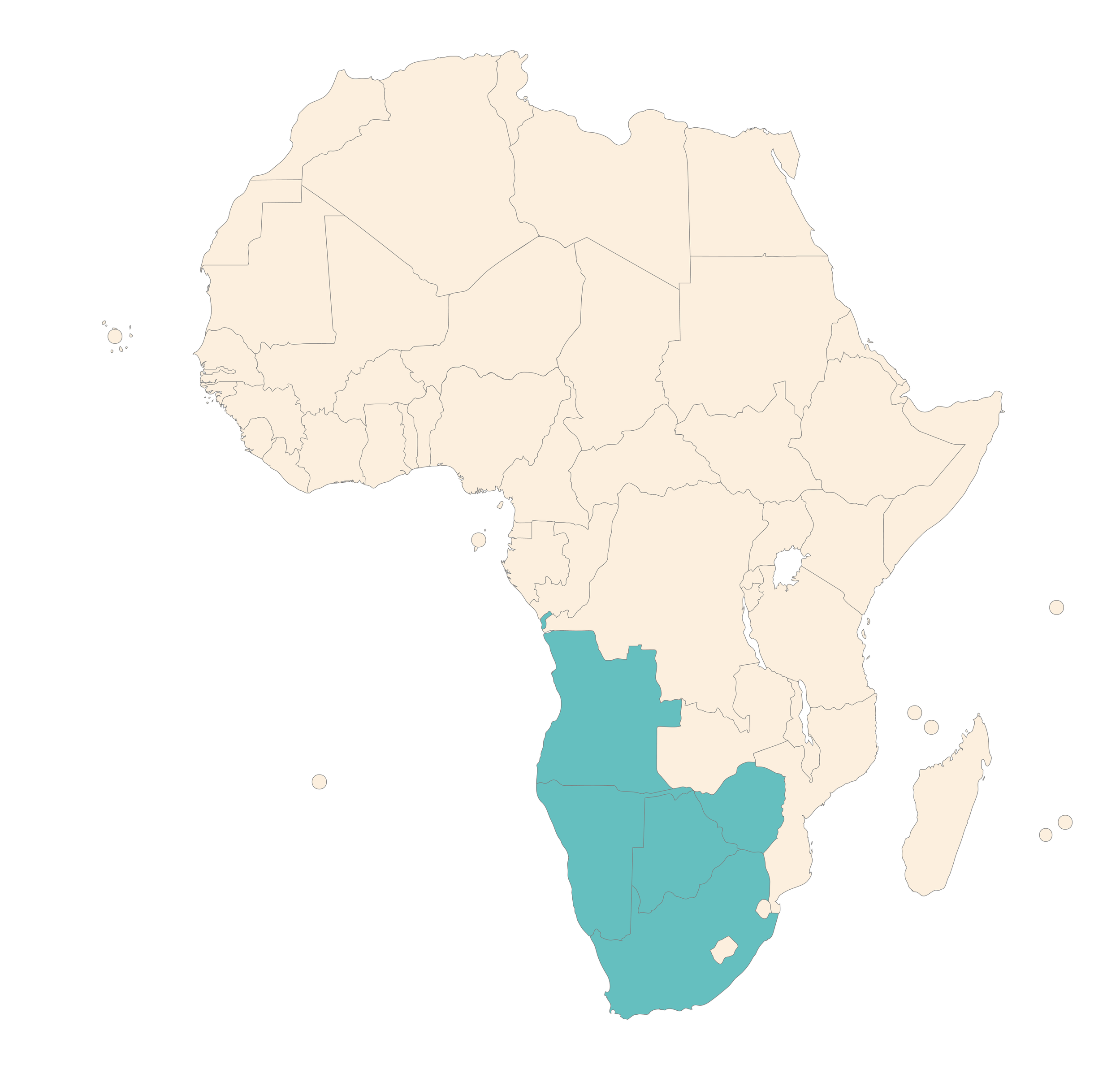
PFL has operational programs in three countries and emerging programs in two more. Each country page provides full program detail, measurable results, and local leadership.
Emerging: Angola & Zimbabwe
**Past partnerships have also included projects in other countries including Eswatini, Madagascar, Mozambique, Ecuador, Nicaragua.