Our Work in Botswana
Palms for Life Fund partners with local organizations in Botswana to advance education, food security, vocational training, and cultural preservation for San communities.
Introduction
Botswana is home to the world’s largest San population: an estimated 64,000 people across dozens of distinct linguistic and cultural groups. Despite the country’s middle-income classification, inequality is among the most severe in the world, and San communities bear a disproportionate share of it. Youth unemployment sits at 38%, with Remote Area Communities — where San populations are most concentrated — facing the highest rates of poverty and the most acute gaps in education, health, and economic access.
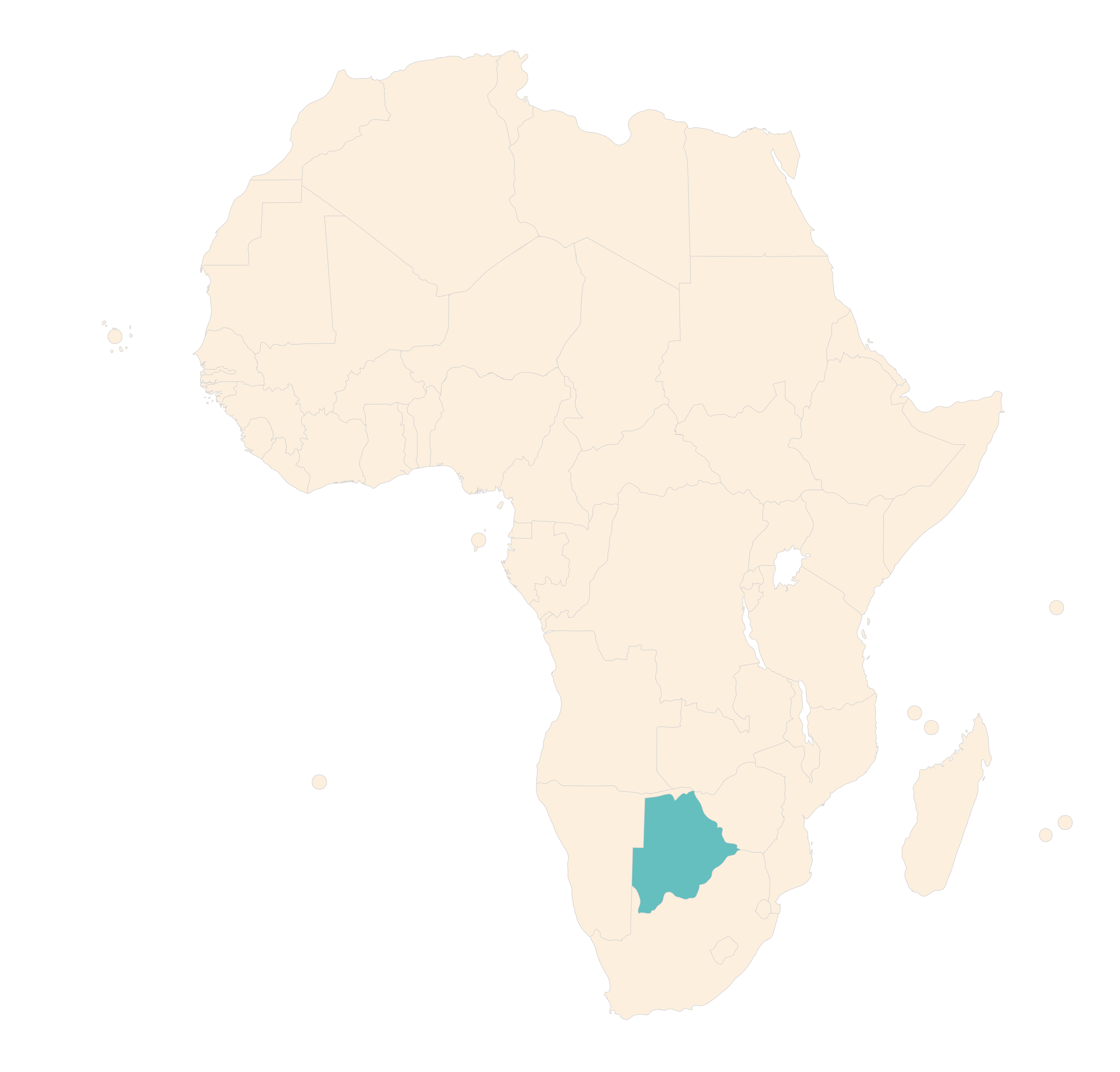
Botswana's national policy does not formally recognize ethnic distinctions, meaning San communities have no special legal standing and receive limited targeted support. PFL’s work is concentrated in Remote Area Communities in Okavango, Ghanzi, North-West, Boteti, and Kweneng Districts: the areas of highest San population density and most acute service gaps. PFL has worked here since 2020, building early childhood infrastructure, supporting vocational pathways to employment, strengthening food security, and advancing the formal recognition of San languages and culture.
Active Program Areas
-
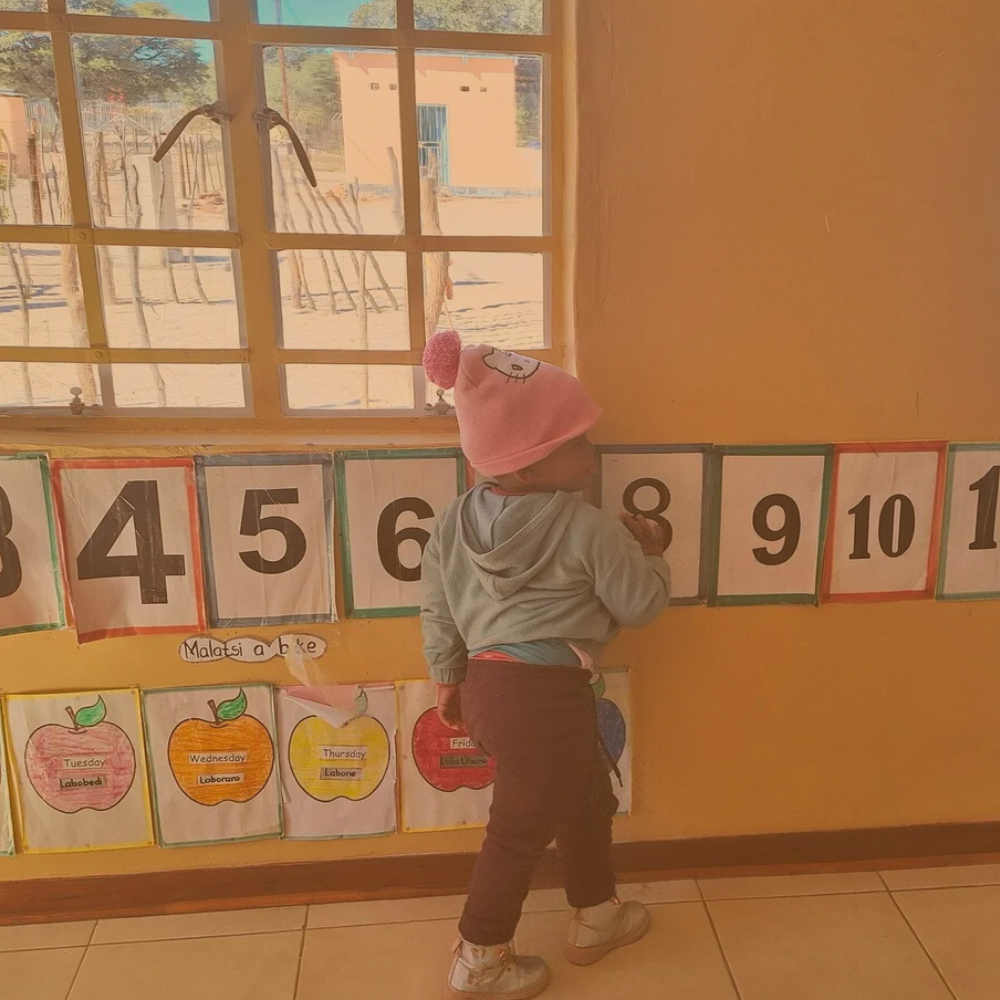
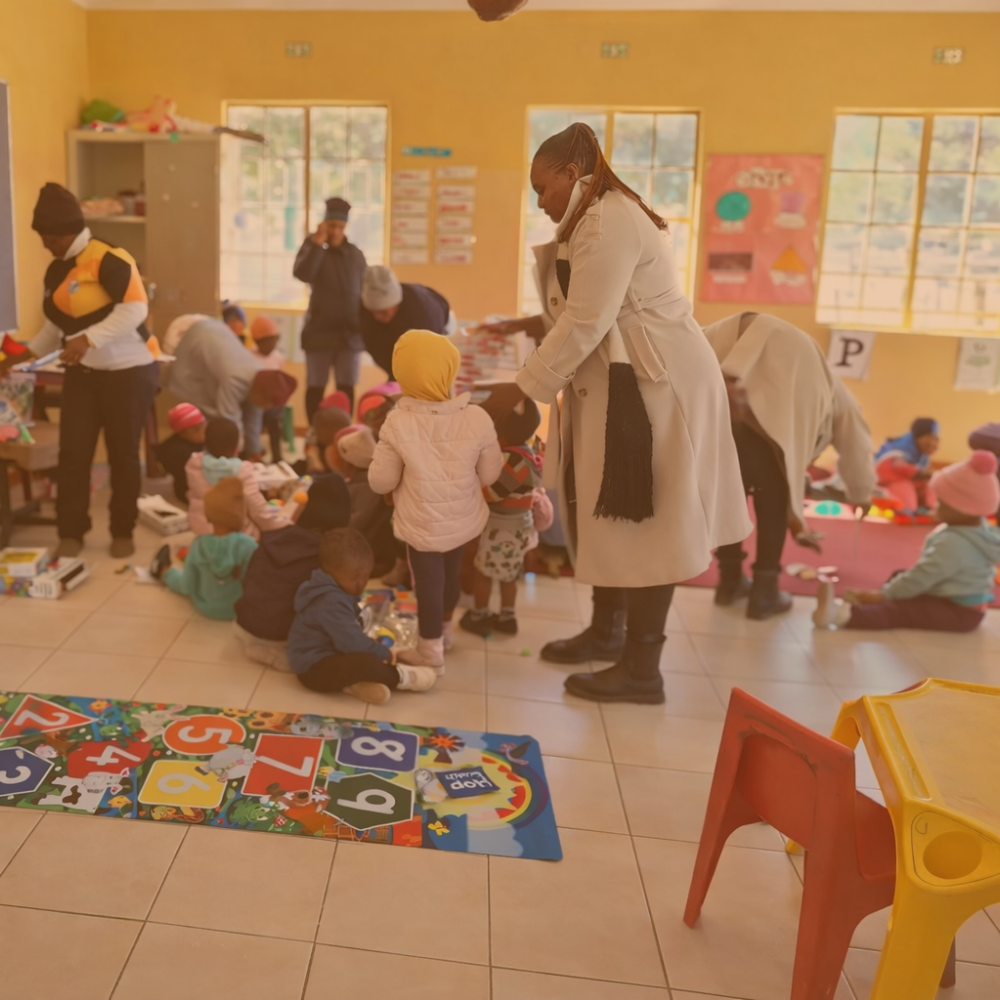
9 playgroups operational across Okavango, Ghanzi, and North-West Districts — serving 220+ children with daily early learning and nutrition
11 playgroups improved: classrooms, toilets, outdoor kitchens, playgrounds, and educational toys provided
2 hostels serving children in remote areas improved, including dining halls and solar geysers
-
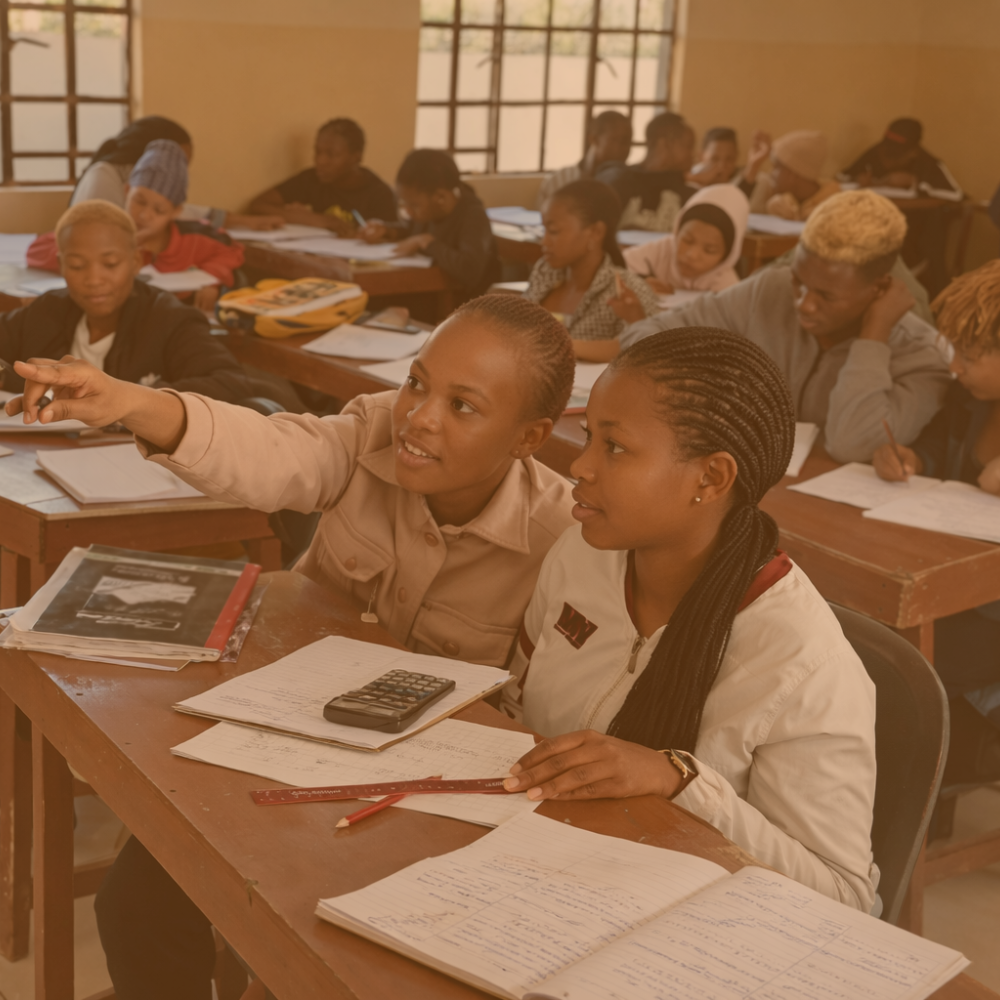
Dajura scholarship program supports San youth through secondary and into tertiary education
20 students currently repeating BGCSE exams; 5 of 6 Gabane 2023 graduates continuing in government-supported tertiary programs
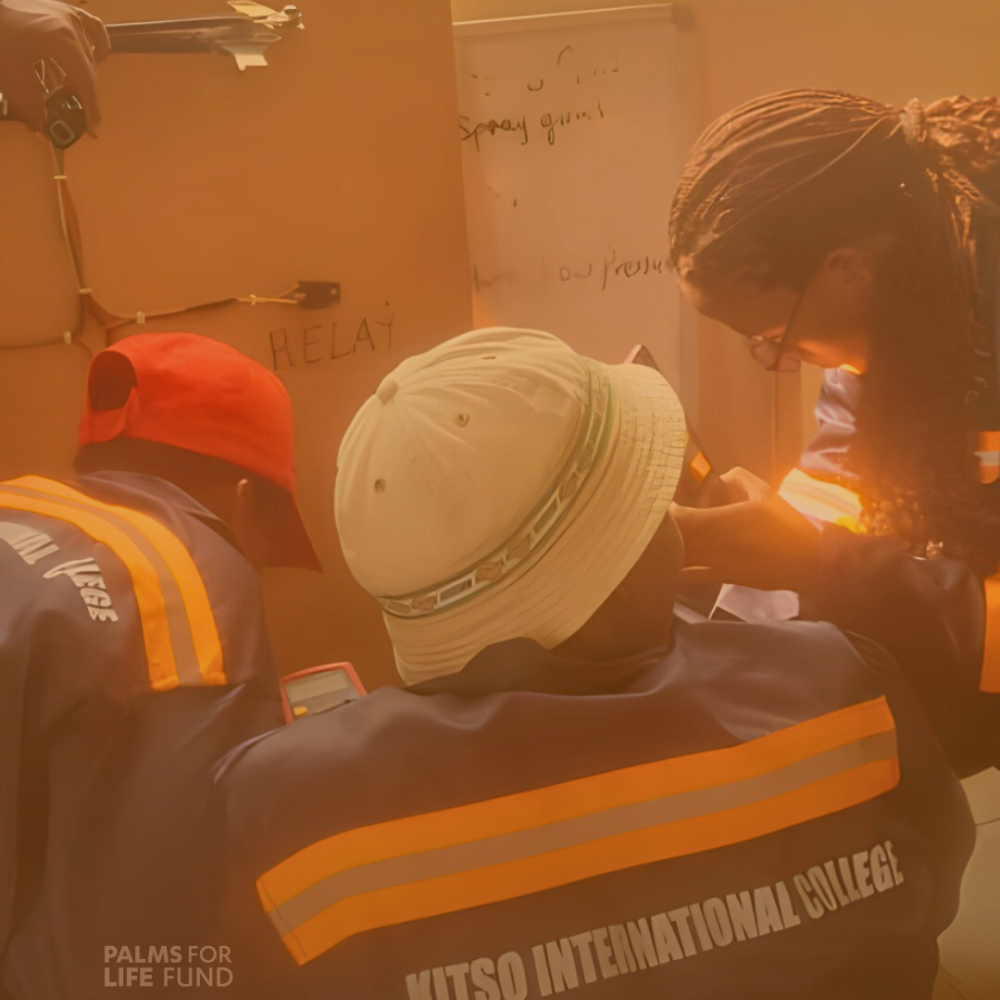
Kitso College: 20 youth enrolled in a 12-month automotive training course, 100% pass rate on May 2025 exams
-
Chobe partnership: hospitality training with direct employment pathway to Chobe Holdings camps
Two cohorts completed; majority of graduates from cohort 1 remain employed; cohort 2 hires in process
Discussions with the Hotel and Tourism Association of Botswana ongoing to broaden sector-wide opportunities
-
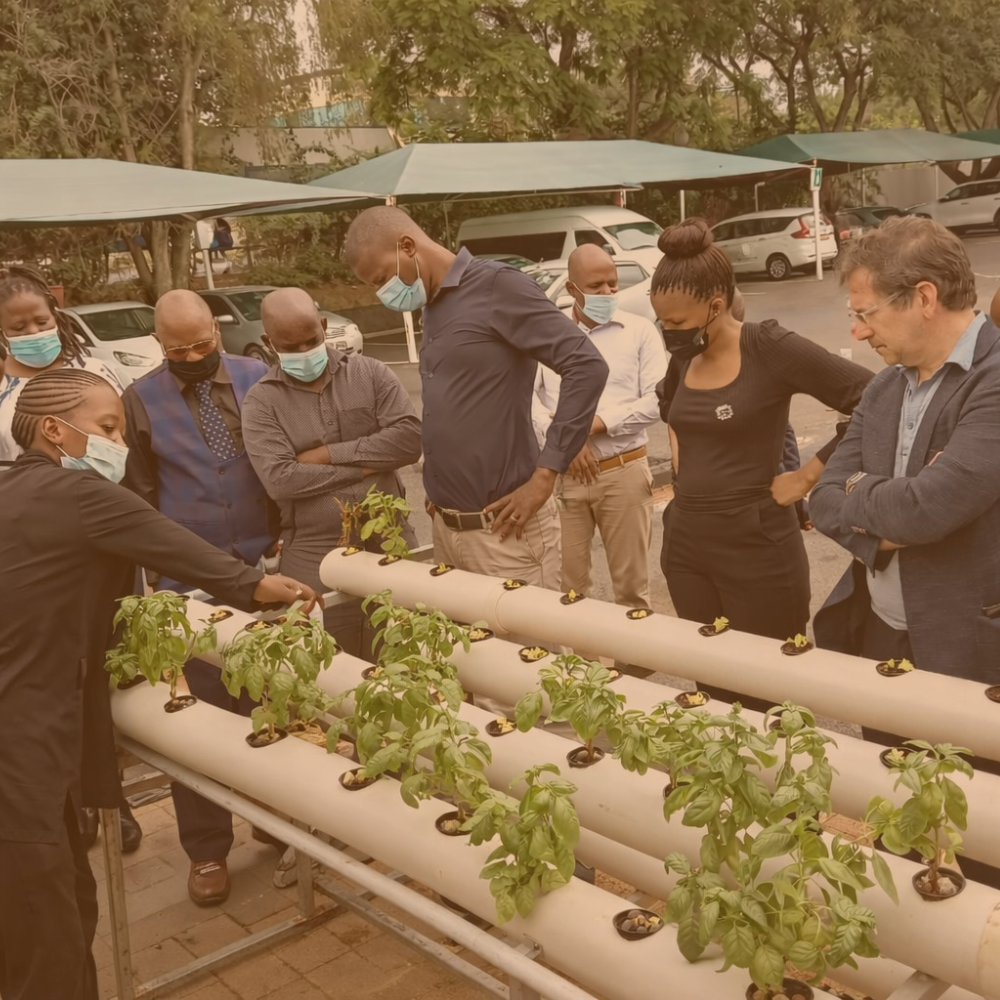
Hydroponics pilot across 6 Districts: over 130 participants trained; 5 units operational at Green Gem in Gaborone
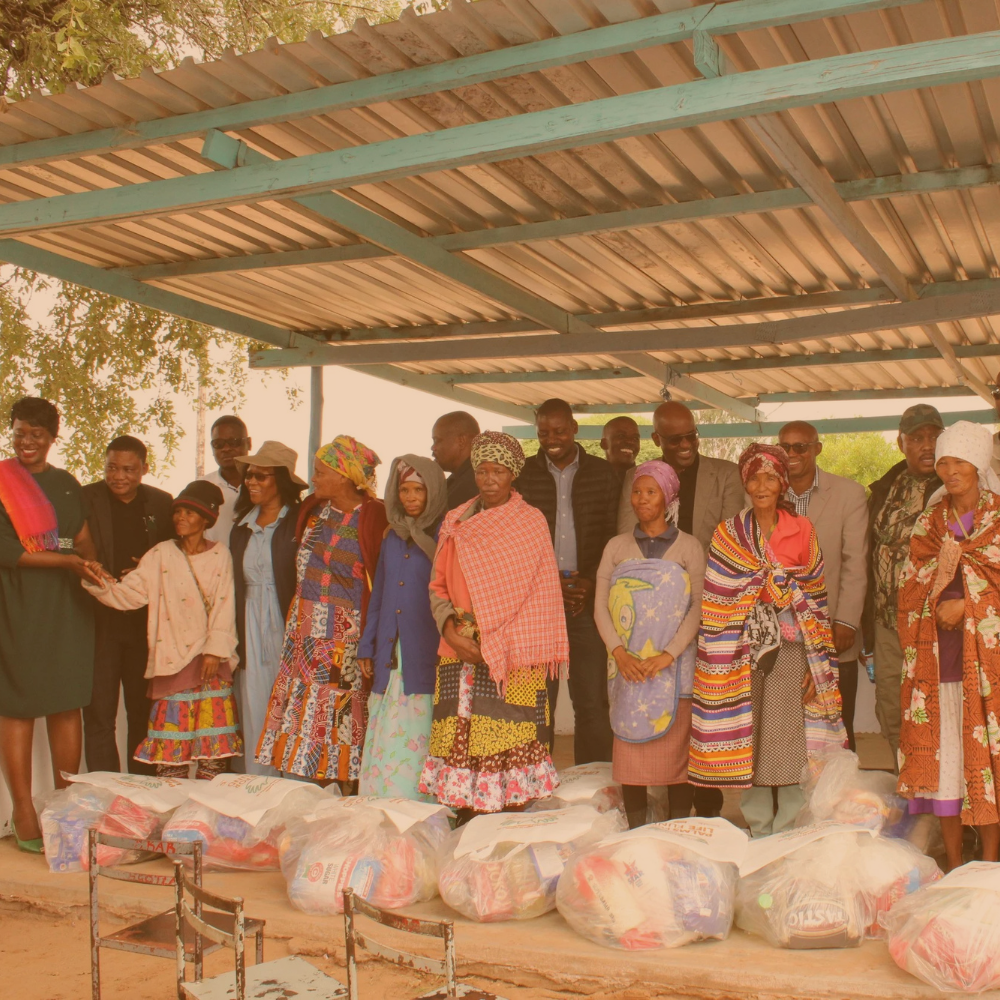
Emergency food relief since 2021: 2,100+ households reached, 14,000+ people supported, average 3 months duration
Ongoing nutritional support to 9 playgroups: daily breakfast 5 days/week
-
!Xoo language assessment completed; formal recommendations submitted for revitalization and literacy development
National Dialogue Series on Indigenous Inclusion launched — convening San representatives, academics, NGOs, and government
Advocacy document in preparation for parliamentary committees
-
Menstrual dignity initiative: reusable sanitary pads distributed to adolescent girls; monitoring shows positive uptake and school attendance impact
Youth leadership groups formalized across multiple communities; environmental clubs now functioning autonomously
Community-based prevention and engagement programs address GBV and alcohol-related harm, with embedded behavioral commitment standards across all PFL programs
Measurable Results
-
9
playgroups operational
-
220+
children served daily
-
2,100+
households reached with food relief
-
14,000+
people supported through emergency food programs
-
130+
participants in hydroponics training across 6 Districts
-
3,300+
people engaged in GBV prevention programs
-
100%
pass rate, Kitso College automotive cohort, 2025
Local Leadership
PFL's work in Botswana is carried out through and with local implementing partners and staff. Local leadership is key to how PFL operates.
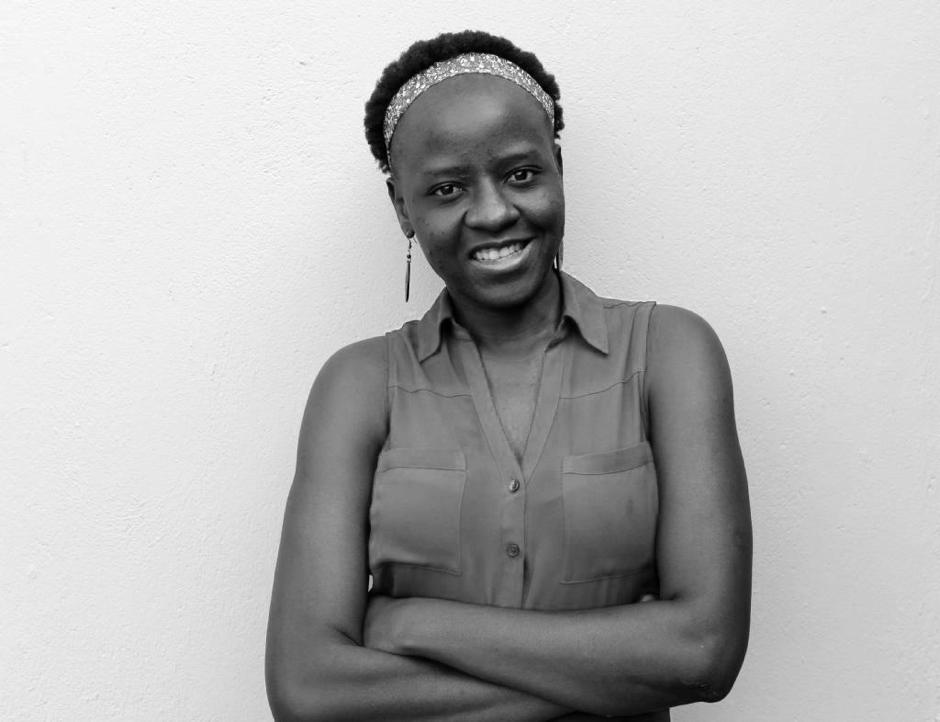
Dorothy O’Katch
Country Coordinator, Botswana
Leads PFL’s Botswana operations across Okavango, Ghanzi, and North-West Districts, overseeing playgroups, partnerships, and community coordination.