Our Work in Namibia
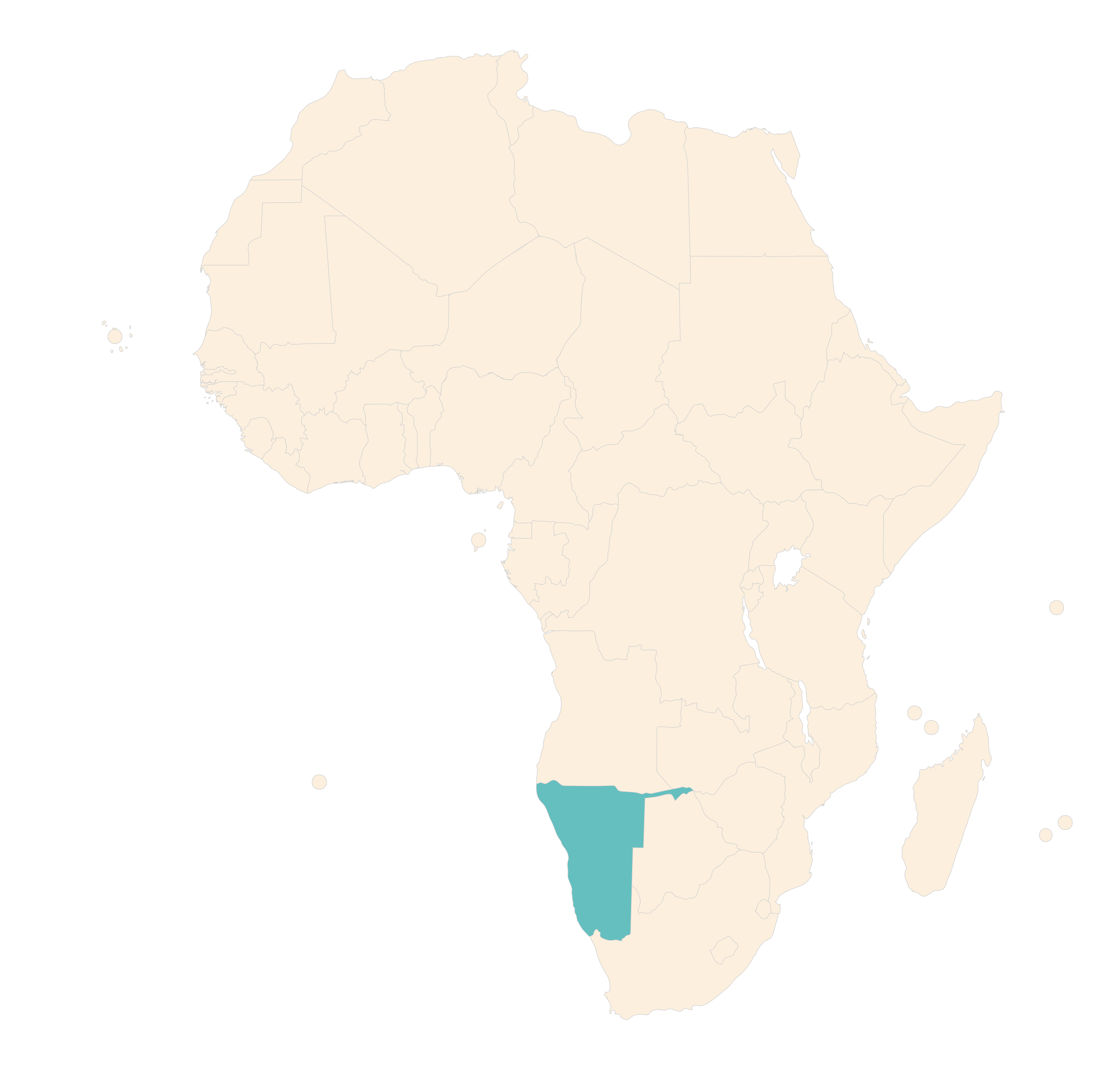
Palms for Life Fund has partnered with San and Nama communities in Namibia since 2019, investing in early childhood education, vocational training, food security, and language preservation across six regions.
Introduction
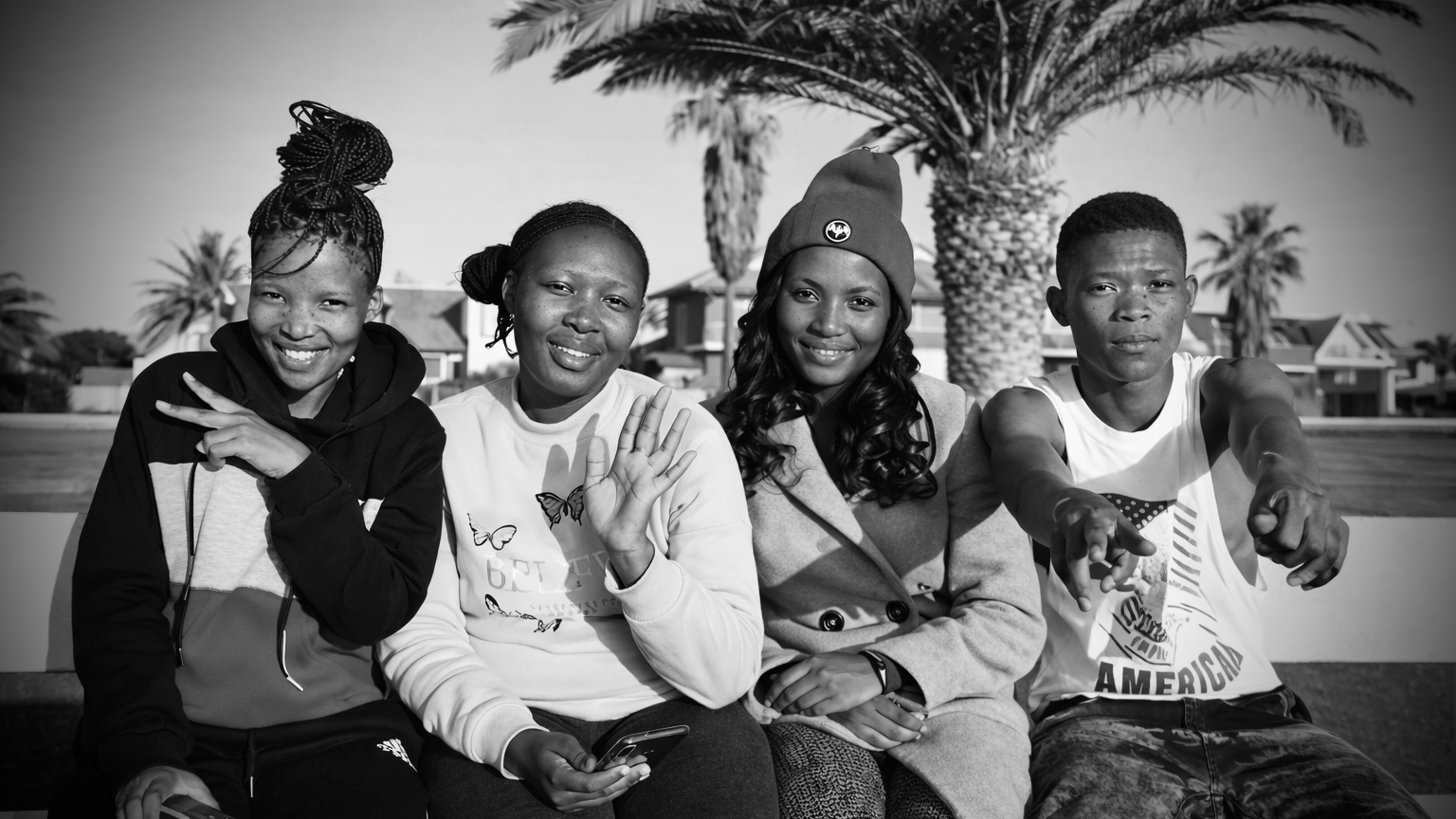
Namibia is the second most unequal country in the world by income distribution. This inequality falls hardest on San and Nama communities, who face a 93% rate of multidimensional poverty - the highest of any linguistic group in the country. San communities across Namibia's Kavango East and West, Oshikoto, Omaheke, Otjozondjupa, and Omusati regions face overlapping disadvantages: land insecurity, very low levels of formal education, limited political representation, and persistent discrimination. These are structural conditions, not individual circumstances.
PFL has worked in Namibia since 2019, investing over $12 million in long-term social development. Namibia represents PFL’s longest-running and most systemically integrated program model. The approach here is not to build parallel systems but rather to strengthen and complement existing ones: ECD centers managed in partnership with government, vocational training pipelines handed over to national institutions, language revitalization developed with UNESCO. Scale is measured not by how much PFL controls, but by how much continues without it.
Active Program Areas
-
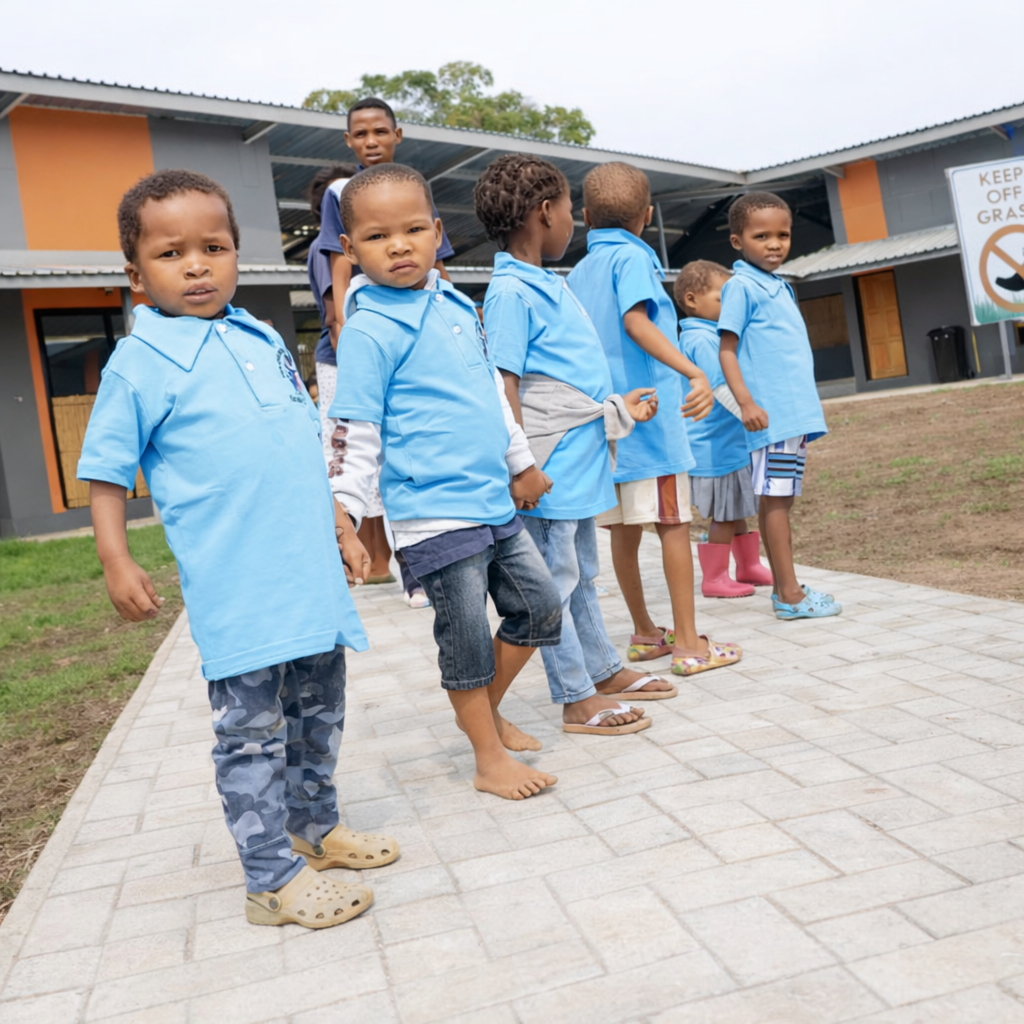
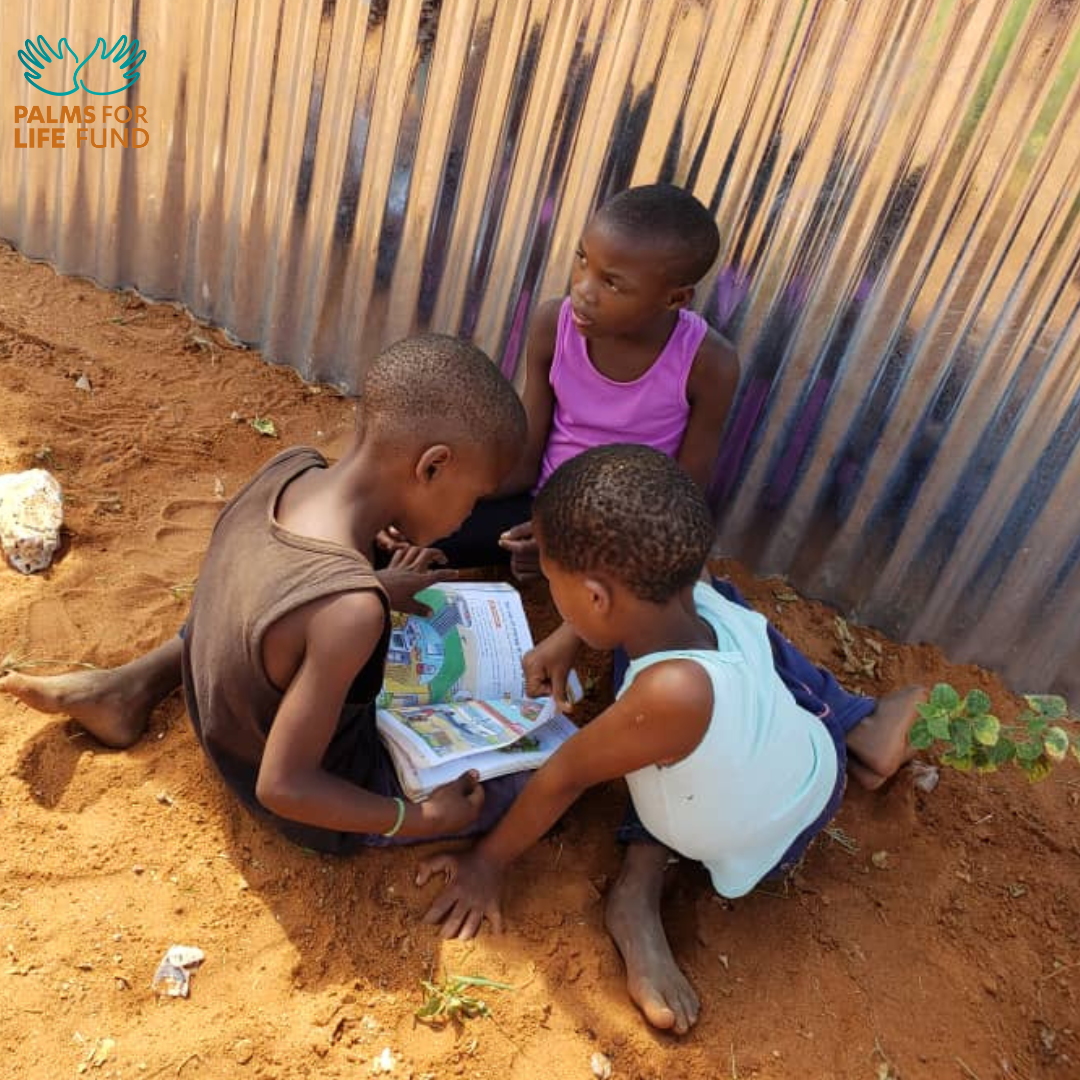
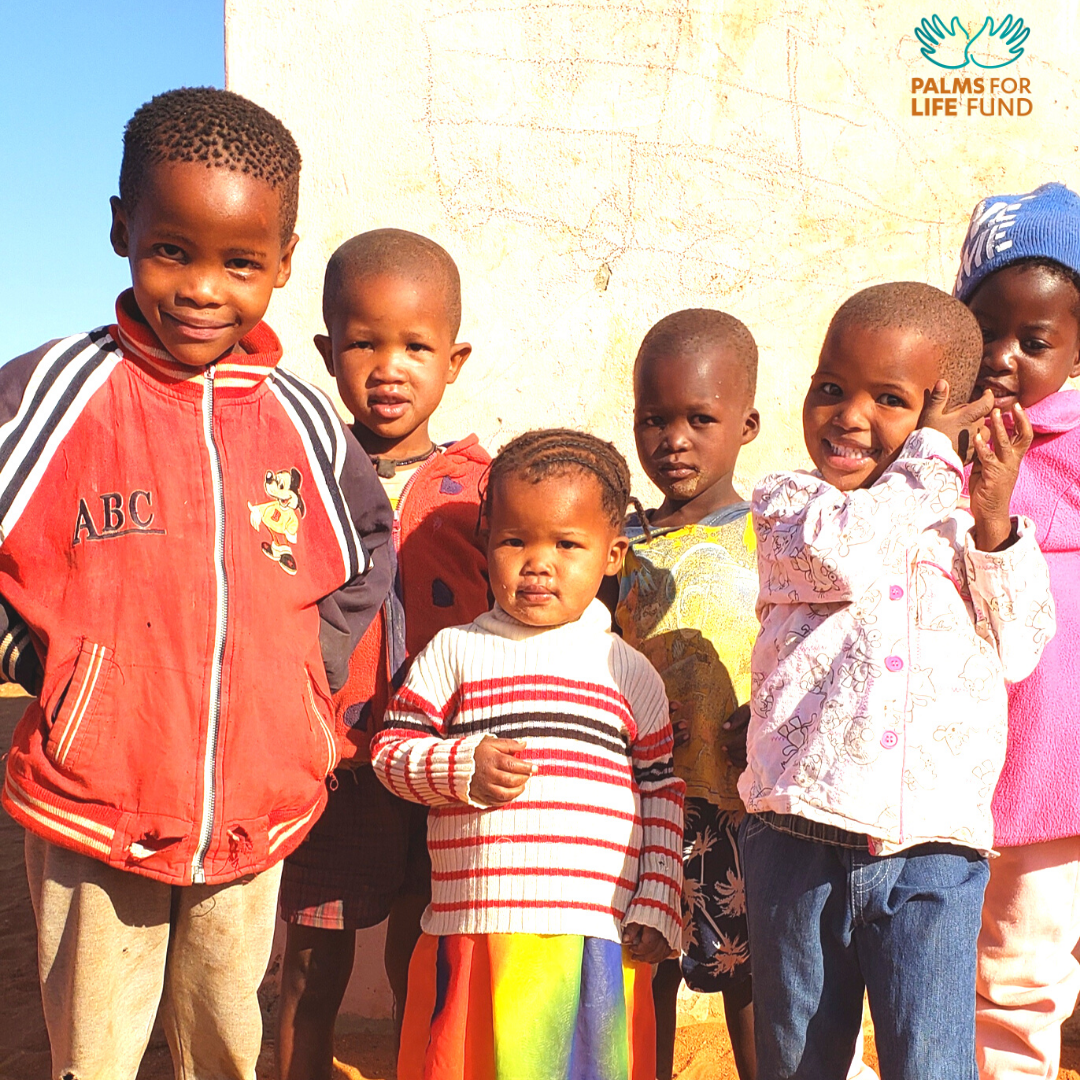
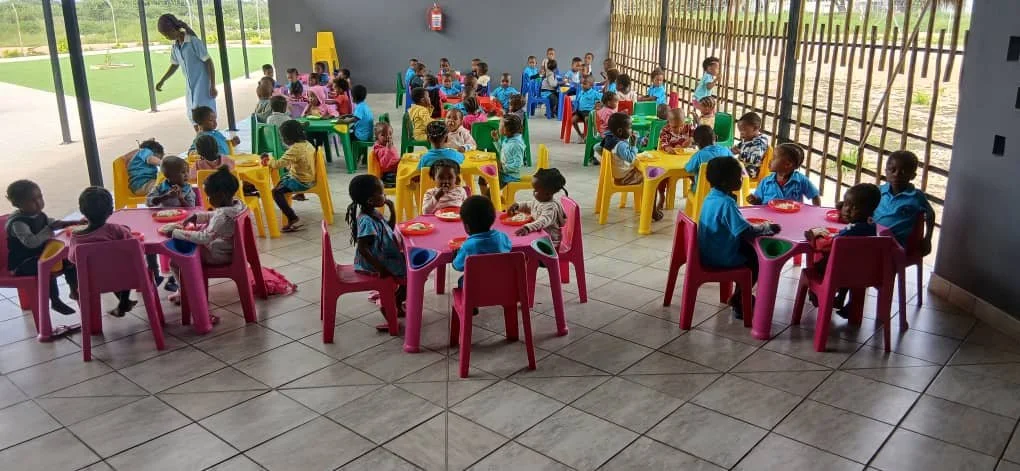
10 ECD centers fully operational — serving 800+ children with daily early learning and meals across remote San communities
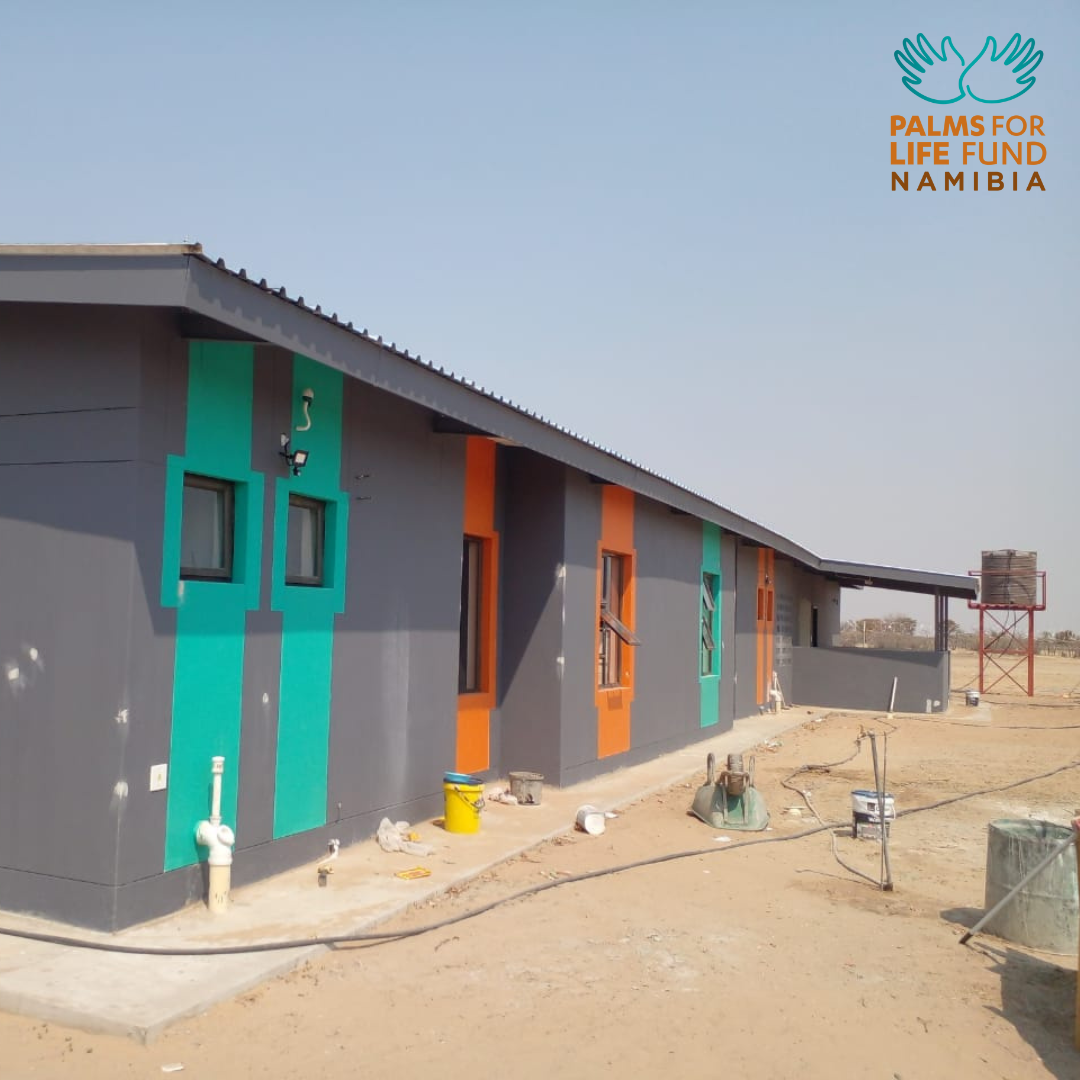
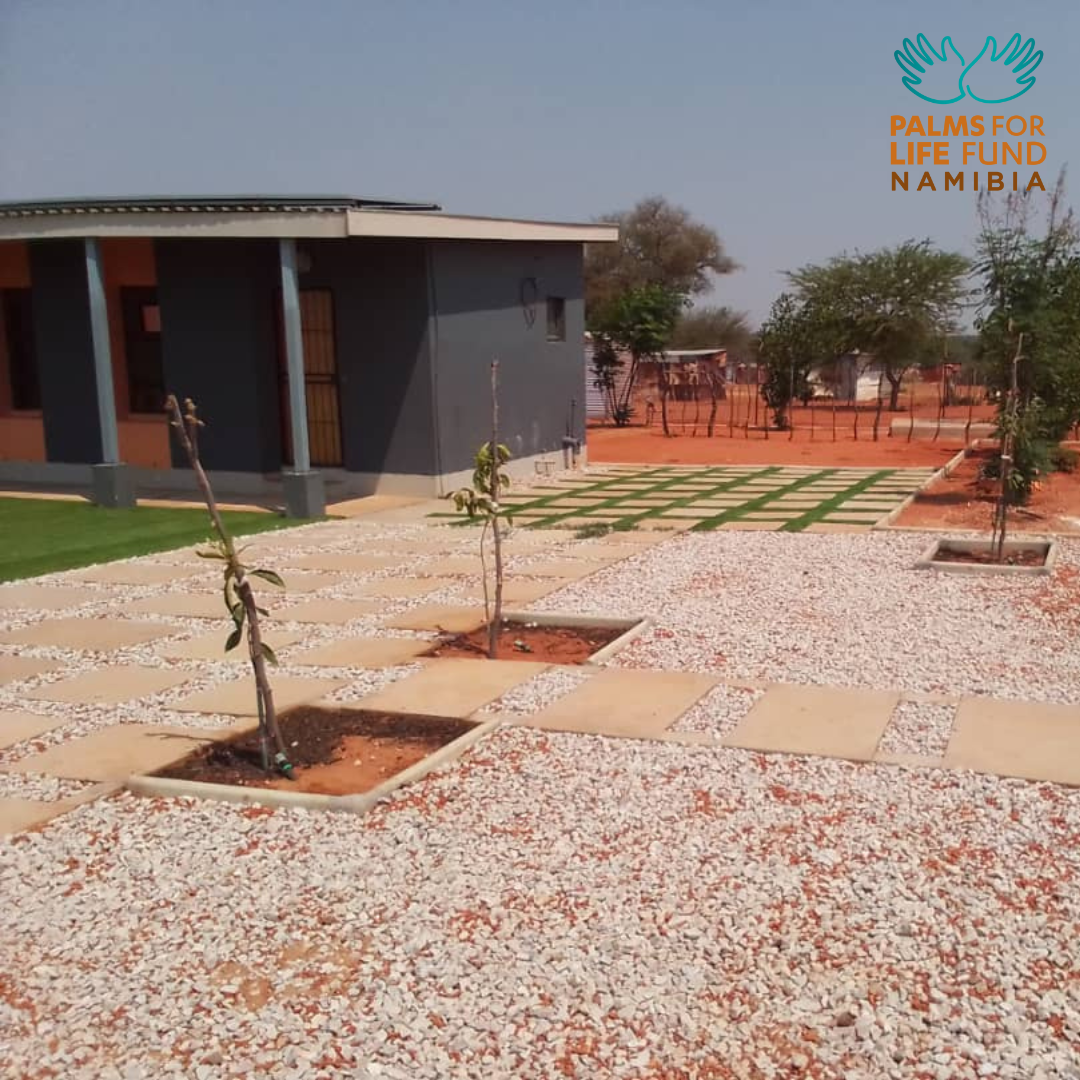
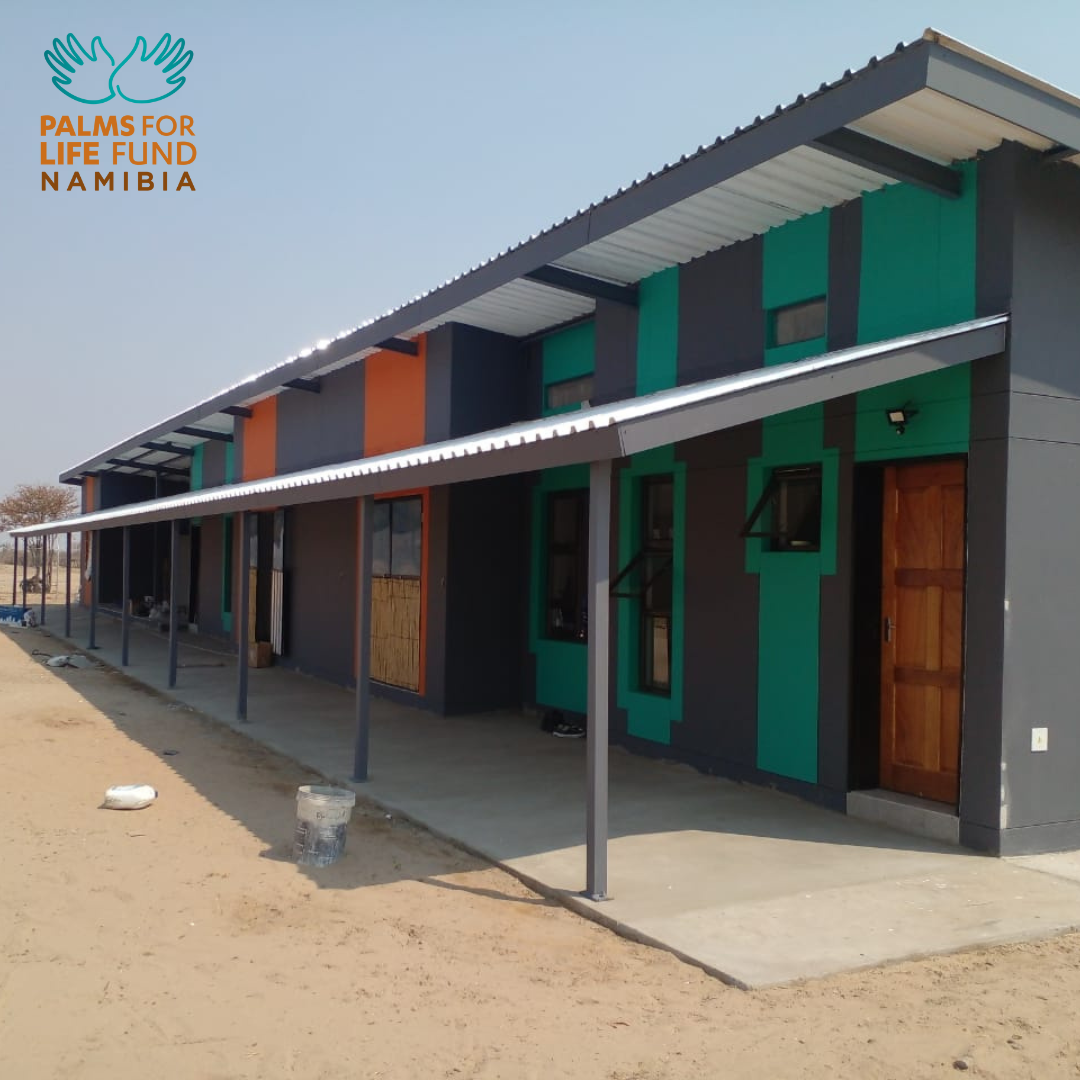
2 additional centers (Seringkop and Mashambo) nearing completion — expected to serve 200+ more children from early 2026
Each center includes Montessori-trained teachers, child-friendly sanitation, age-appropriate toys, digital tools, and daily nutrition
Mother tongue instruction is standard practice at all centers; elders actively support cultural and language learning
40+ ECD practitioners enrolled in ongoing Montessori-based teacher training
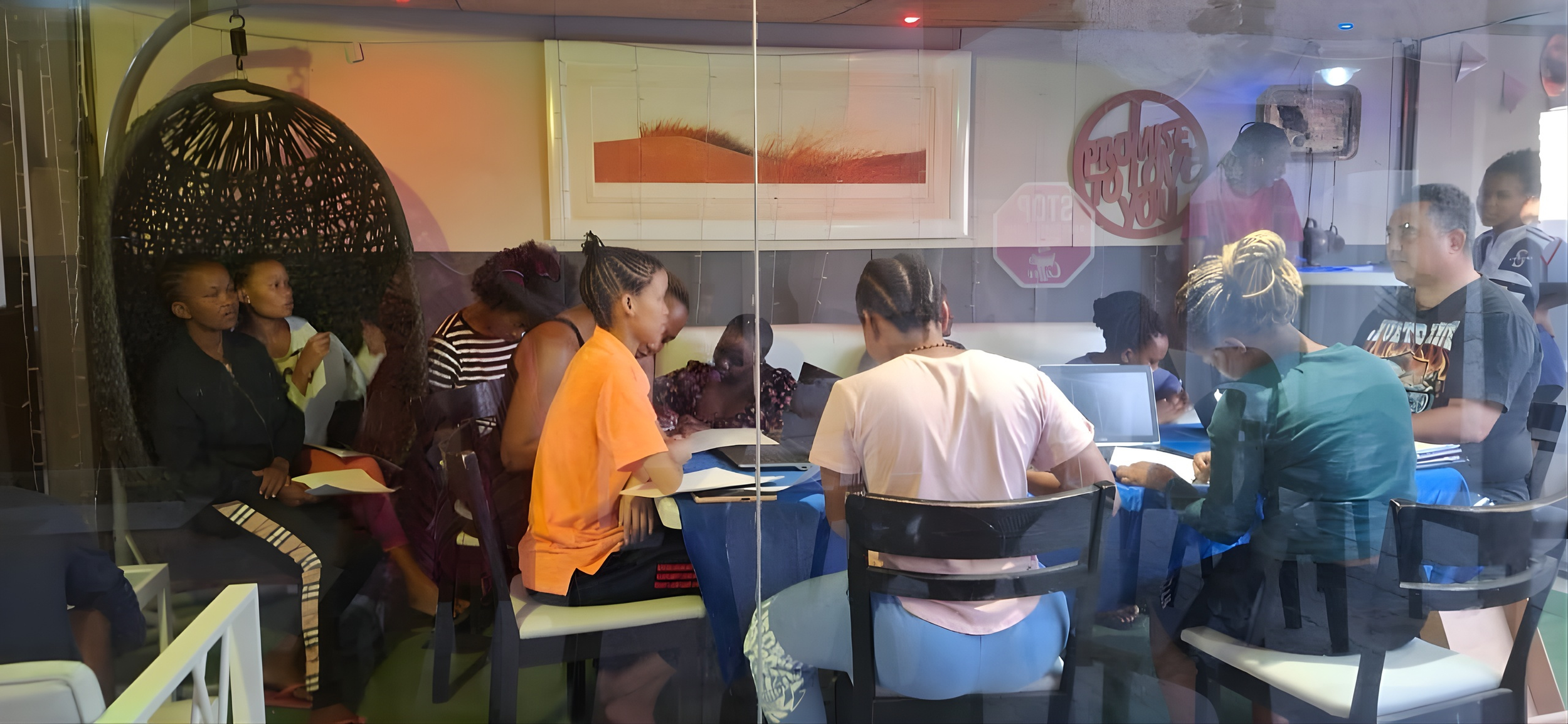
Adult education classes at ECD centers serve 200+ parents annually — parenting, numeracy, and English
-
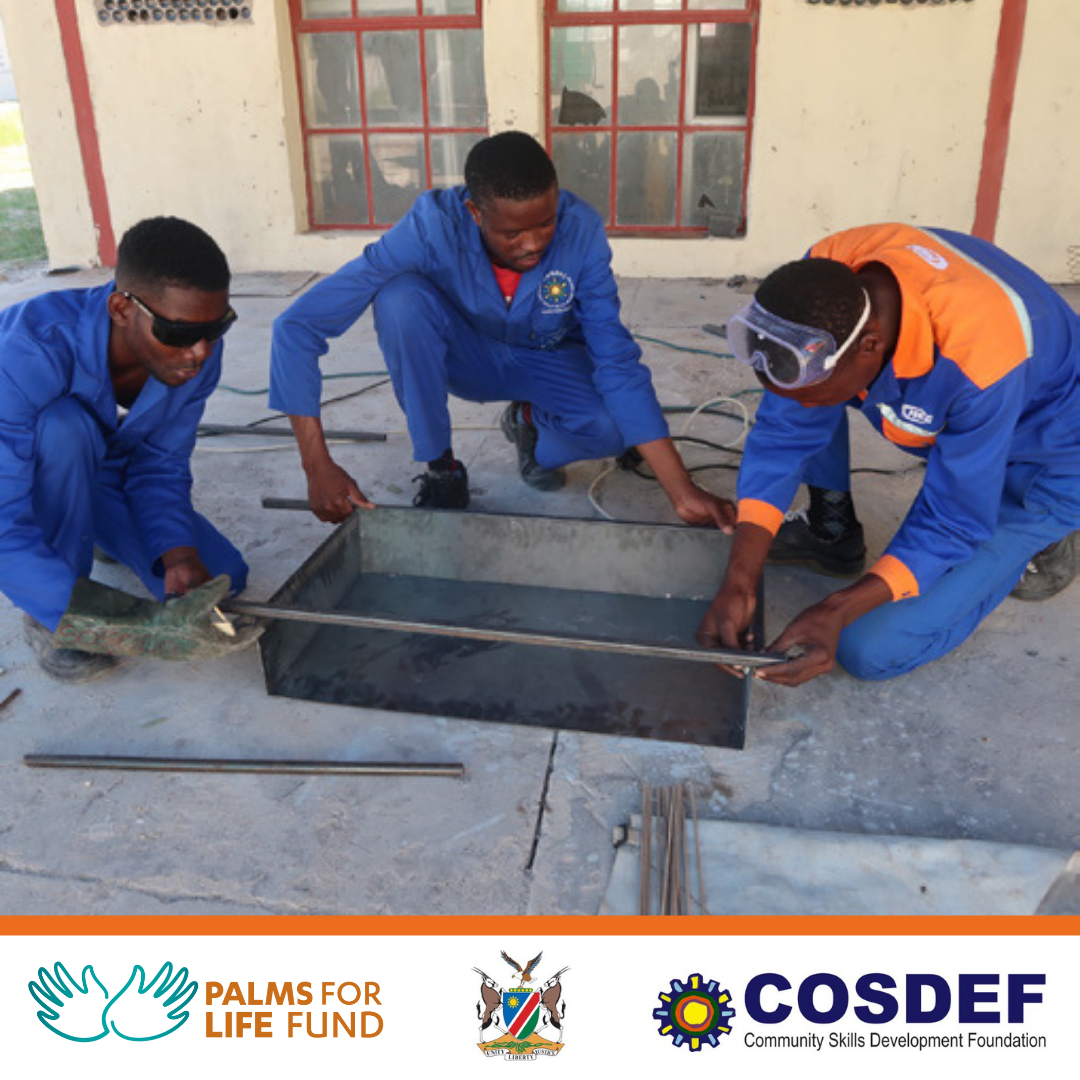
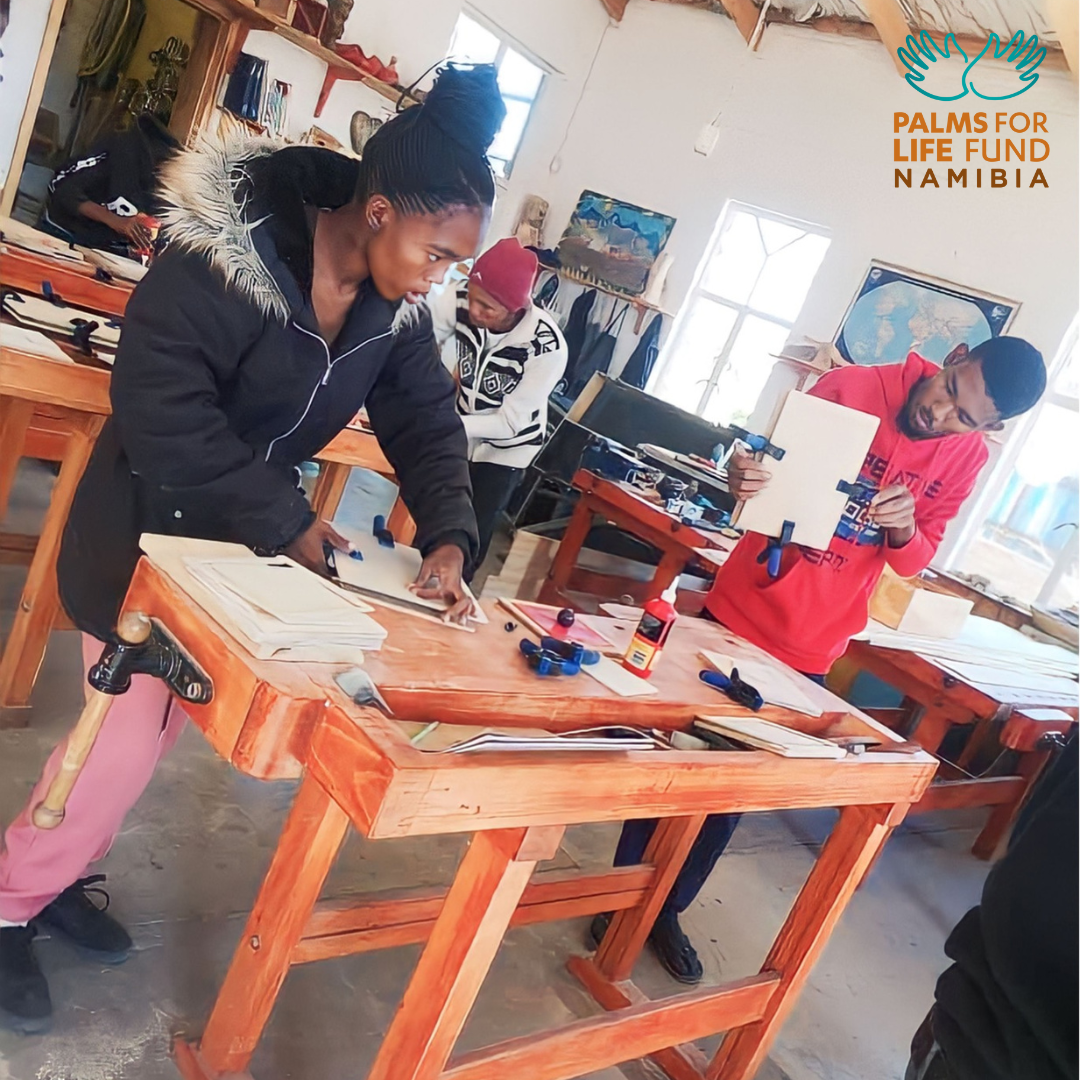
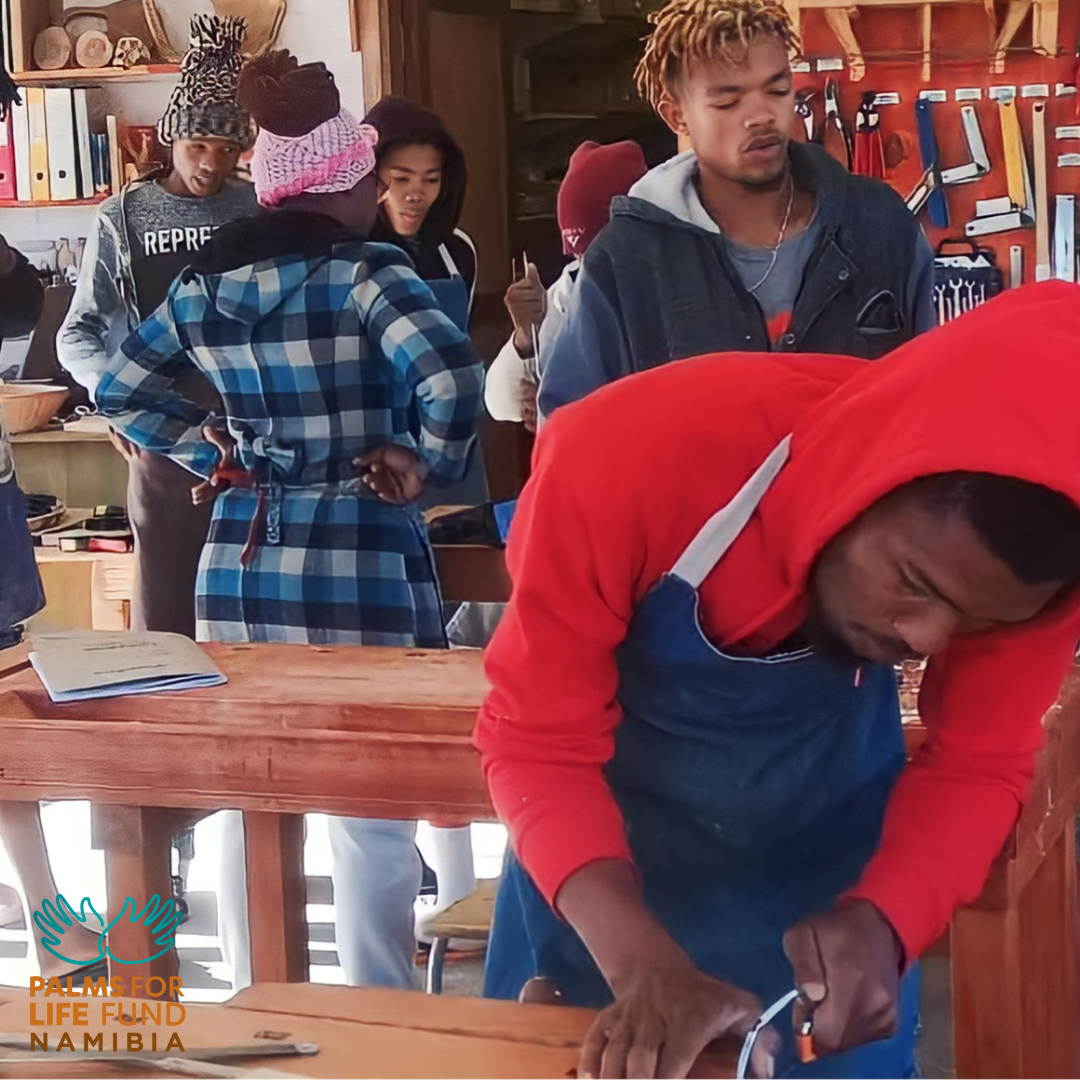
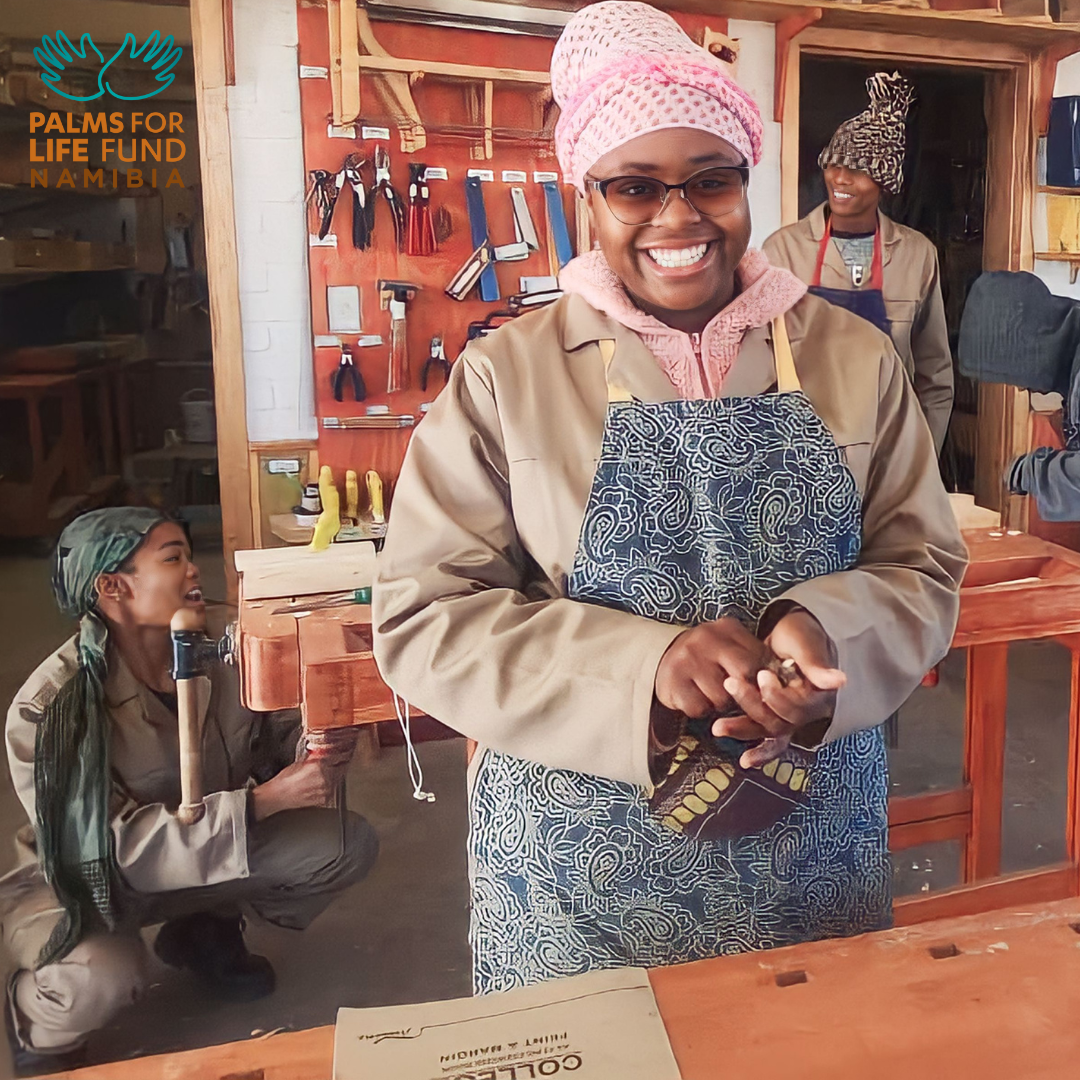
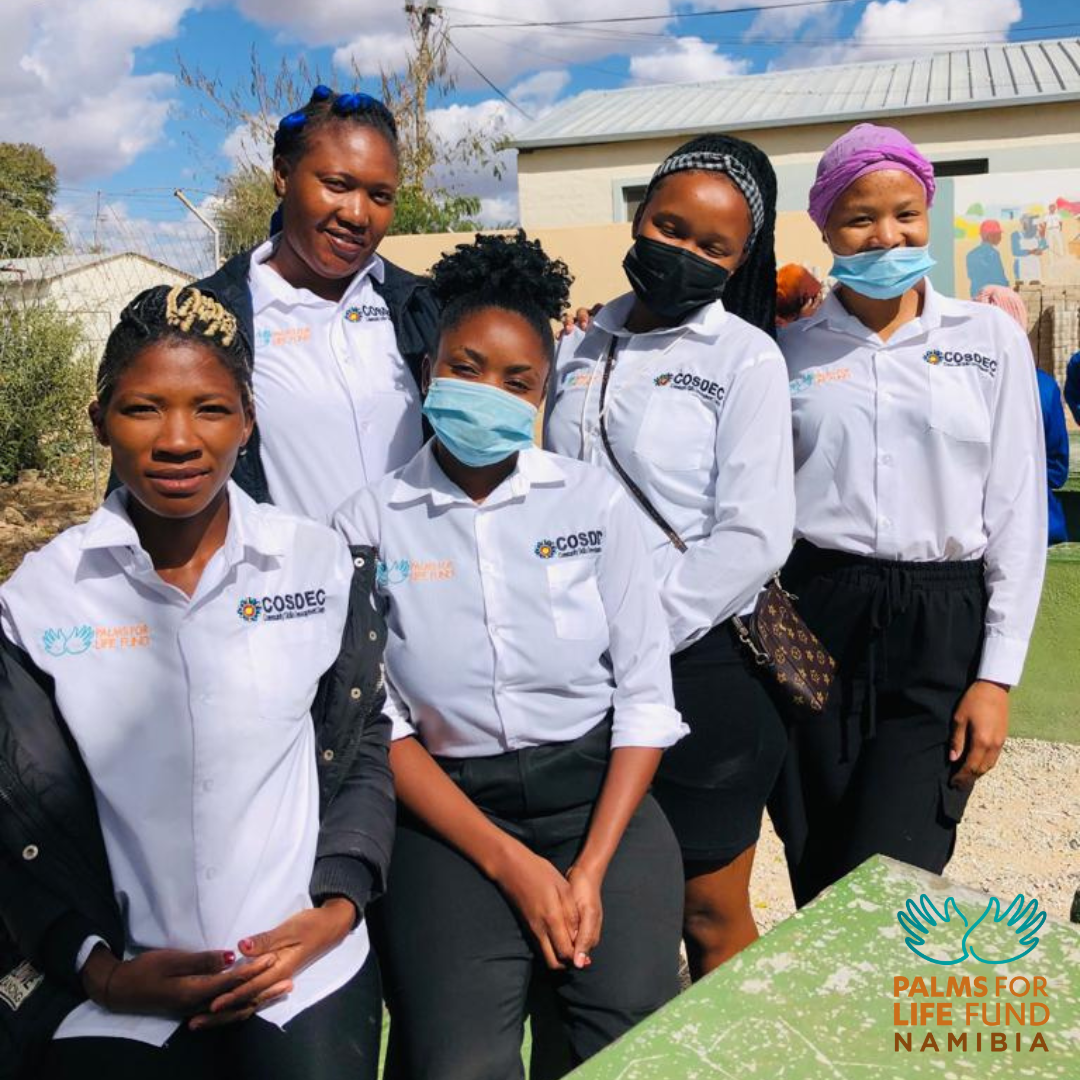
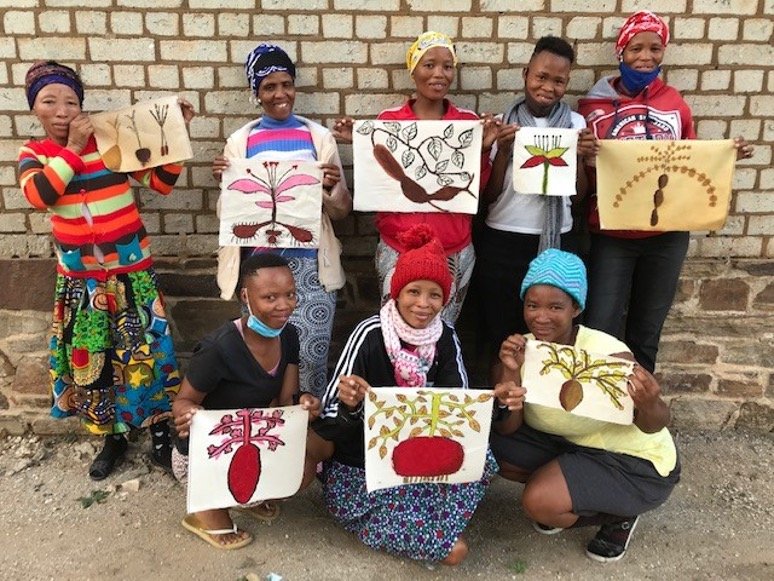
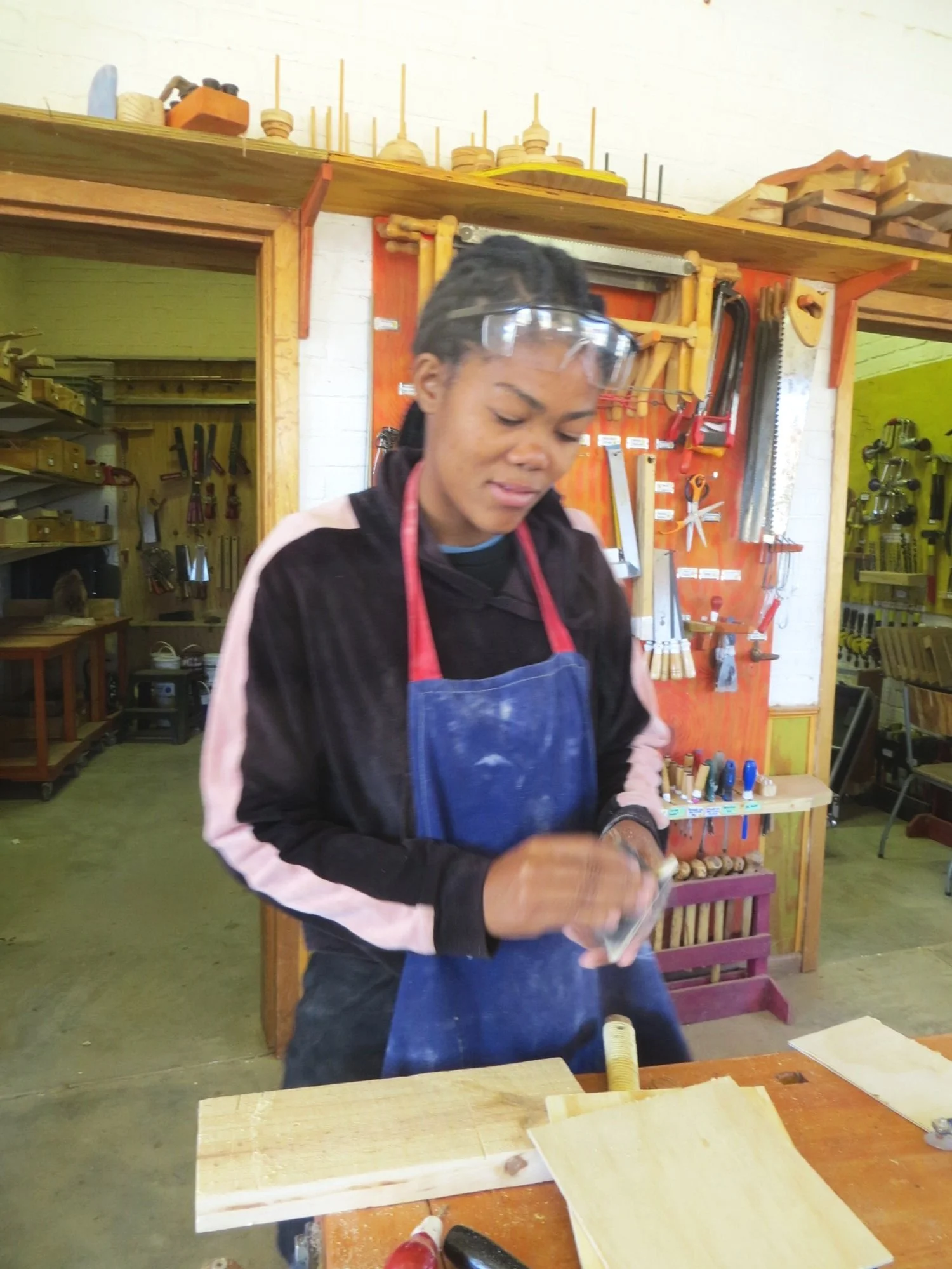
COSDEC partnership: 441 learners currently enrolled in Namibia’s largest San-focused vocational training initiative — 197 set to graduate; 6 social workers providing ongoing support
Program includes a preparatory TVET course, skills training, and internship placements where available
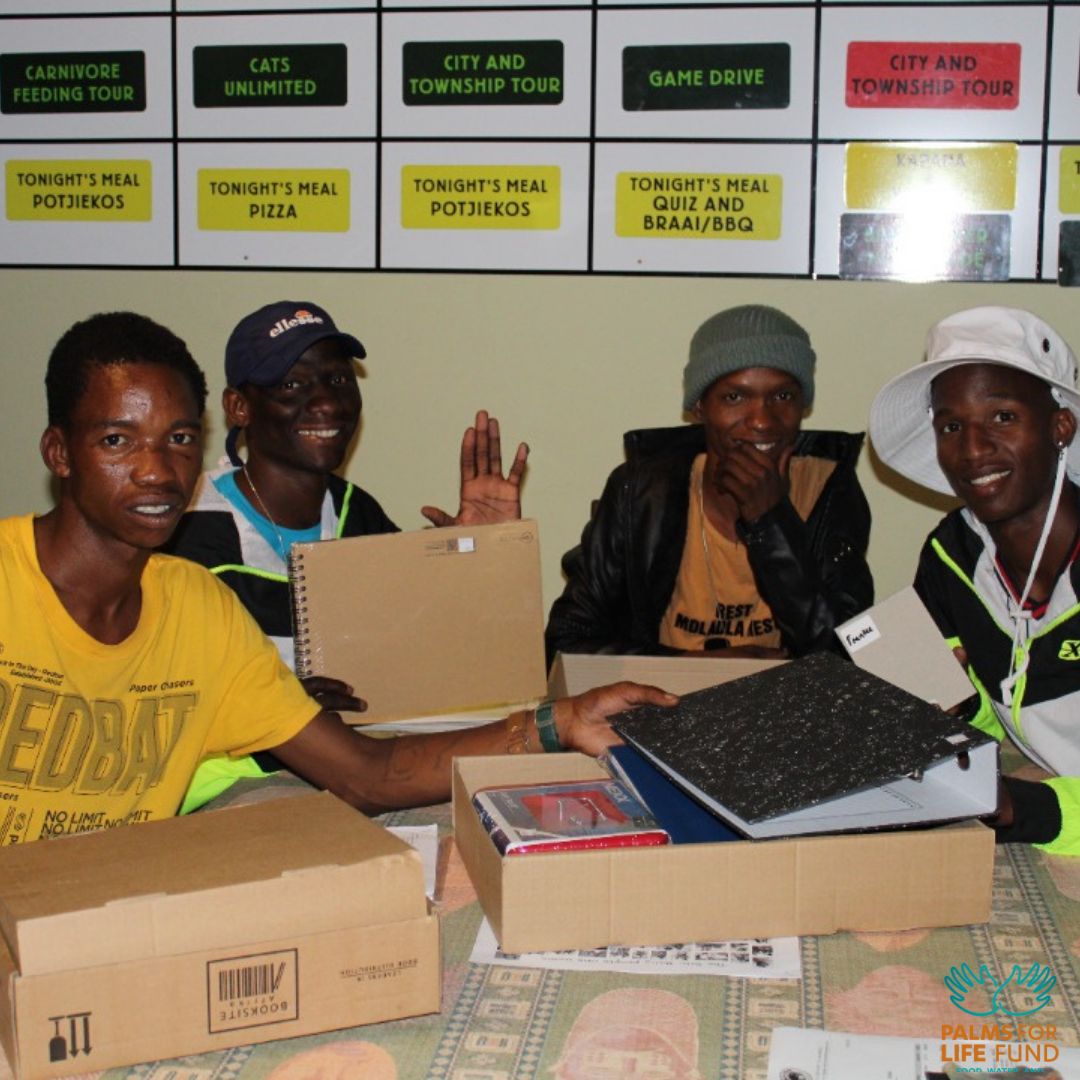
Hospitality and tourism training: 20 youth enrolled, 12 on active internships
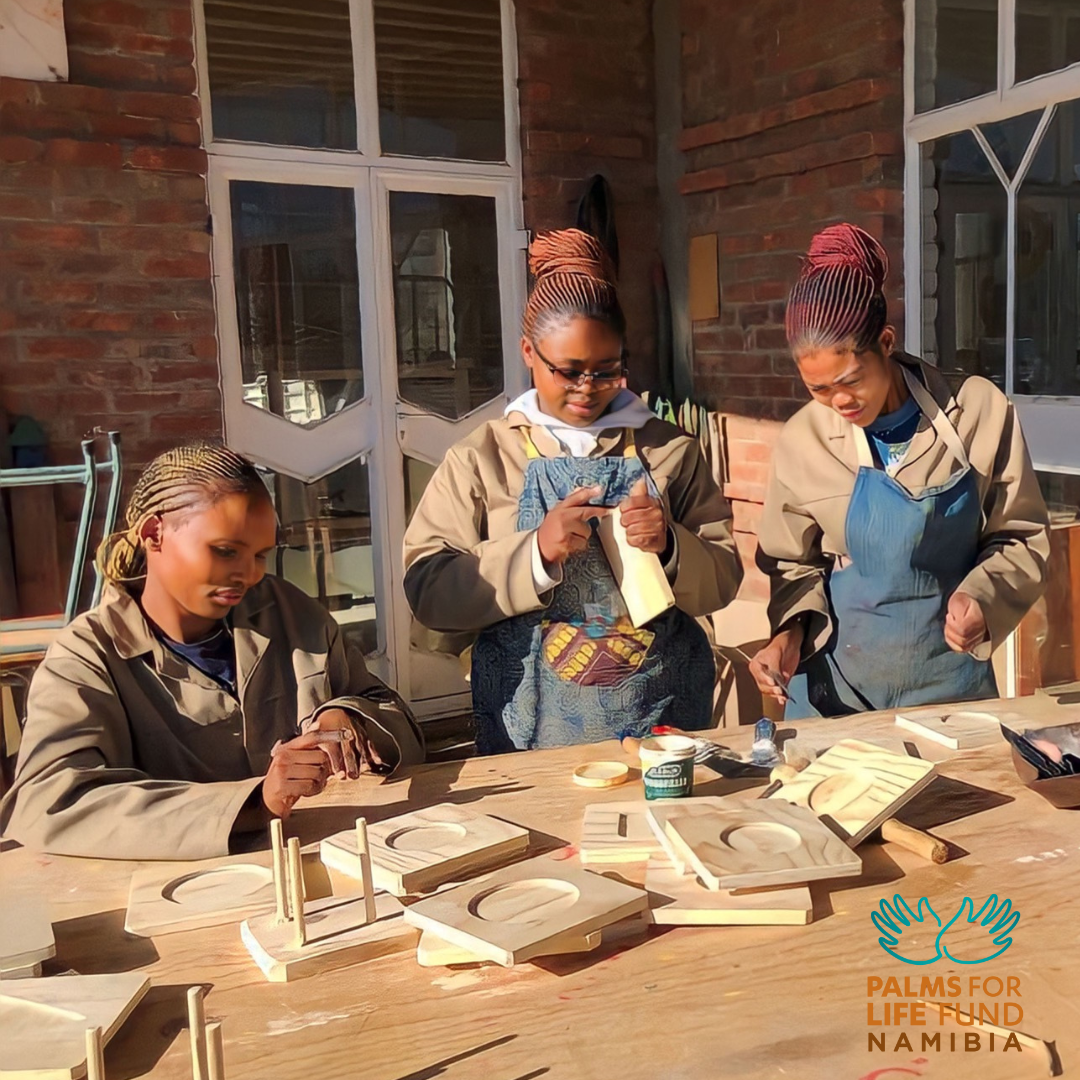
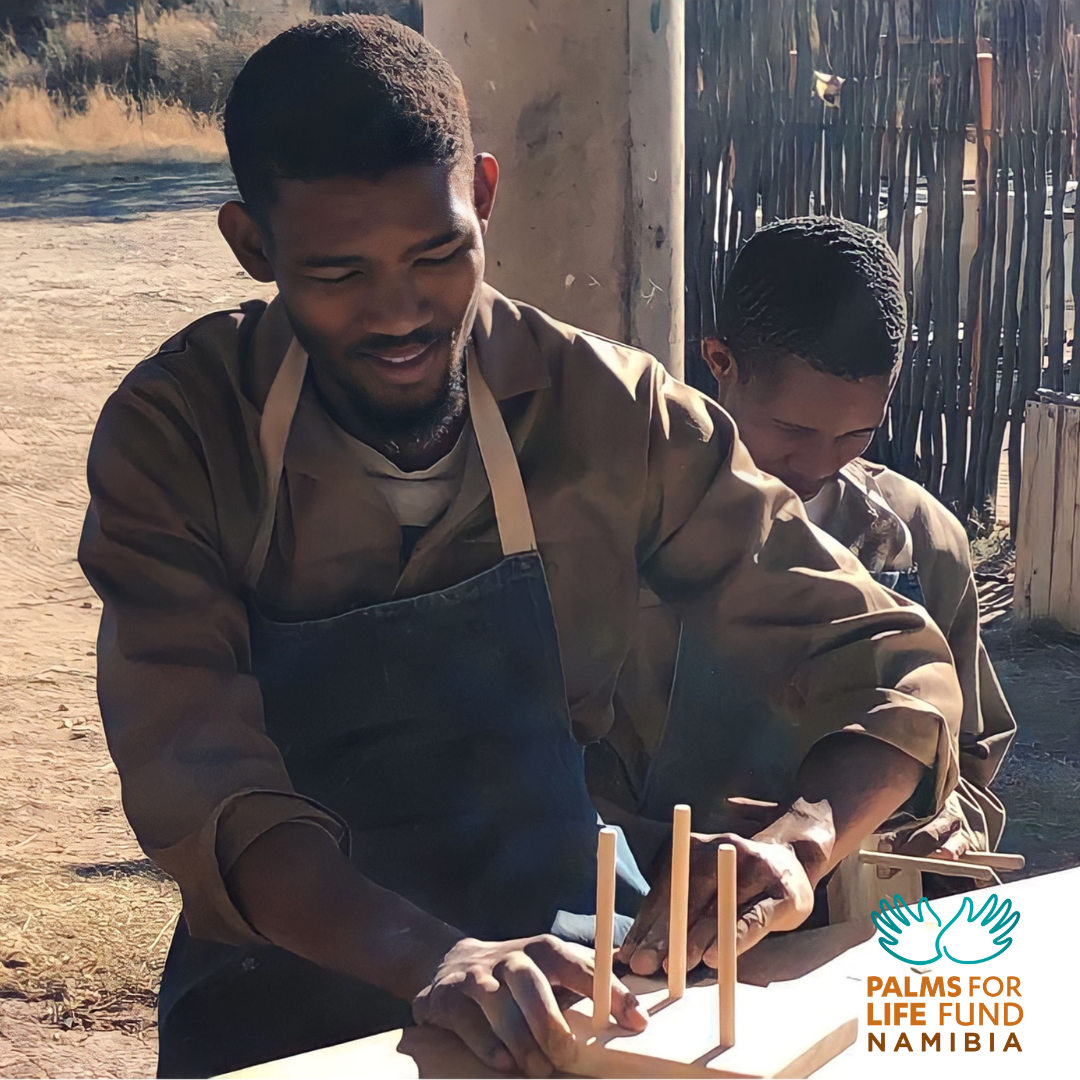
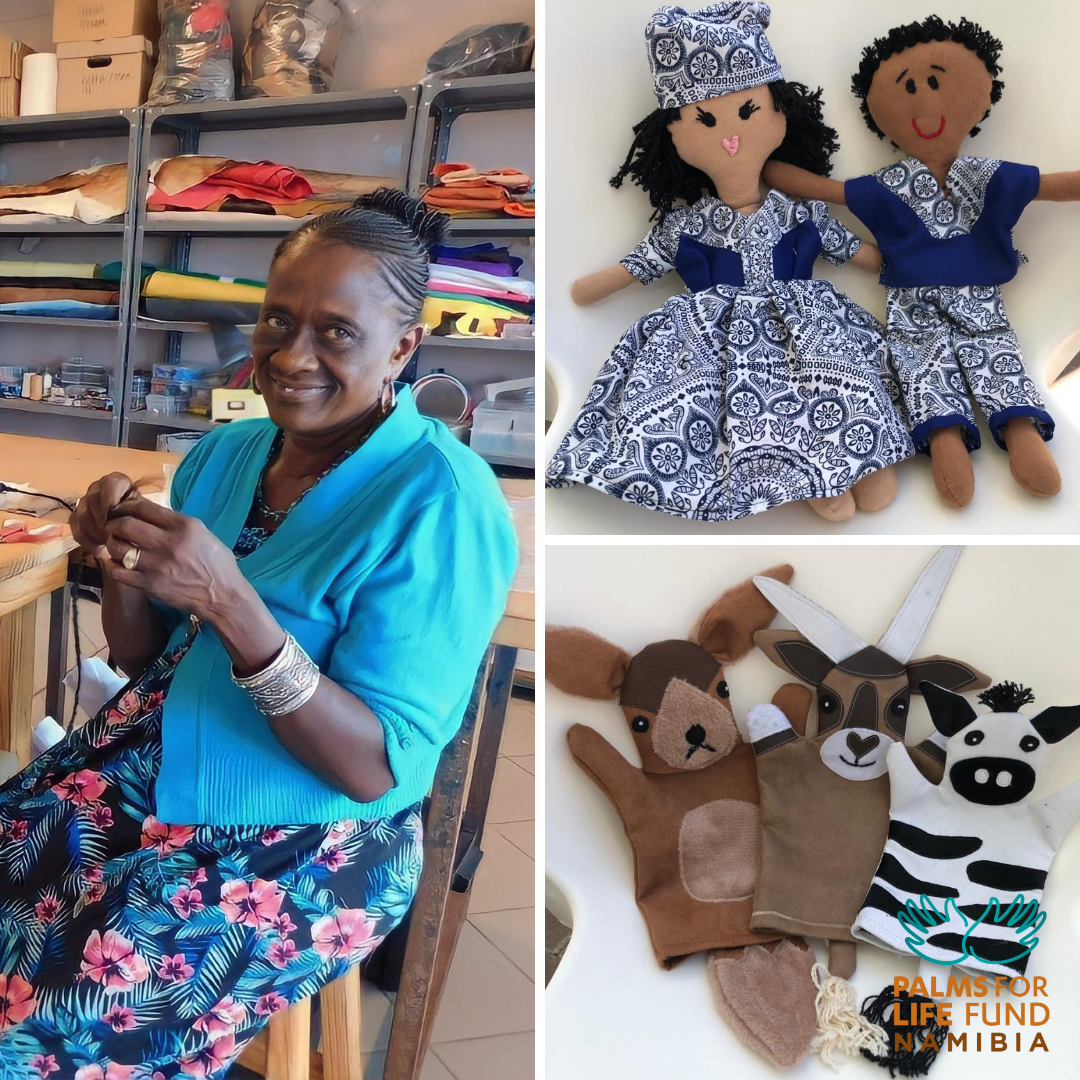
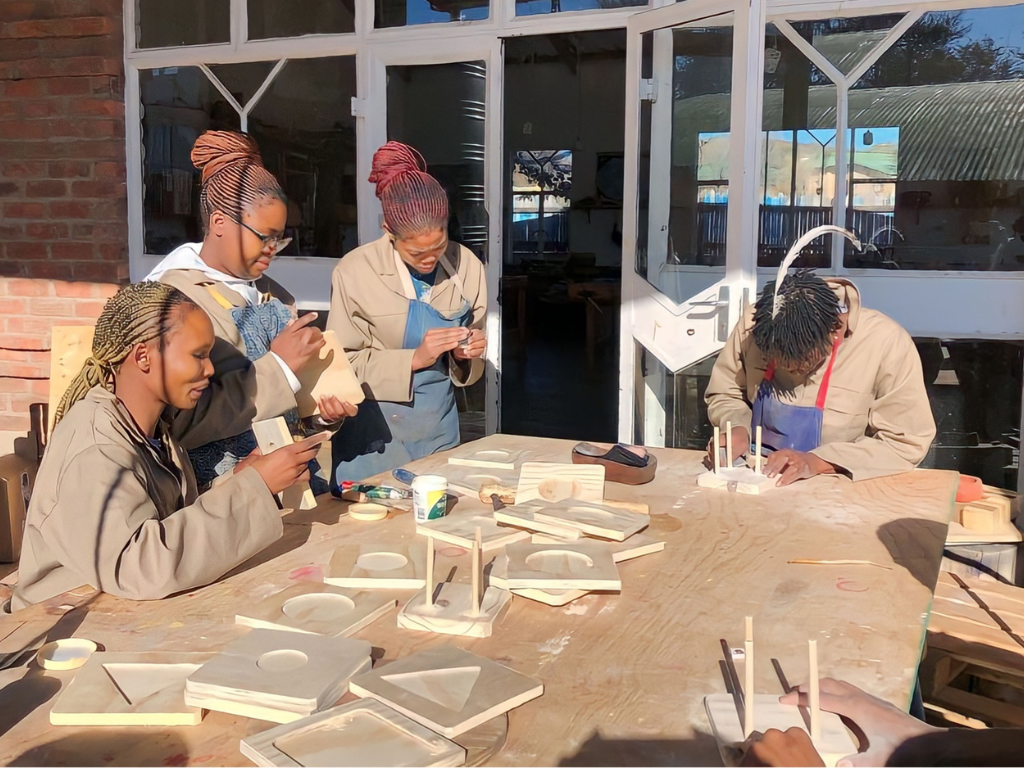
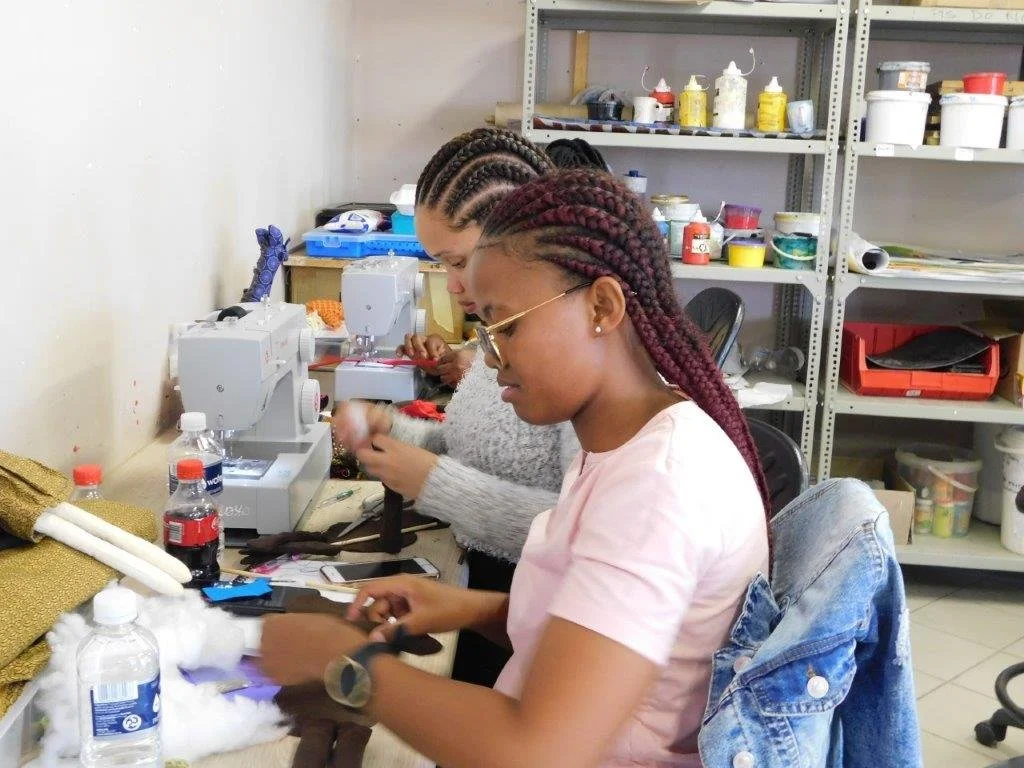
Educational toy production: San youth in Tsintsabis trained to manufacture toys for ECD centers nationwide
2 primary schools renovated (Mashambo and Seringkop) to strengthen the ECD-to-primary transition
COSDEC program transitioning to the Division of Marginalized Communities / National Training Authority in 2026 — a planned handover that reflects the program’s national sustainability model
-
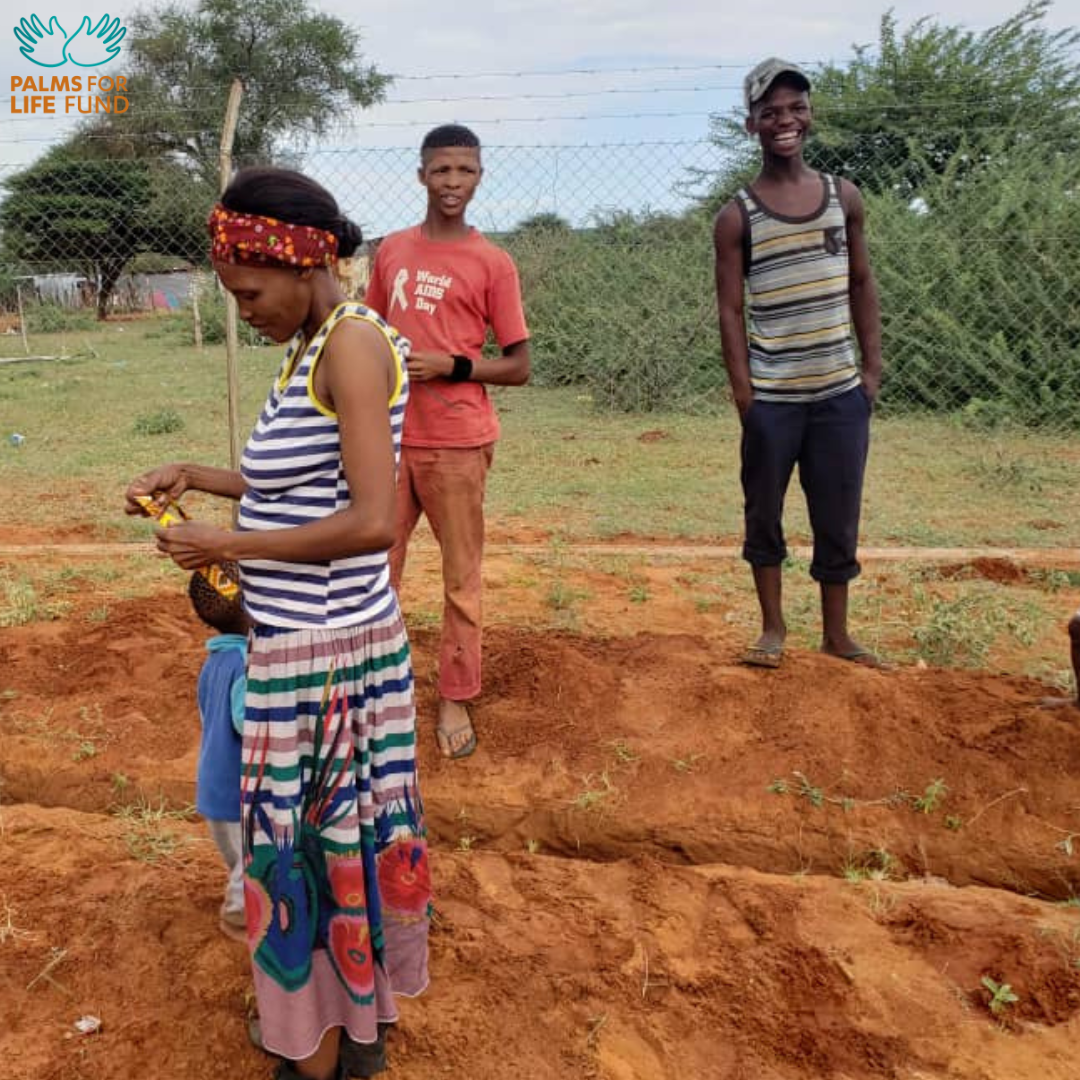
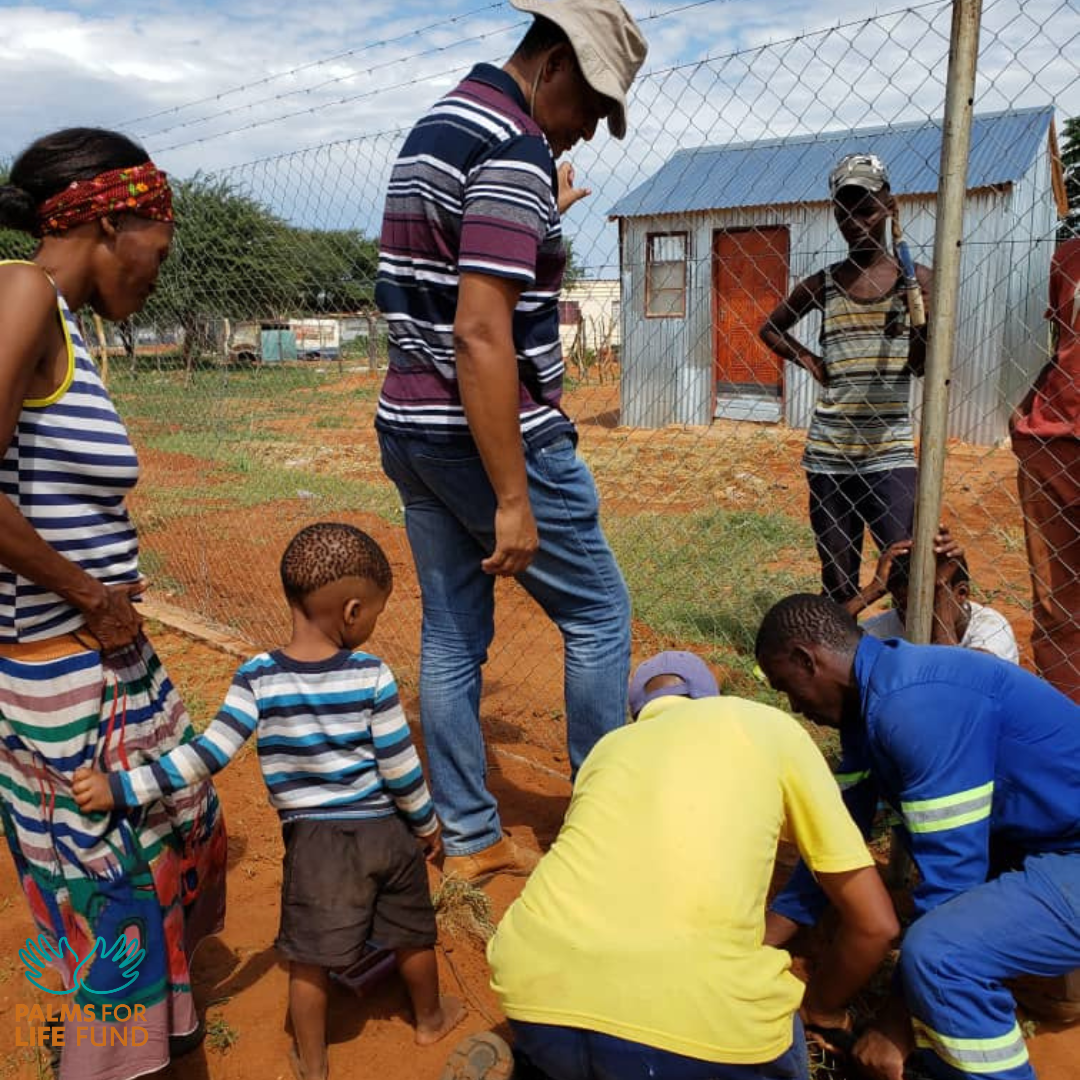
6 ECD gardens harvesting vegetables (onions, cabbage, carrots, spinach, beetroot) — supplementing daily meals for 400+ children
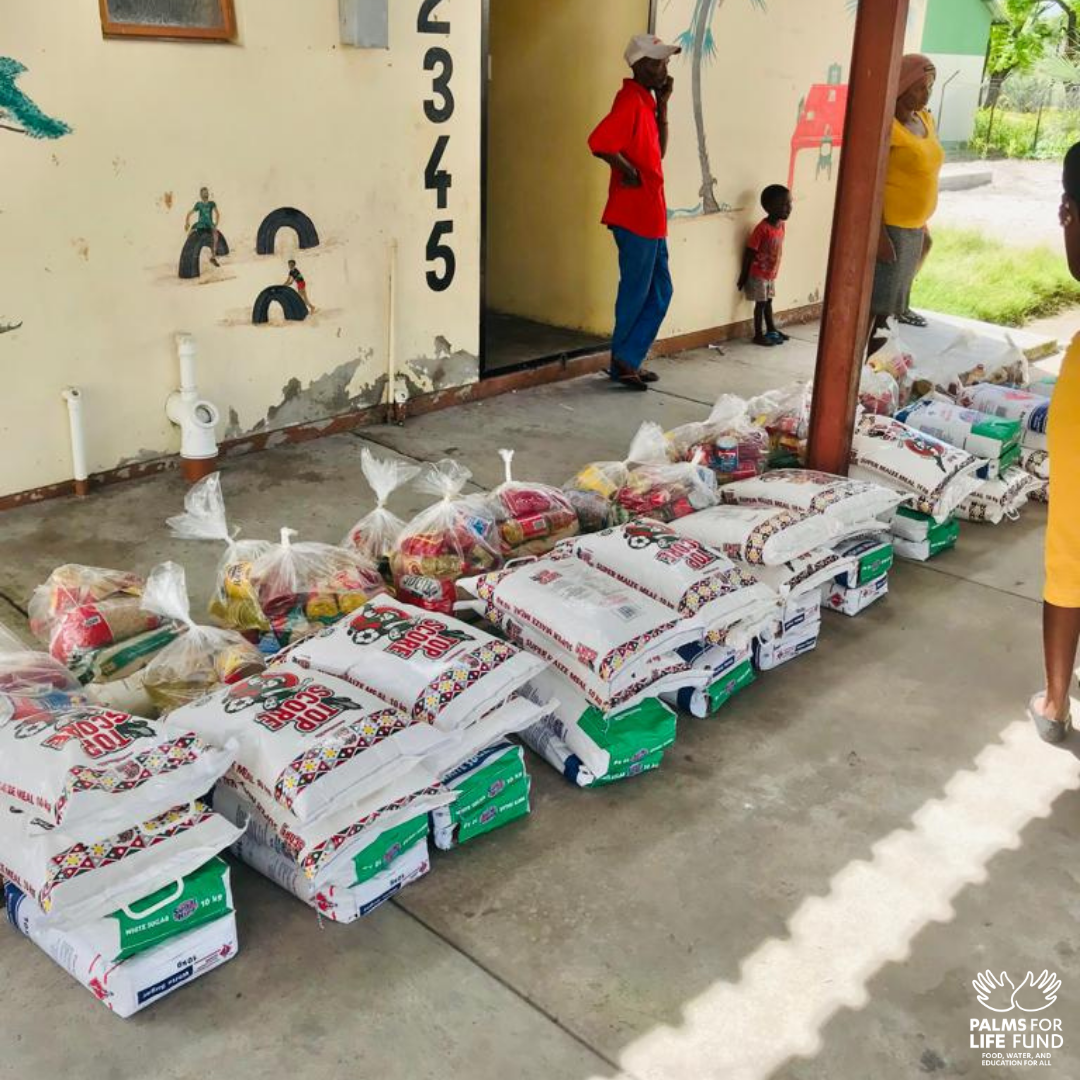
Emergency food relief: 2,200+ households and clinic patients supported across Omaheke and Tsumkwe
Omaheke consortium providing monthly food parcels for malnourished children discharged from hospitals
Tsumkwe: monthly food parcels supporting approximately 170 TB patients
-
Internet installed at 9 ECD centers and 8 schools via Wanderport partnership
Interactive learning devices deployed at connected centers
PFL managing technical oversight as government works toward long-term sustainability
-
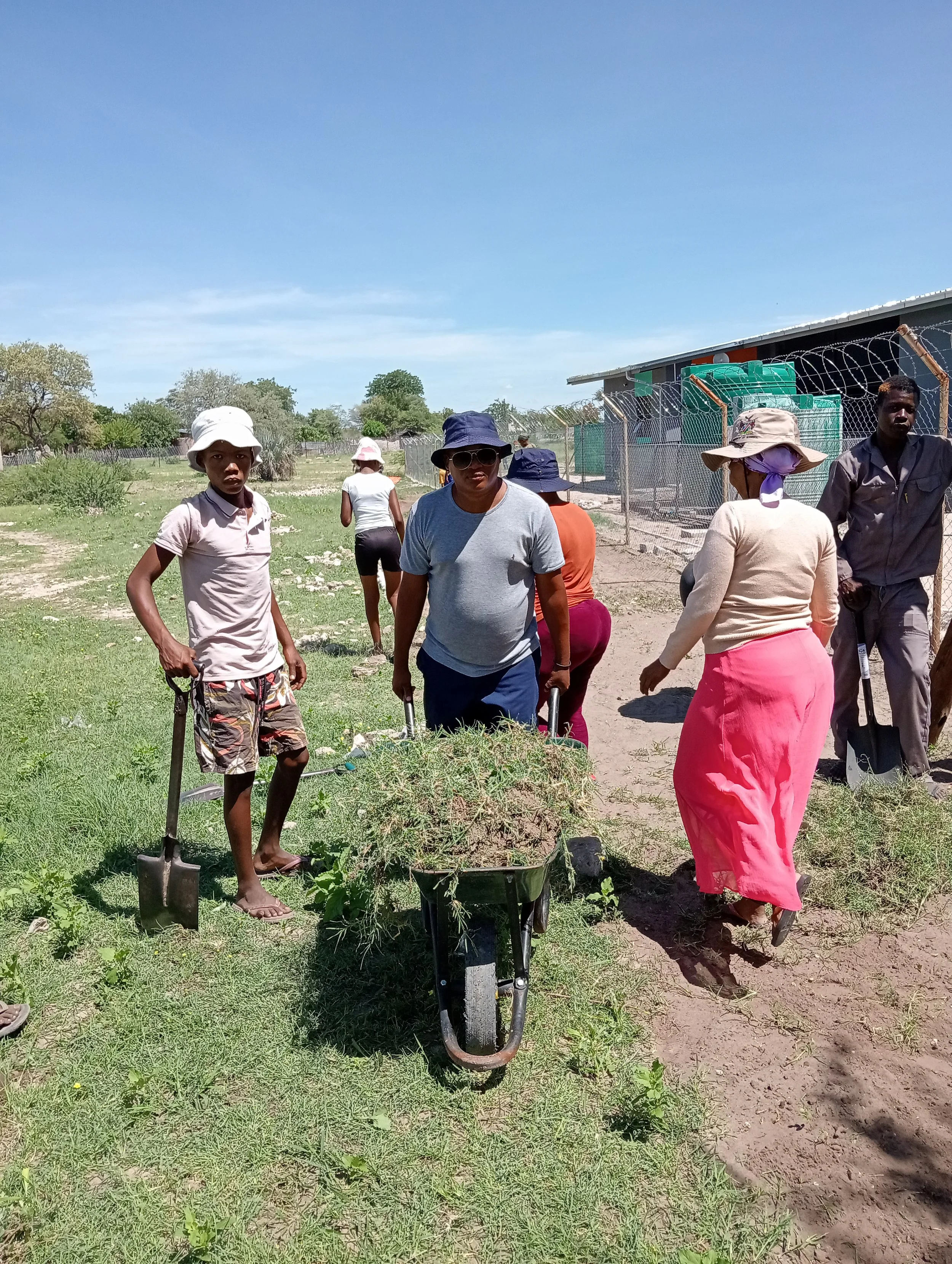
Tsumkwe Clean-Up Campaign: youth employed through a food-for-work model, improving community environmental health; expanded to include youth sports teams and local partnerships
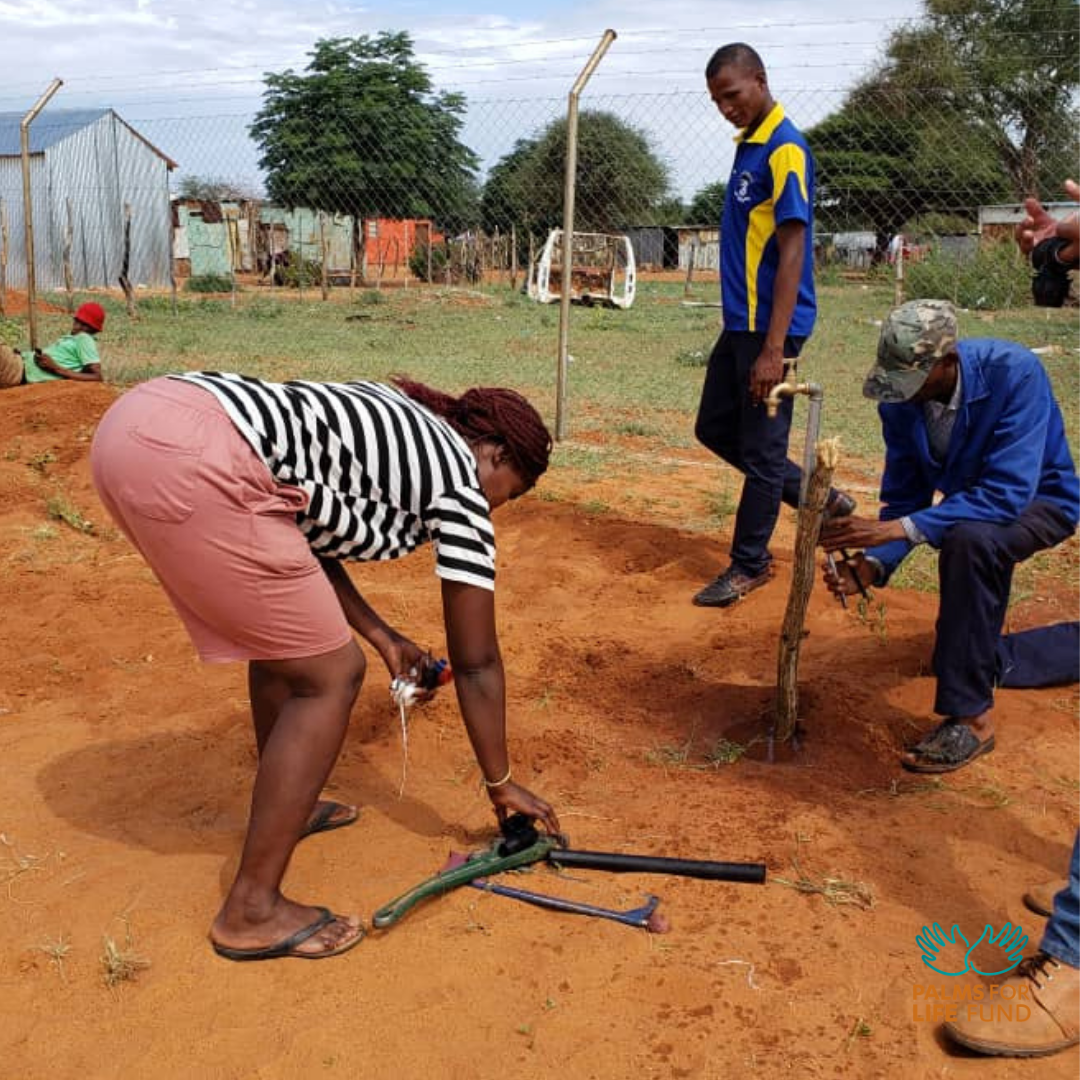
Water quality assessments completed at 12 ECD centers; samples submitted for laboratory analysis to inform targeted interventions
Alcohol and substance harm reduction embedded across all programs as a behavioral commitment standard
-
UNESCO collaboration: Action Plan developed to promote mother tongue and indigenous language learning materials, contributing to the International Decade of Indigenous Languages
Mother tongue instruction embedded at all ECD centers as standard practice
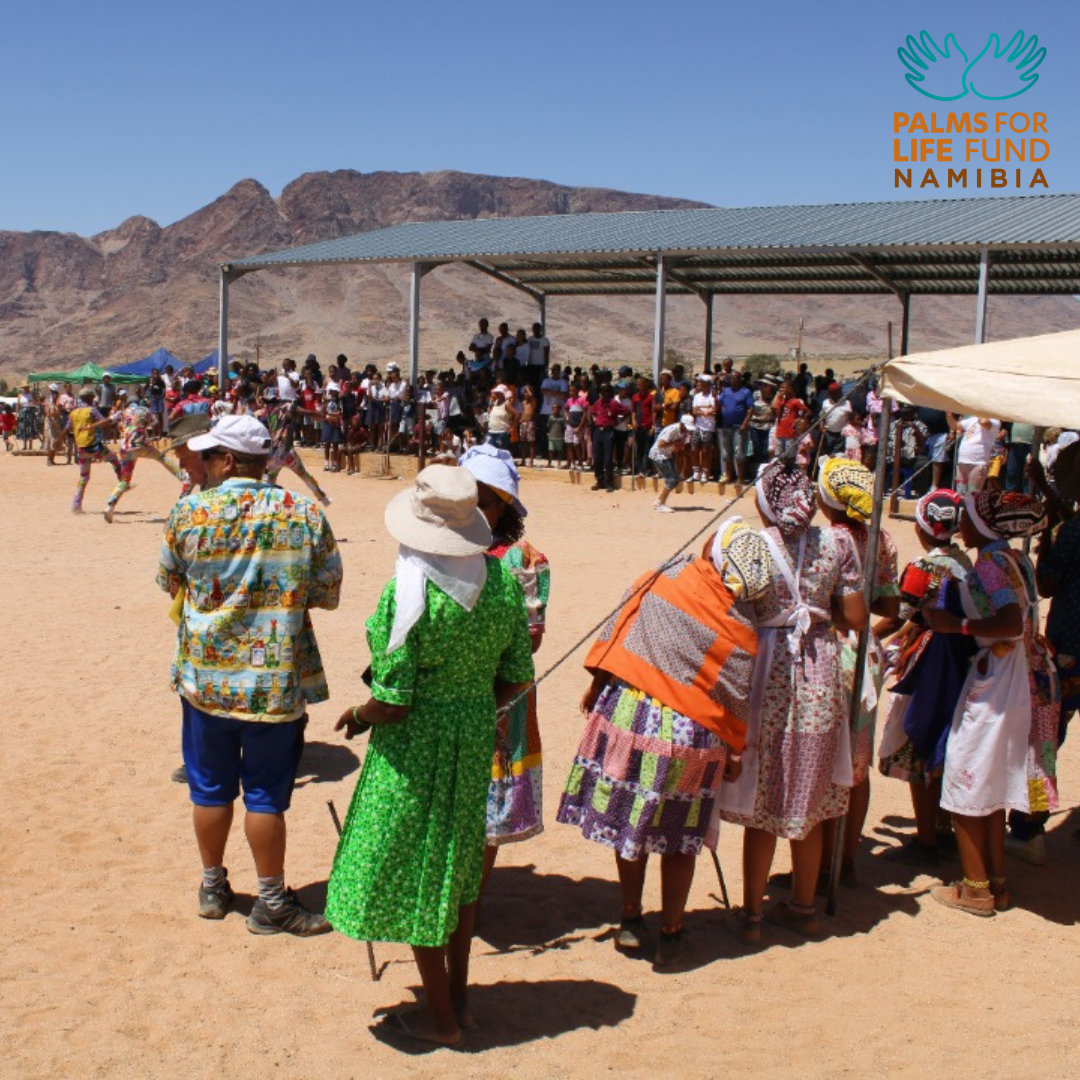
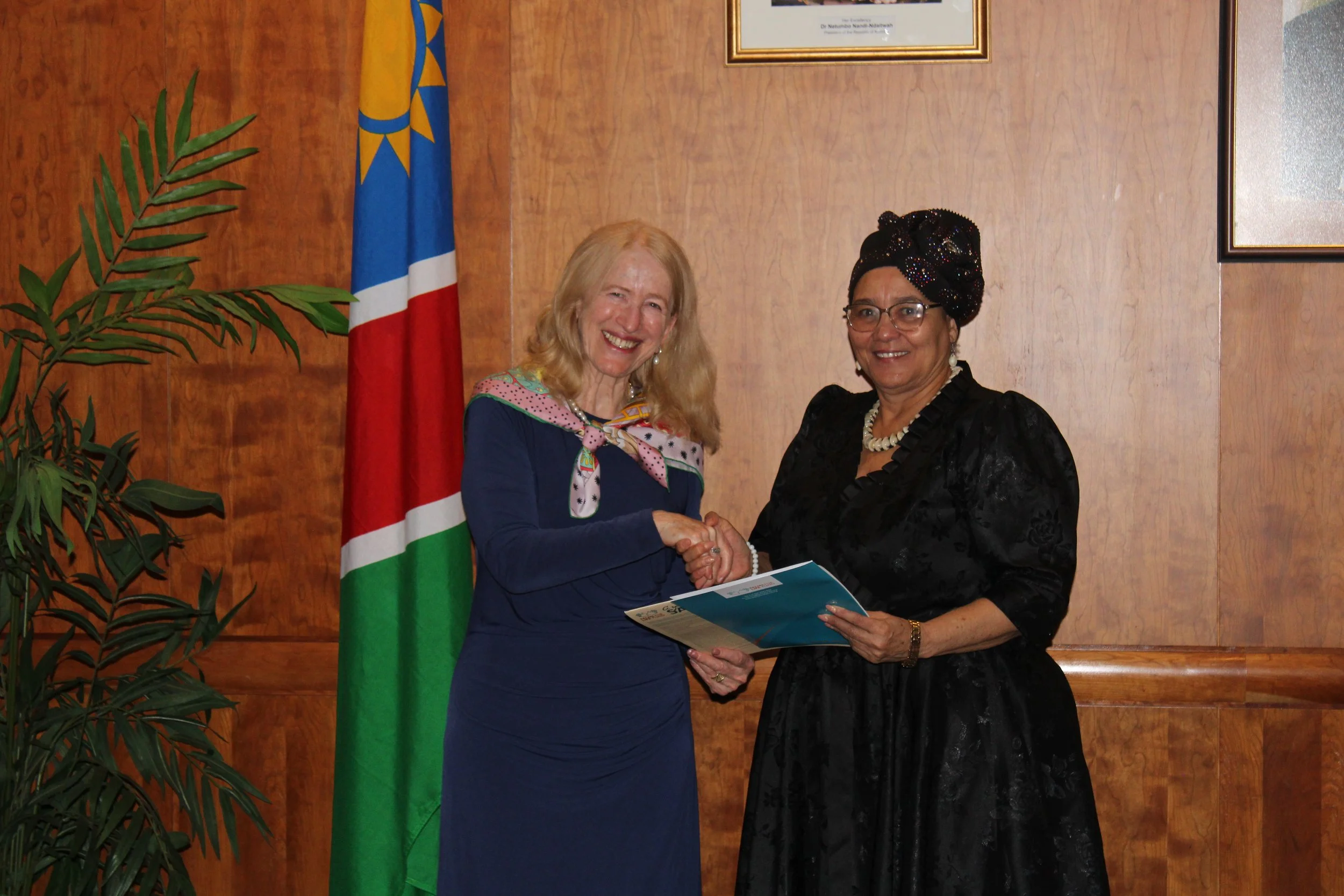
World Indigenous Peoples’ Day contributions in partnership with the Ministry of Gender and Division of Marginalized Communities
Measurable Results
-
$12M+
invested in Namibia since 2019
-
10
ECD centers fully operational
-
800+
children served daily across centers
-
441
vocational training learners currently enrolled via COSDEC
-
2,200+
households reached with food relief
-
9 ECDs + 8 schools
connected to internet via Wanderport
-
400+
children receiving supplemental nutrition from ECD gardens
-
200+
parents completing adult education classes at ECD centers
Local Leadership
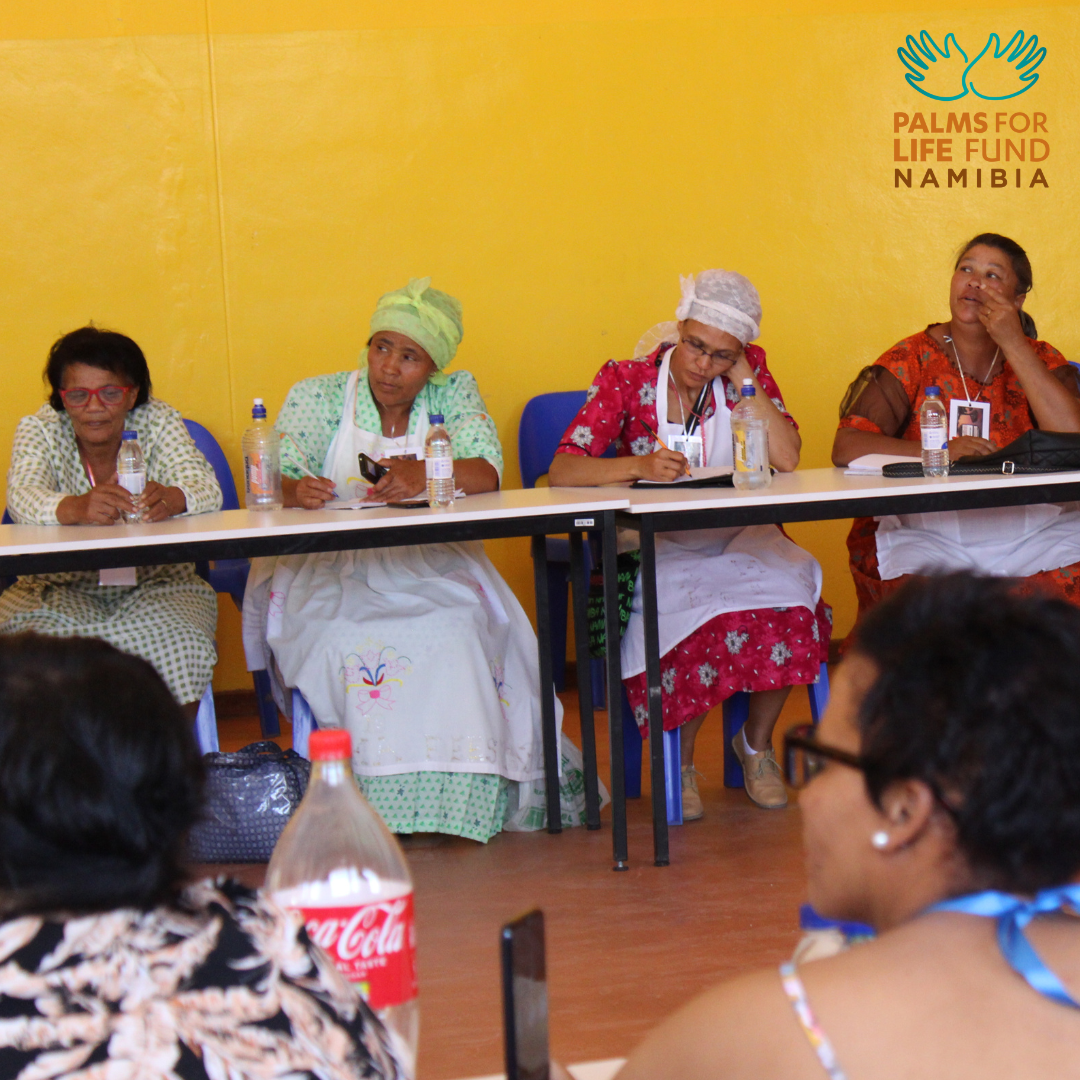
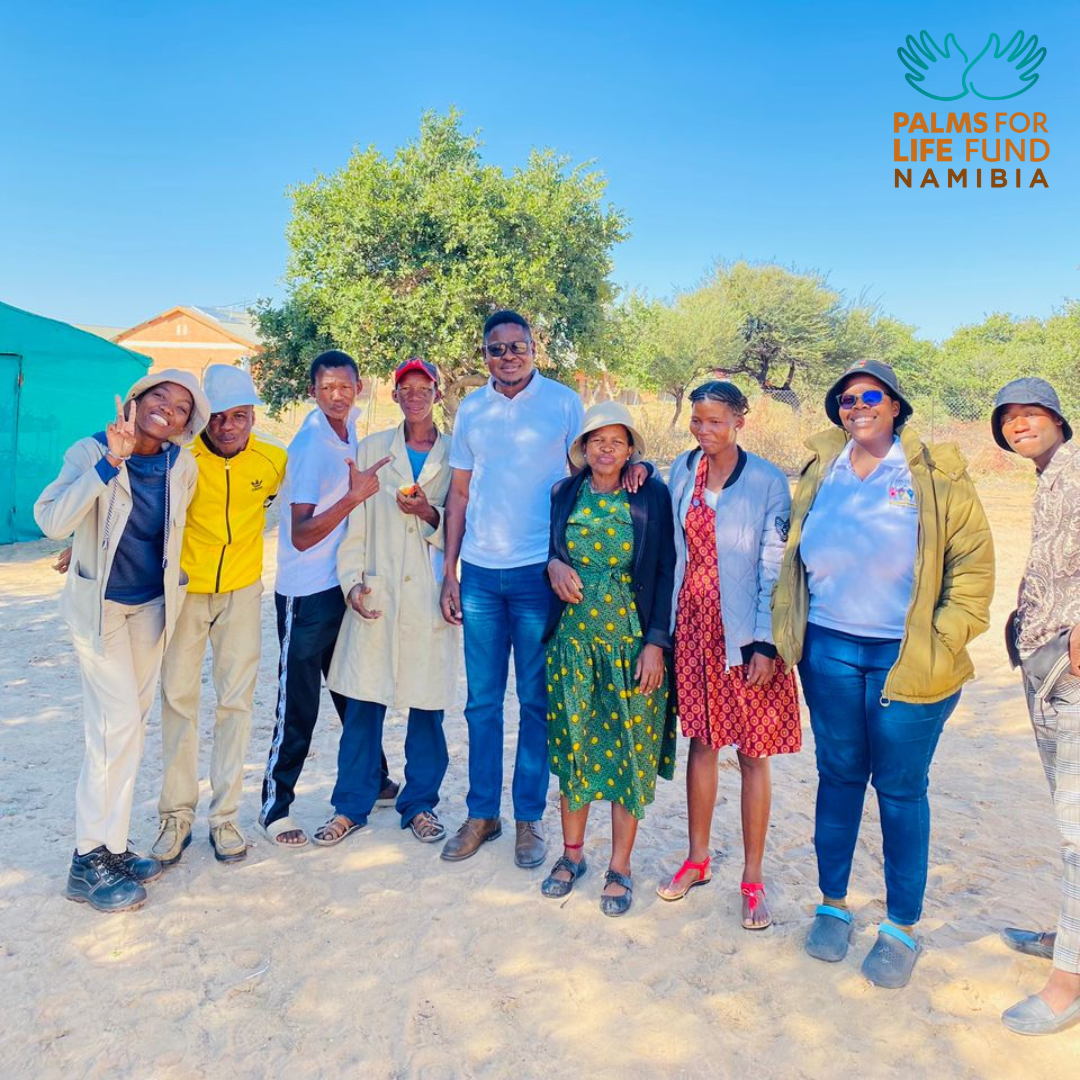
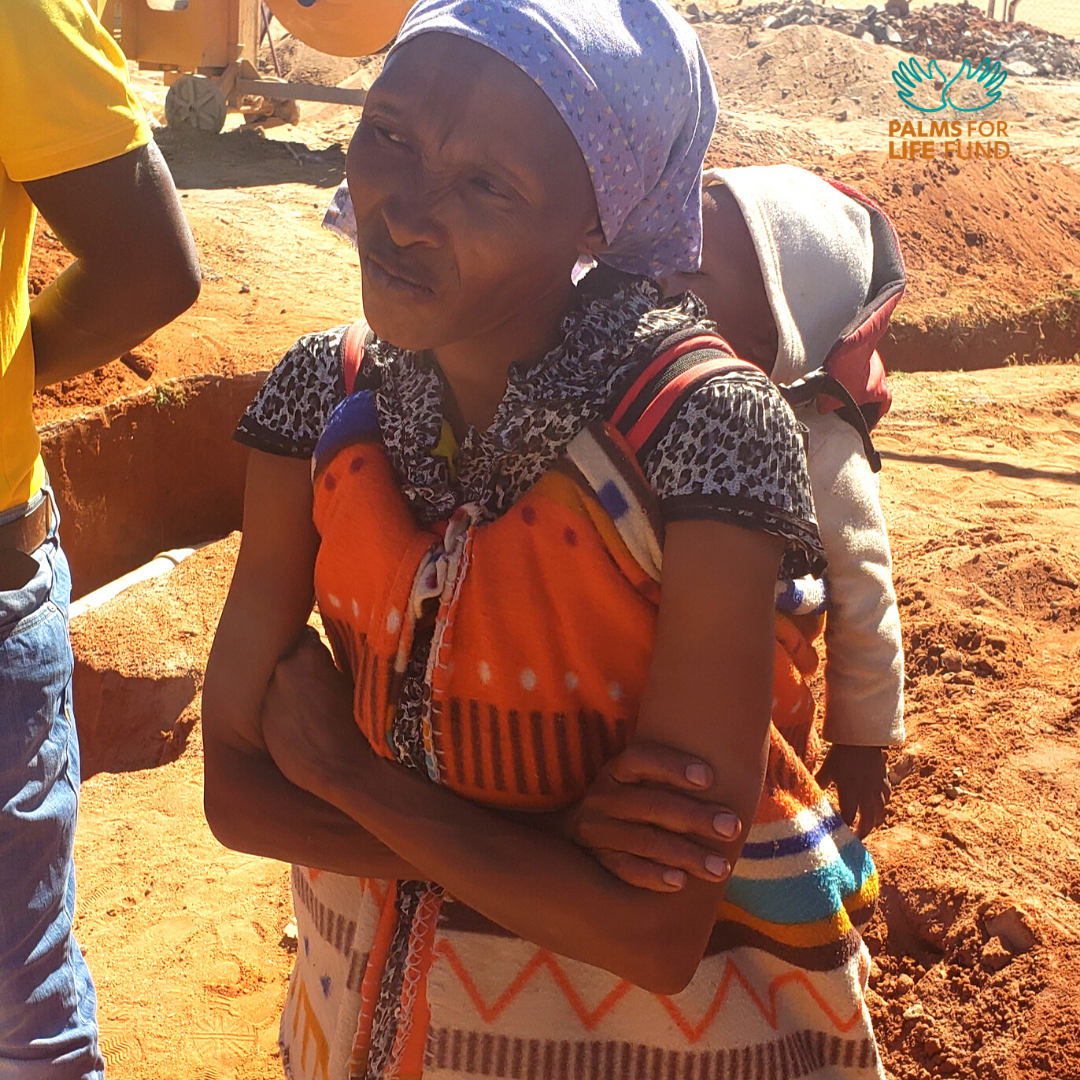
PFL's Namibia program is one of the most locally embedded in the region. Coordinators, ECD staff, teachers, and community workers are drawn from the communities they serve. The Namibia team manages 10 active centers, a major vocational training pipeline, food security interventions, and government partnership coordination across six regions.

Kingston Makoni
Country Coordinator, Namibia
Oversees PFL's Namibia operations across Kavango, Omaheke, Oshikoto, Otjozondjupa, and Omusati regions, managing ECD centers, vocational training programs, and government partnerships.