Our Work in South Africa
Palms for Life Fund works with three distinct communities in South Africa’s Northern Cape and leads one of the few active efforts to preserve N|uu before it is lost entirely.
Introduction
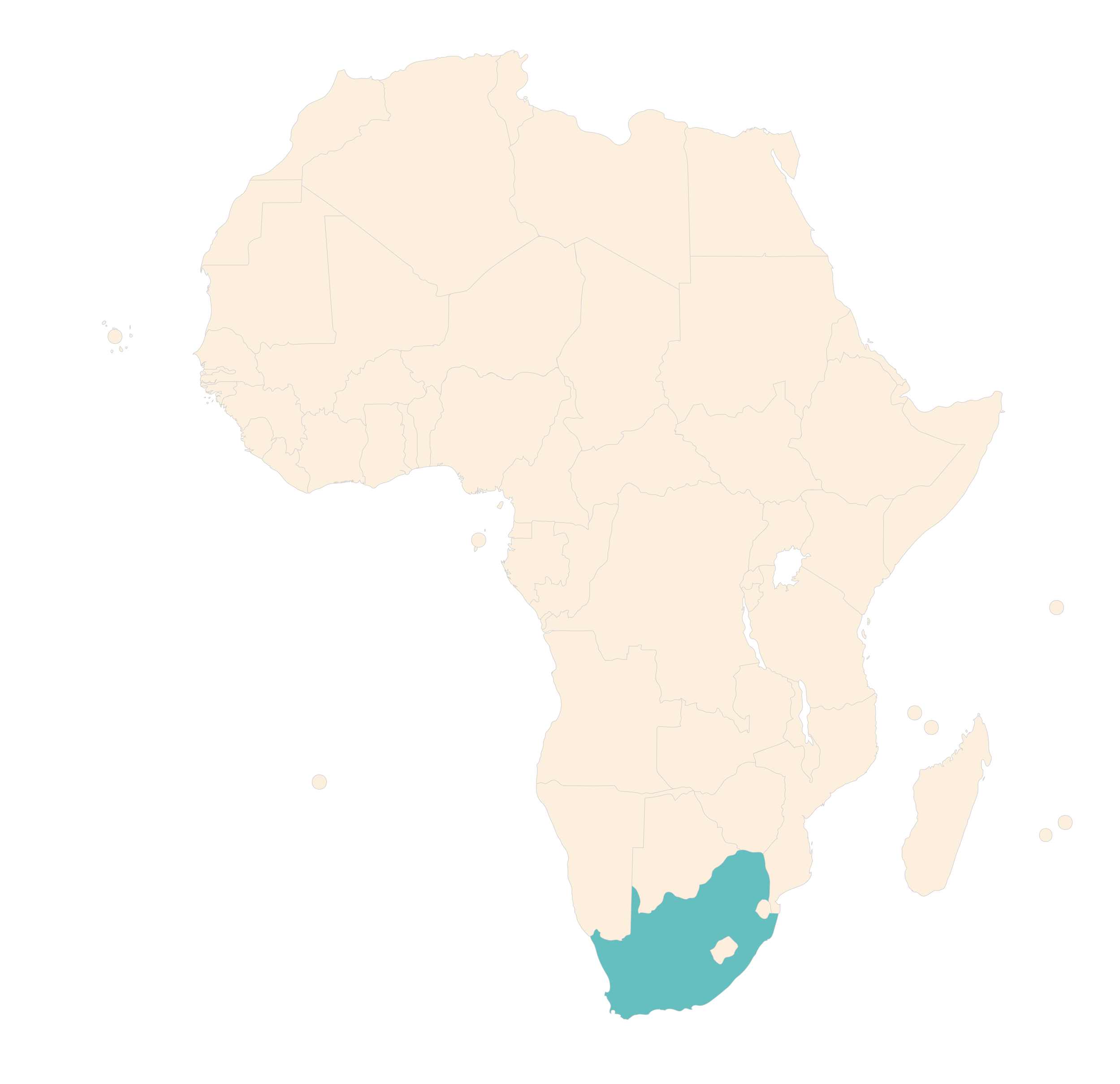
PFL’s South Africa program operates across three geographically and historically distinct communities in the Northern Cape. Each has its own land rights history, its own language, and its own relationship with government. What they share is a common experience: rights recognized on paper, but services and investment that have not followed.
1. Andriesvale: ‖Khomani Sa
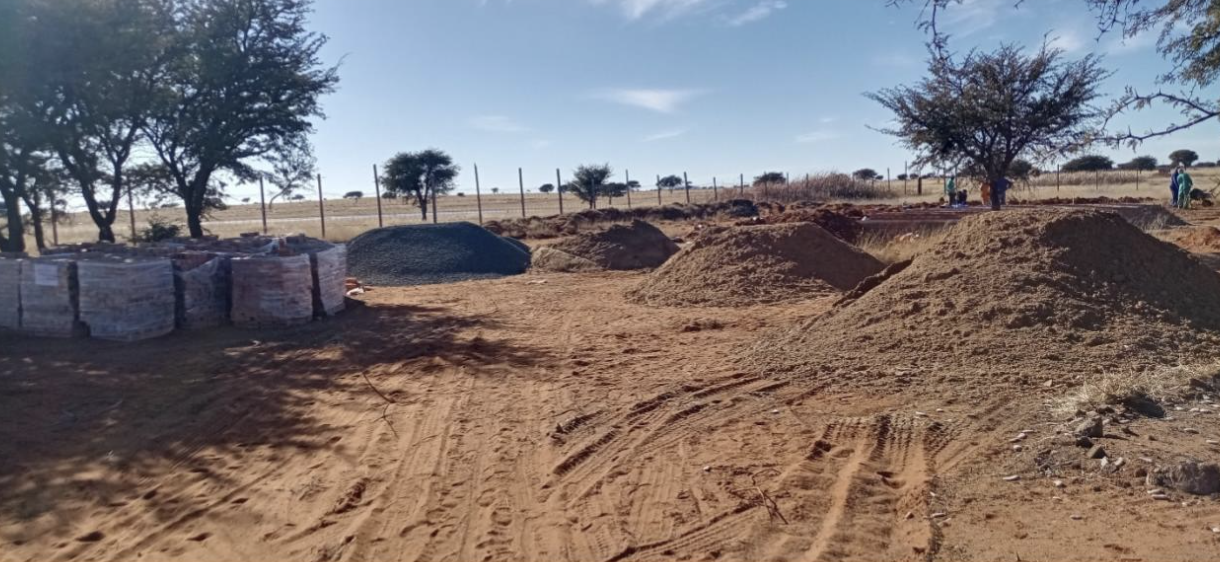
The ‖Khomani San were expelled from their ancestral territory when the Kgalagadi Transfrontier Park was established in 1931, and forcibly removed in the 1970s. A landmark land claim, settled in 1999, restored title to the surviving claimants — but the land falls entirely outside municipal jurisdiction. Government provides almost no services or infrastructure here. Roads are sand. Most homes have no electricity. NGOs and community structures carry the weight that public institutions do not. PFL began working in Andriesvale in 2023, building from the ground up.
2. Platfontein: !Xun and Khwe
Platfontein, 15 kilometers outside Kimberley, is the largest San township in Southern Africa — home to approximately 10,000 people and growing. It is home to two distinct San communities: the !Xun, who make up roughly 60% of the population, and the Khwe, roughly 40%. Each has its own language — !Xuntali and Khwedam respectively — and its own cultural identity. The two groups are unrelated and come from different regions of Namibia and Angola, brought together by a shared history of forced relocation after fighting alongside the South African Defence Force during the Namibia War of Independence. Approximately 70% of social services in Platfontein are delivered by NGOs; government provision is limited, and long-standing political sensitivities tied to that history shape the relationship to this day. PFL has invested significant time in trust-building and understanding the socio-political complexity before and during its program work here.
3. Richtersveld: Nama
The Richtersveld is a remote desert region in the Northern Cape, home to the Nama people, who reclaimed communal title to their ancestral lands in 2002 — one of the significant land restitution victories in South Africa’s post-apartheid era. The Richtersveld comprises six towns: Port Nolloth, Alexander Bay, Koeboes, Sanddrift, Lekkersing, and Eksteenfontein, with over 5,600 households. Despite the land win, communities remain severely under-resourced: youth unemployment exceeds 40%, infrastructure is limited, and the Nama language — still spoken by older generations — is not taught in schools and is at risk of generational loss.
Active Program Areas
-
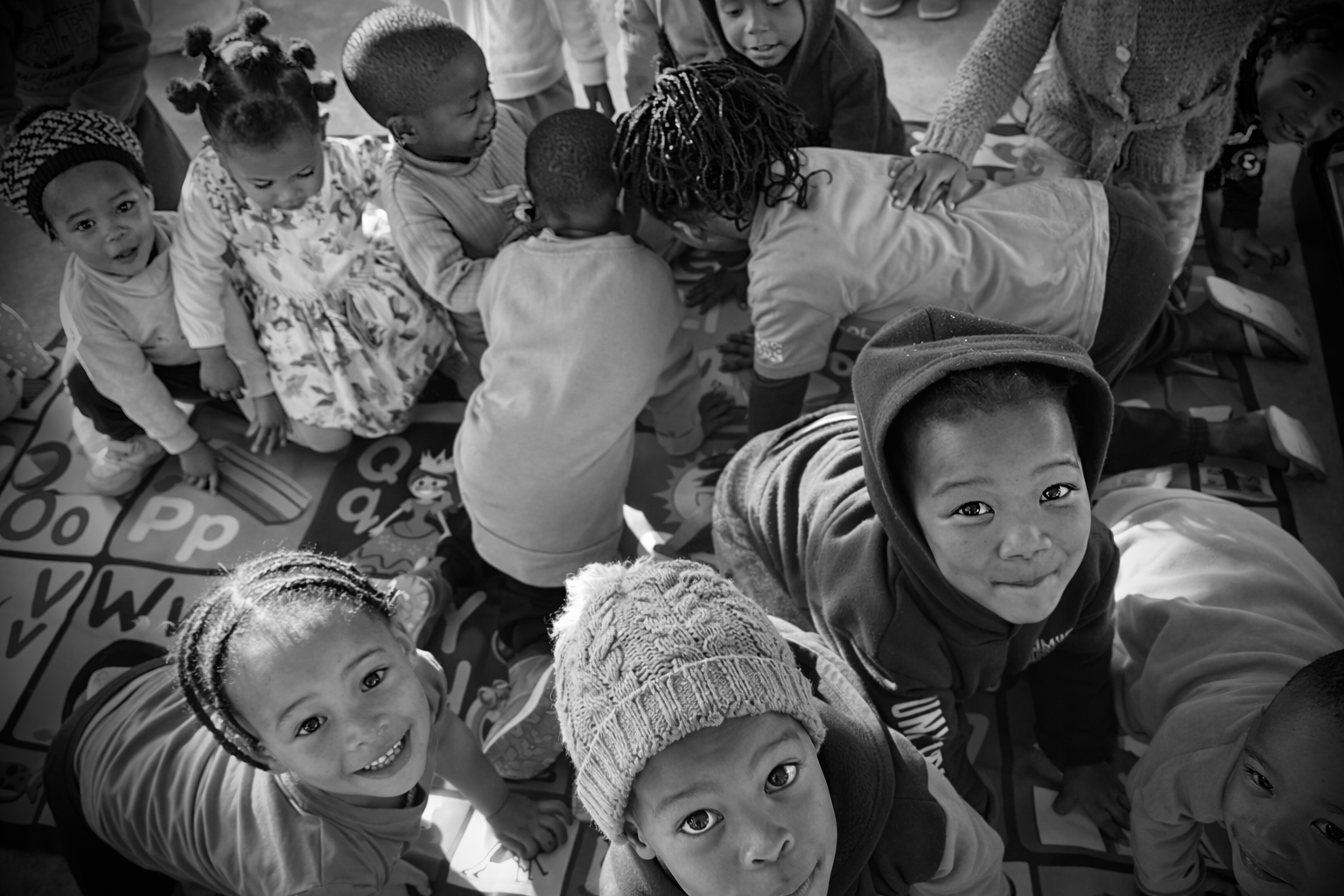
Platfontein: !Xunkhwesa ECD Centre opened October 2025 — 160 children enrolled, named jointly by !Xun and Khwe communities; practitioners employed through government ECD subsidies and the Northern Cape Department of Education
Richtersveld:
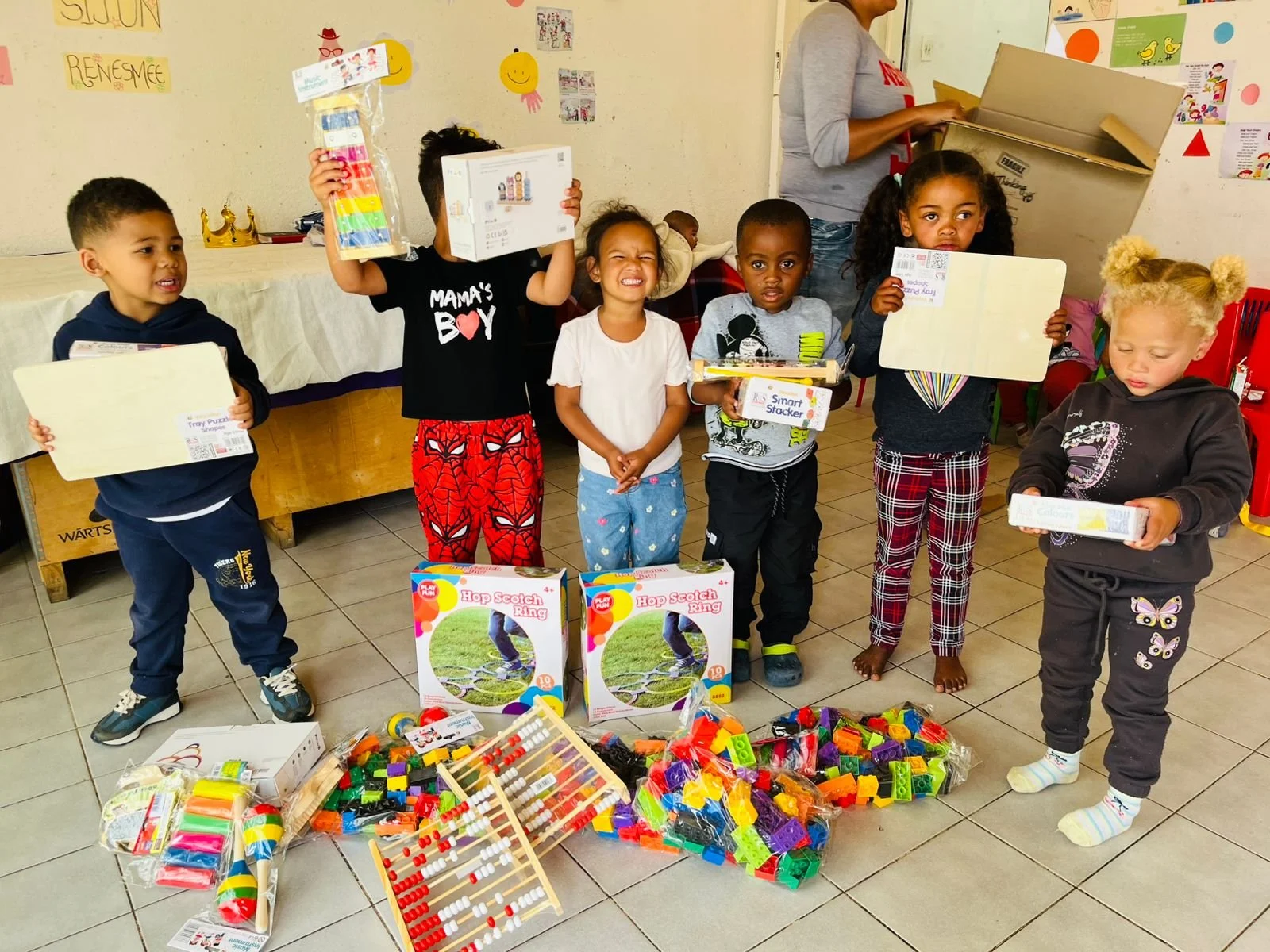
9 of 10 ECD centers fully upgraded (electricity, water, sanitation, kitchens, play areas, safety fencing) and brought into government compliance; now eligible for public subsidies; educational toys donated to all 10 centers
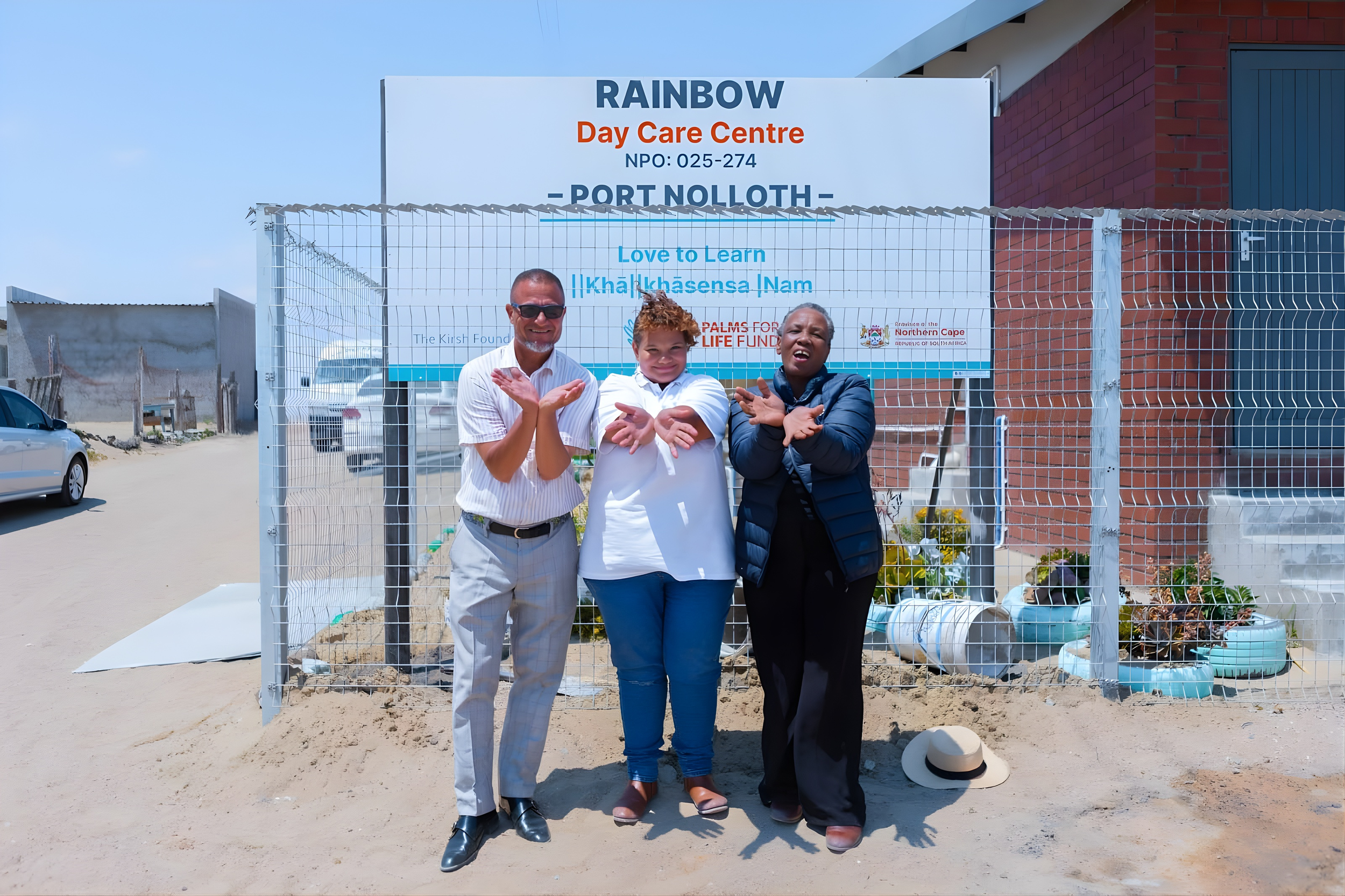
Inauguration held for renovated centers in Port Nolloth - community, local authorities, and cultural performers in attendance
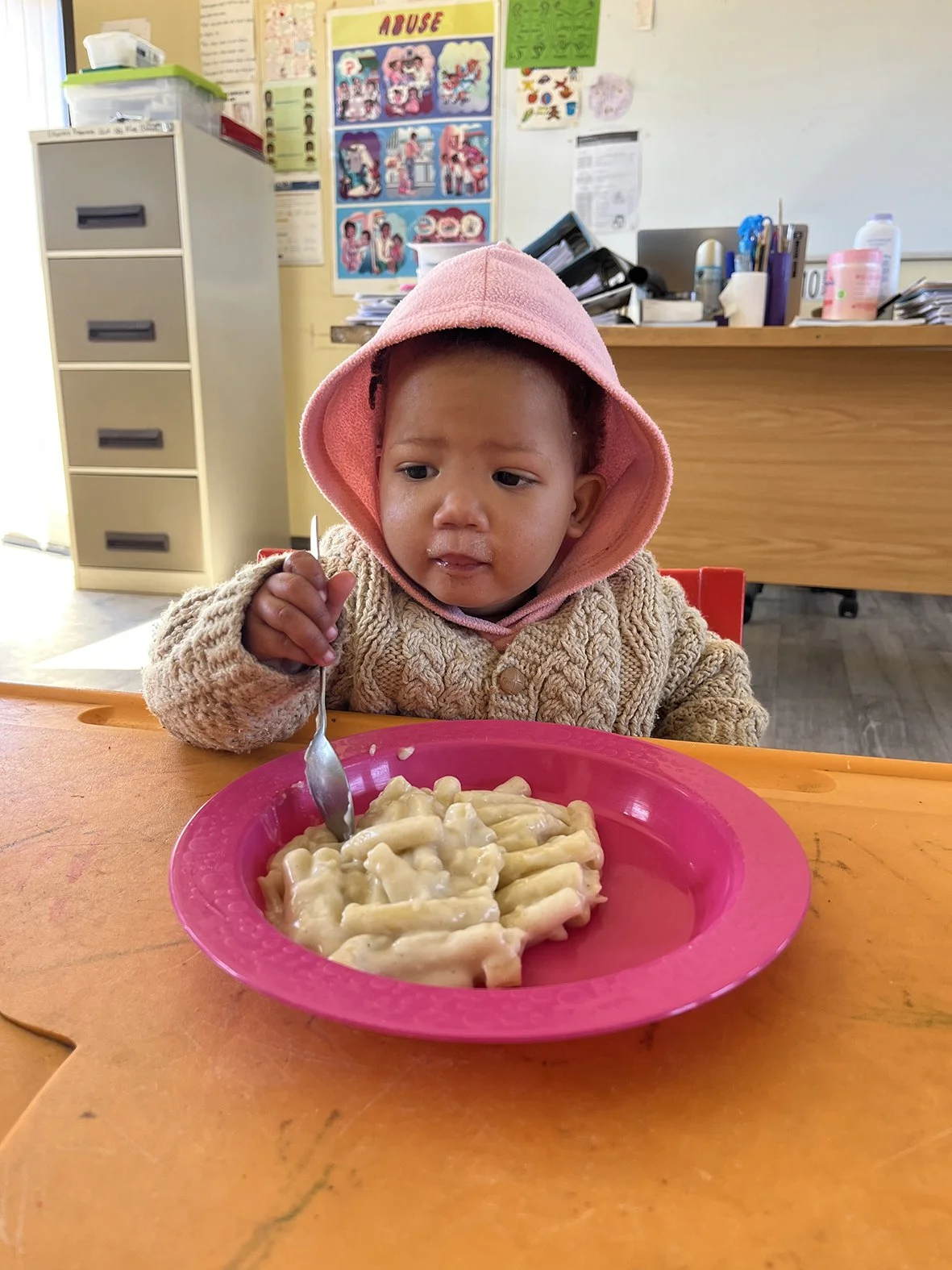
Andriesvale: Koopan ECD operational, serving 45 children; national curriculum complemented by twice-weekly N|uu language classes and daily food support
-
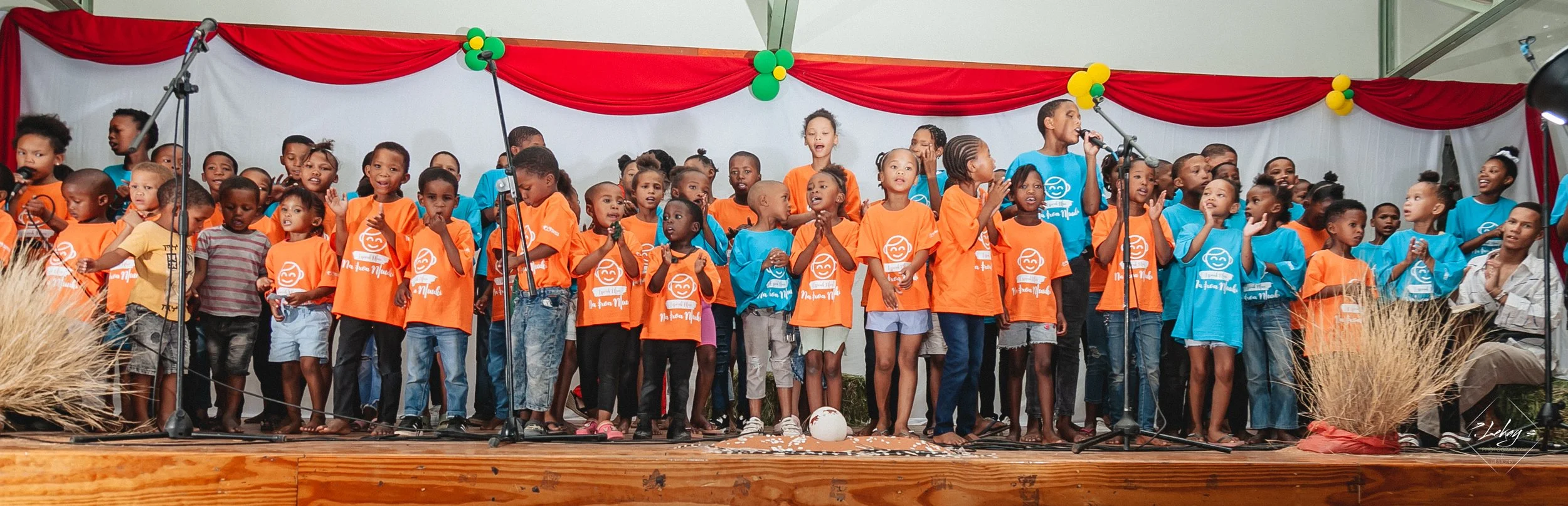
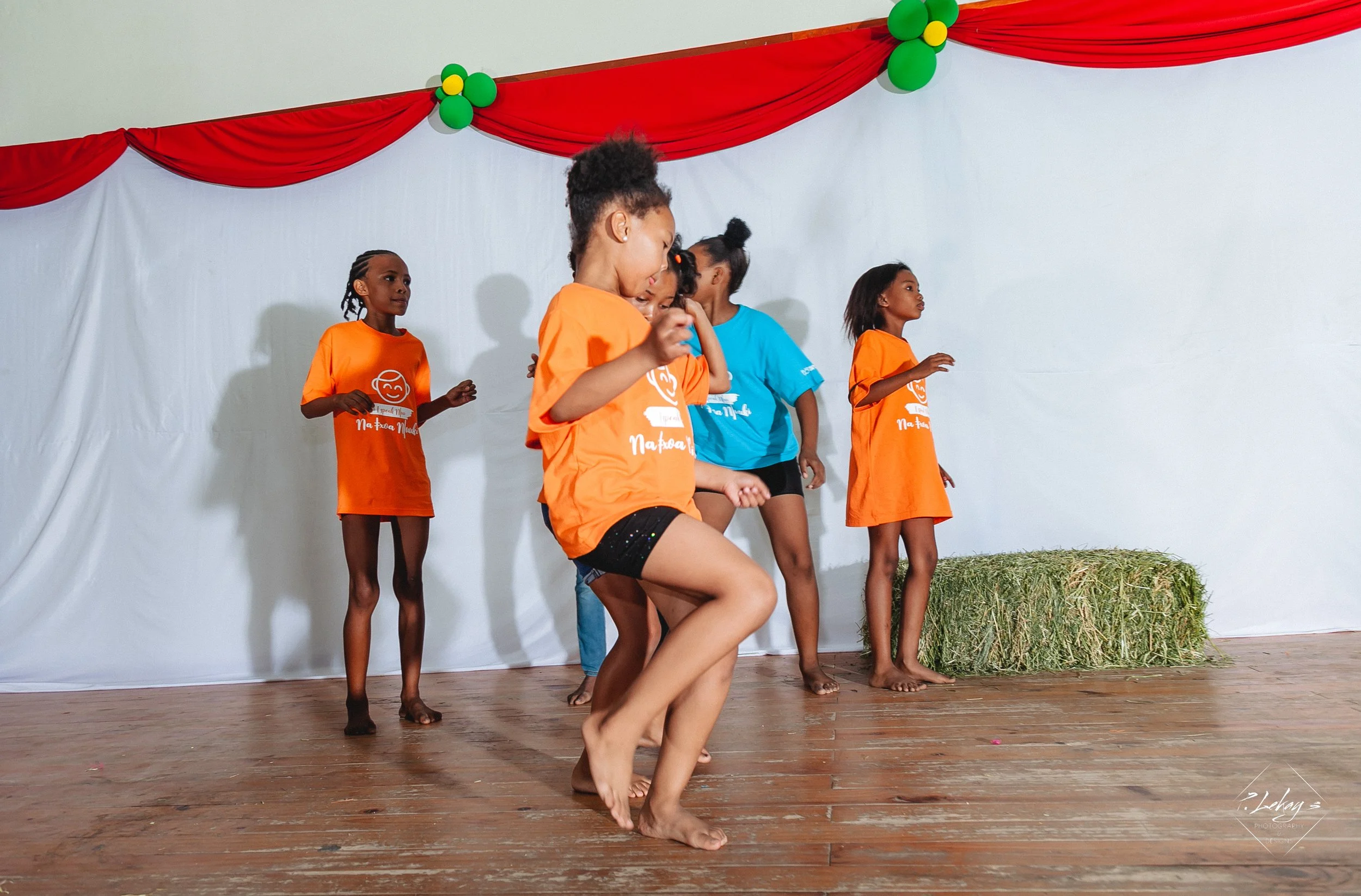
Andriesvale / Upington: N|uu classes ongoing at 3 sites — 150+ children learning weekly through song, story, and locally crafted instruments
N|uu digital preservation (Ibali archive): 344 audio and video files of ‖Khomani San language and history transcribed, translated, and made publicly searchable at UCT; Phase 2 underway
N|uu early learning materials developed for ages 6+ — open-source, in active use across Andriesvale and Upington schools; 20 lessons completed
Nama early literacy materials: all lessons completed and available online; Nama language classes in development for Richtersveld schools
Developed in partnership with a qualified South African linguist and ULIZA (AI-powered language app), drawing on the UCT Hugh Brody Collection — 20 years of N|uu, Nama, Kora, and Afrikaans audio/video
Language revitalization strengthens cultural self-esteem, intergenerational connection, and community advocacy — it is not an add-on to PFL’s work here, it is central to it
Platfontein: Community websites launched for !Xun and Khwe communities, building visibility and cultural representation
-
Andriesvale
Carocell solar water distillation system installed — supplying clean drinking water daily to 120+ households
2 existing boreholes equipped with solar pumps — previously ran on diesel, with frequent outages when funds were unavailable; now free to operate whenever the sun shines
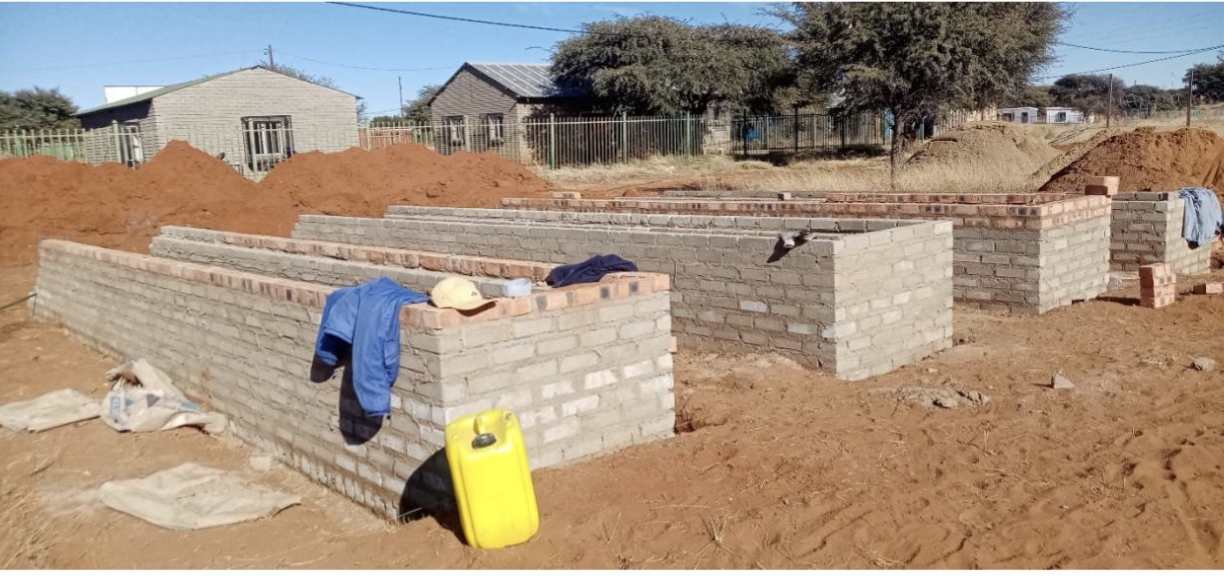
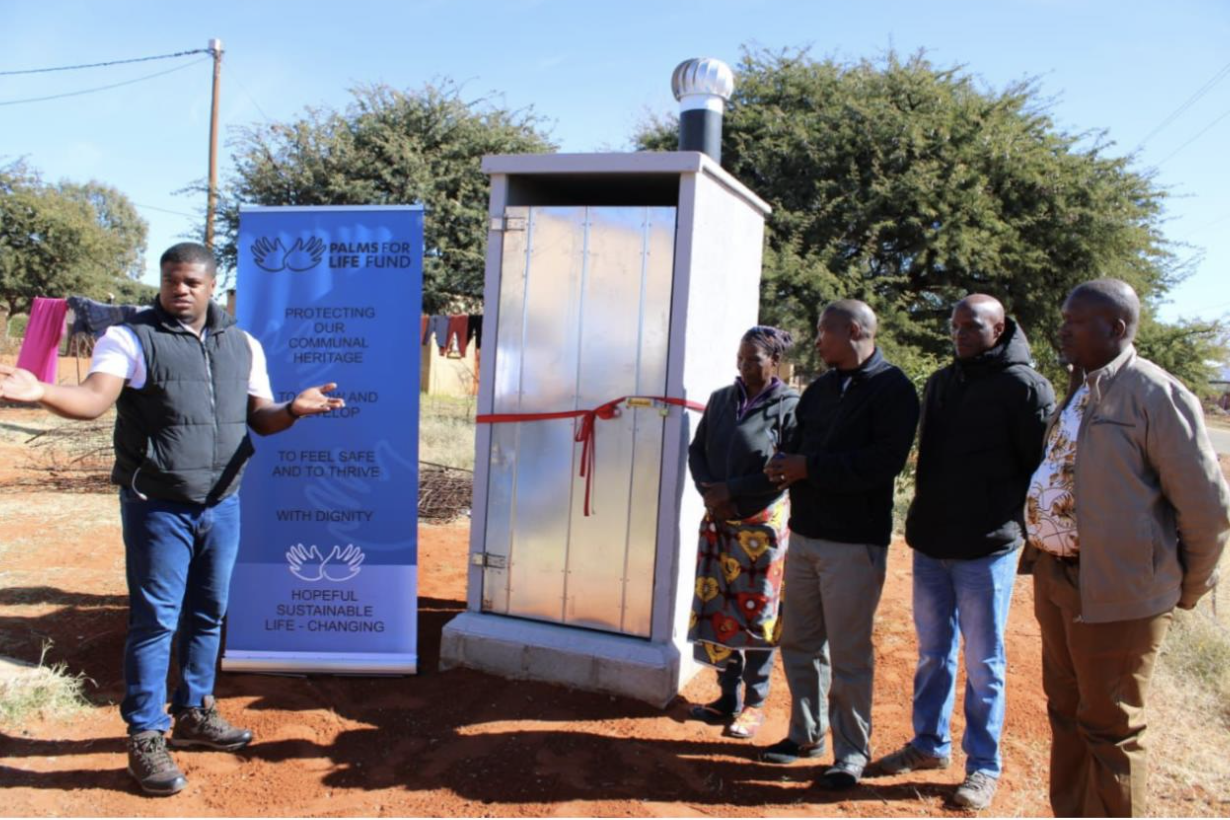
122 EnviroLoo waterless toilets operational, with a community monitor conducting regular servicing
Andriesvale Community Hall: solar and wifi installed, community-managed
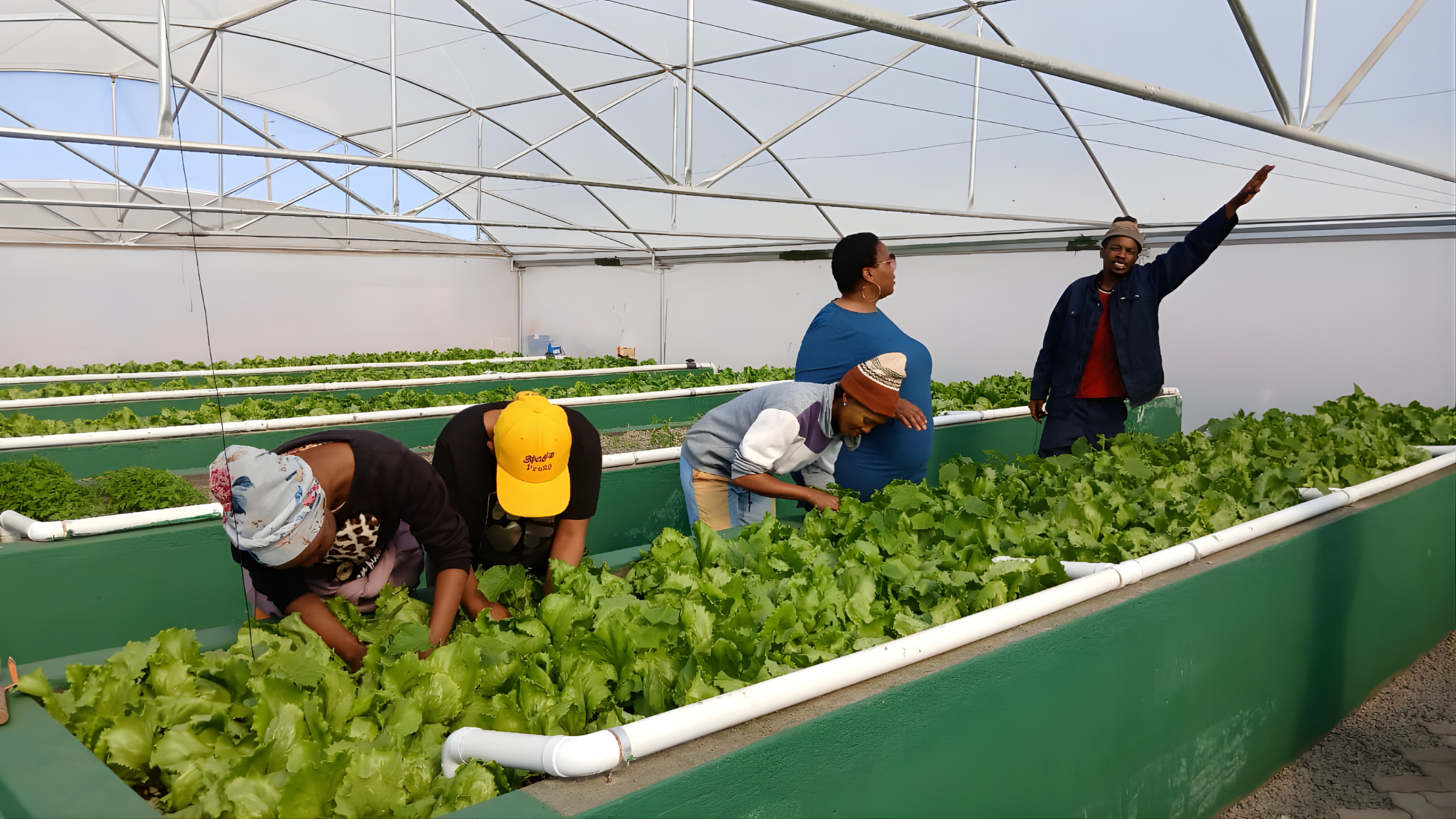
Hydroponics system installed using grey water from the distillation system, linking infrastructure investment to food production
Platfontein: 40 EnviroLoo toilets installed across !Xun and Khwe areas, with 2 dedicated community monitors
-
Platfontein
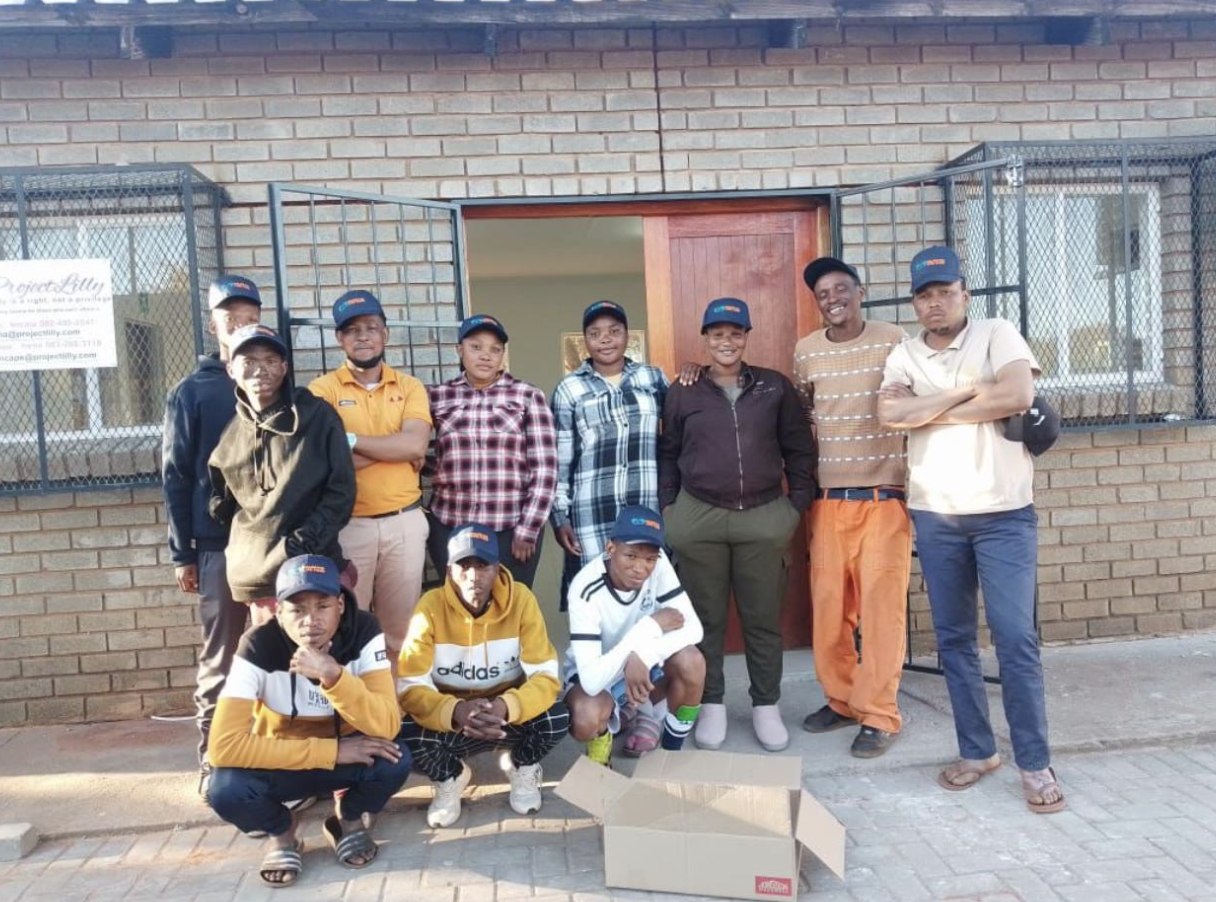
Plumbing training for !Xun and Khwe youth completed; participants under consideration for apprenticeships
Entrepreneurship training with SANCD: 10 youth equipped with business skills for small-scale enterprise
Aquaponics project advancing toward first fish sales; 12 youth working on-site
ECD operations generate local employment through practitioner roles, community monitors, and food support coordination across all three communities
Richtersveld: Additional vocational training nearing completion
Andriesvale / Upington: N|uu and Nama language instruction creates direct employment for teachers and assistants
-
Andriesvale: Food Sock project provides daily meals at Koopan ECD (5 days/week) and weekly support at Eland Primary School
Platfontein:
Community Protection Centre providing ongoing food support to vulnerable families
Aquaponics operations advancing toward first fish production and sale
Emergency flood relief: 267 households (~1,850 people) supported in the Northern Cape
Highlight:
1 remaining fluent N|uu speaker. 90 years old.
In the 1990s, there were 26 fluent speakers. PFL’s language classes, digital archiving, and early learning materials are a direct, time-urgent response to what that loss means.
Measurable Results
-
160
children at !Xunkhwesa ECD, Platfontein
-
9 of 10
Richtersveld ECD centers upgraded to government compliance
-
150+
children learning N|uu weekly across 3 sites
-
120+
households with daily clean water via solar distillation, Andriesvale
-
344
N|uu files archived and publicly accessible via UCT Ibali
-
344
waterless toilets installed across Andriesvale and Platfontein
Local Leadership
South Africa is PFL’s most complex program context: three communities across a wide geography, each requiring dedicated local relationships built over time.
PFL’s South Africa program operates through locally based coordinators in each project region, ensuring community-embedded implementation and oversight.
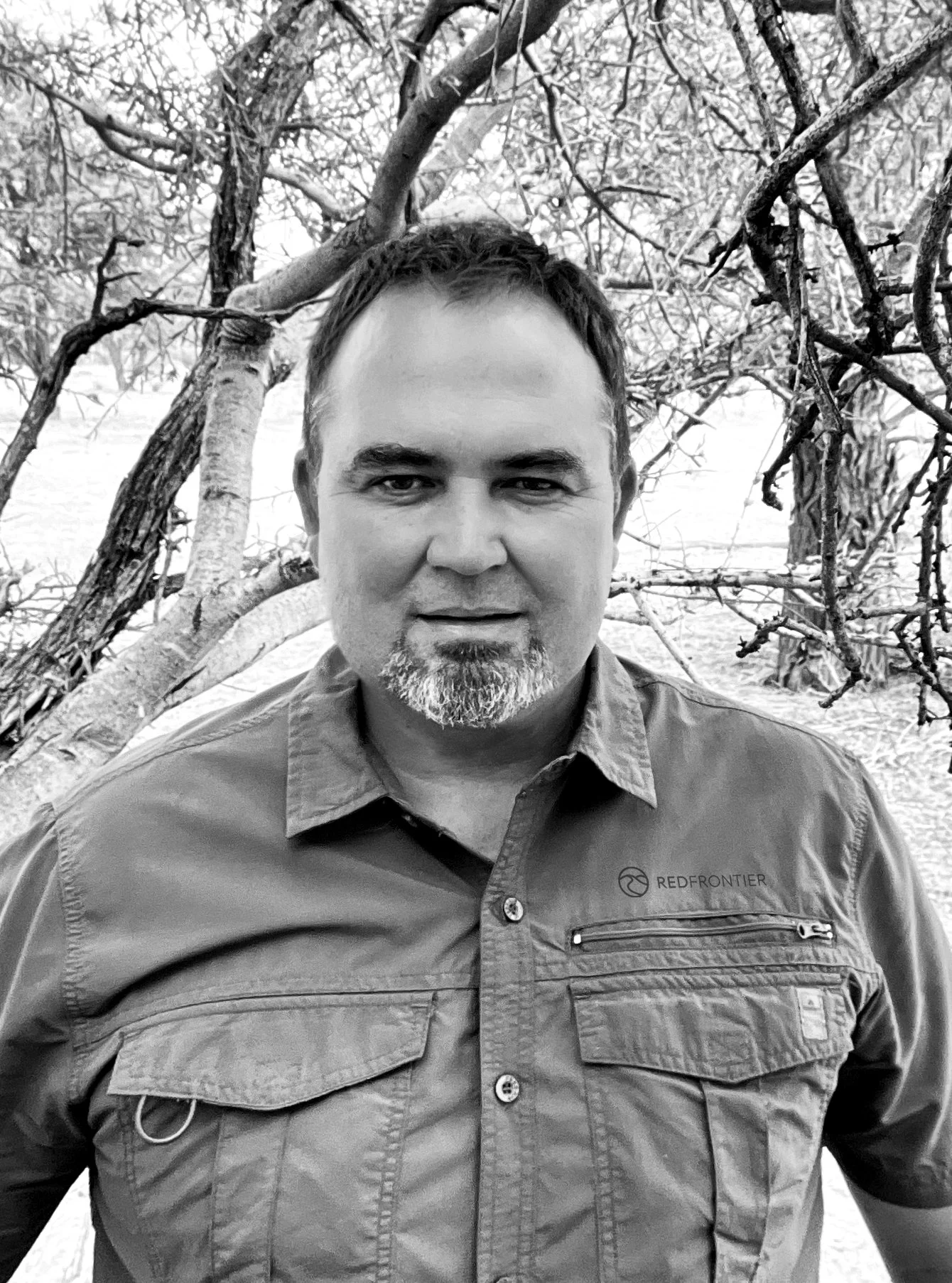
Pieter Johannes Naude Irna Cloete
Local Coordinator, Upington / Askham / Andriesvale
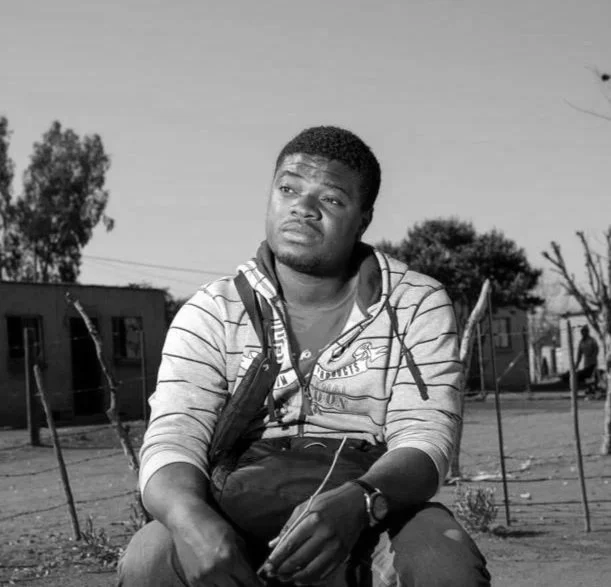
Itunu Bodunrin
Local Coordinator, Platfontein
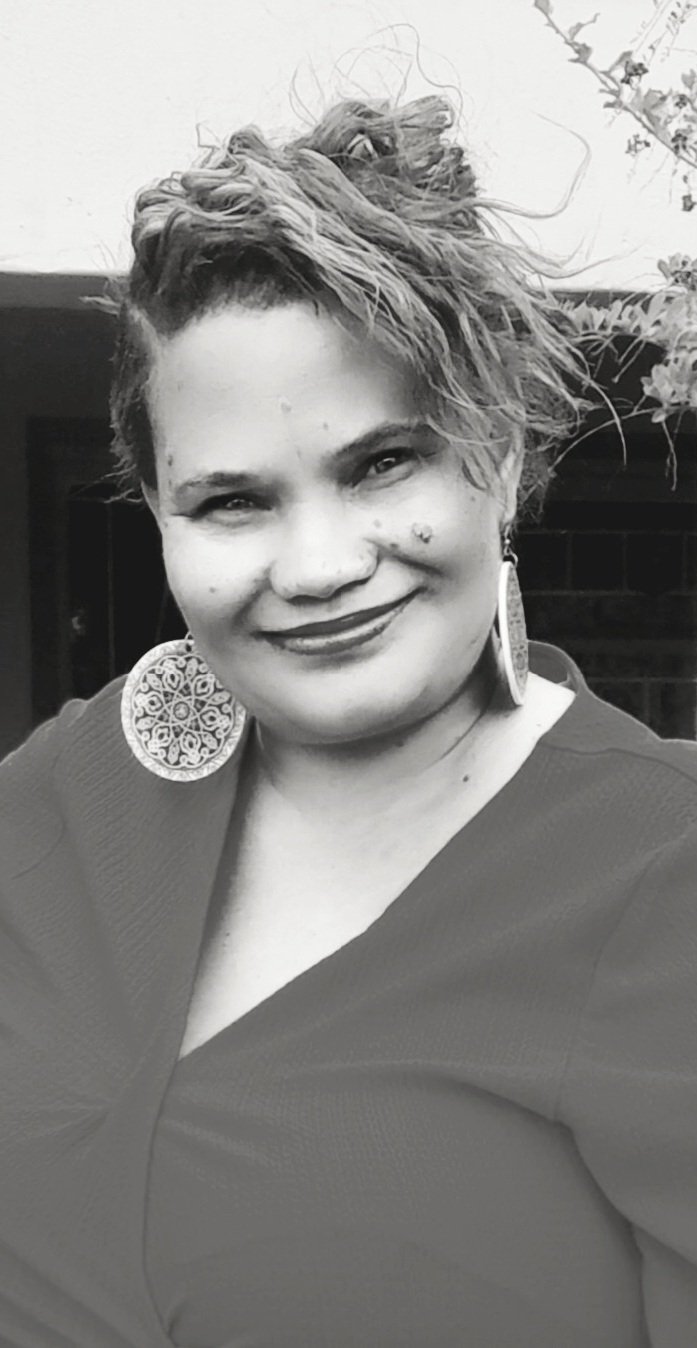
Nathalie Irna Cloete
Local Coordinator, Richtersveld