Our Work in Angola
Palms for Life Fund works with local communities in Angola to strengthen early childhood education, improve child nutrition, and create safer, more supportive learning environments for young children.
Introduction
Angola has a young population, but many children face barriers to accessing adequate nutrition, early childhood education, and essential services. Around 40% of children under five experience chronic malnutrition, while access to organized early learning remains limited, particularly for children in vulnerable communities. These challenges can affect children’s health, development, and readiness for primary school.
Source: UNICEF Angola, Children in Angola.
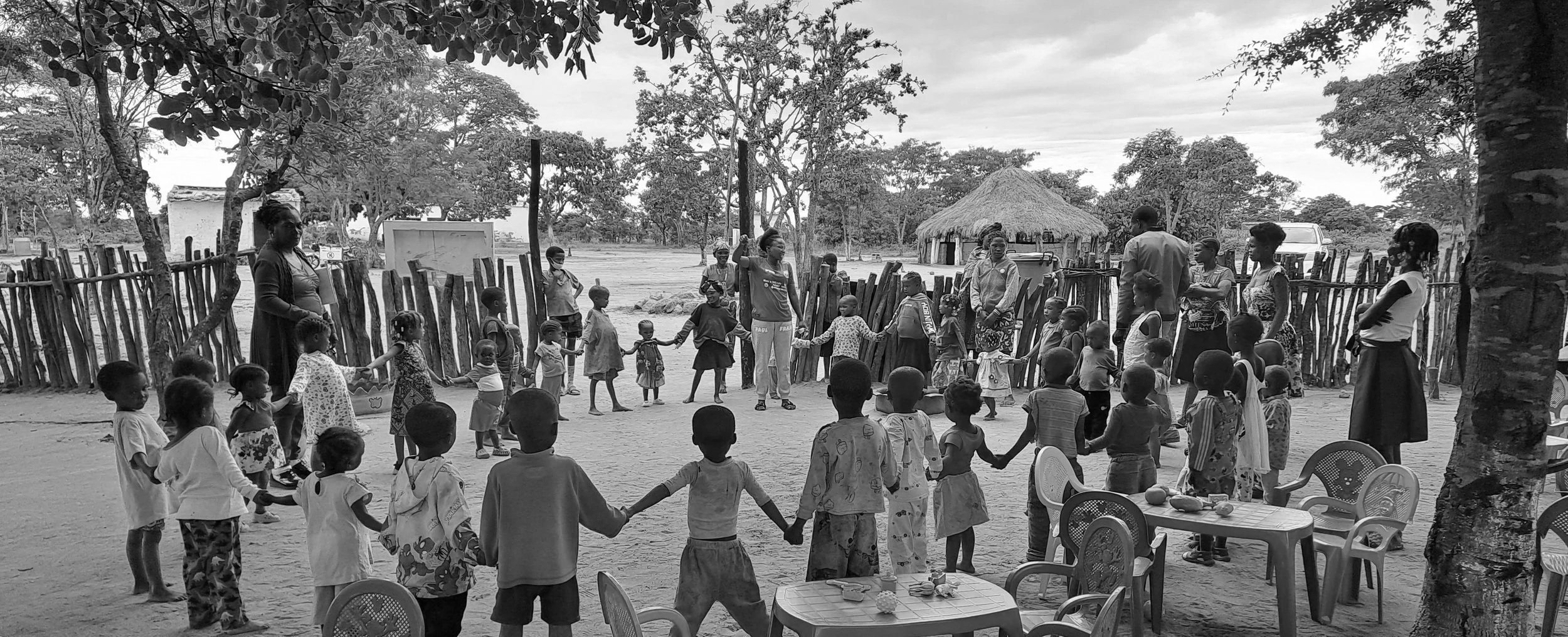
PFL’s work in Angola focuses on early childhood development through community-based centers in Hupa, Derruba, and Mupembati. By supporting educator training, improving learning environments, expanding access to regular meals, and working with parents and caregivers, PFL helps create stronger foundations for children’s learning, nutrition, and well-being.
Active Program Areas
-
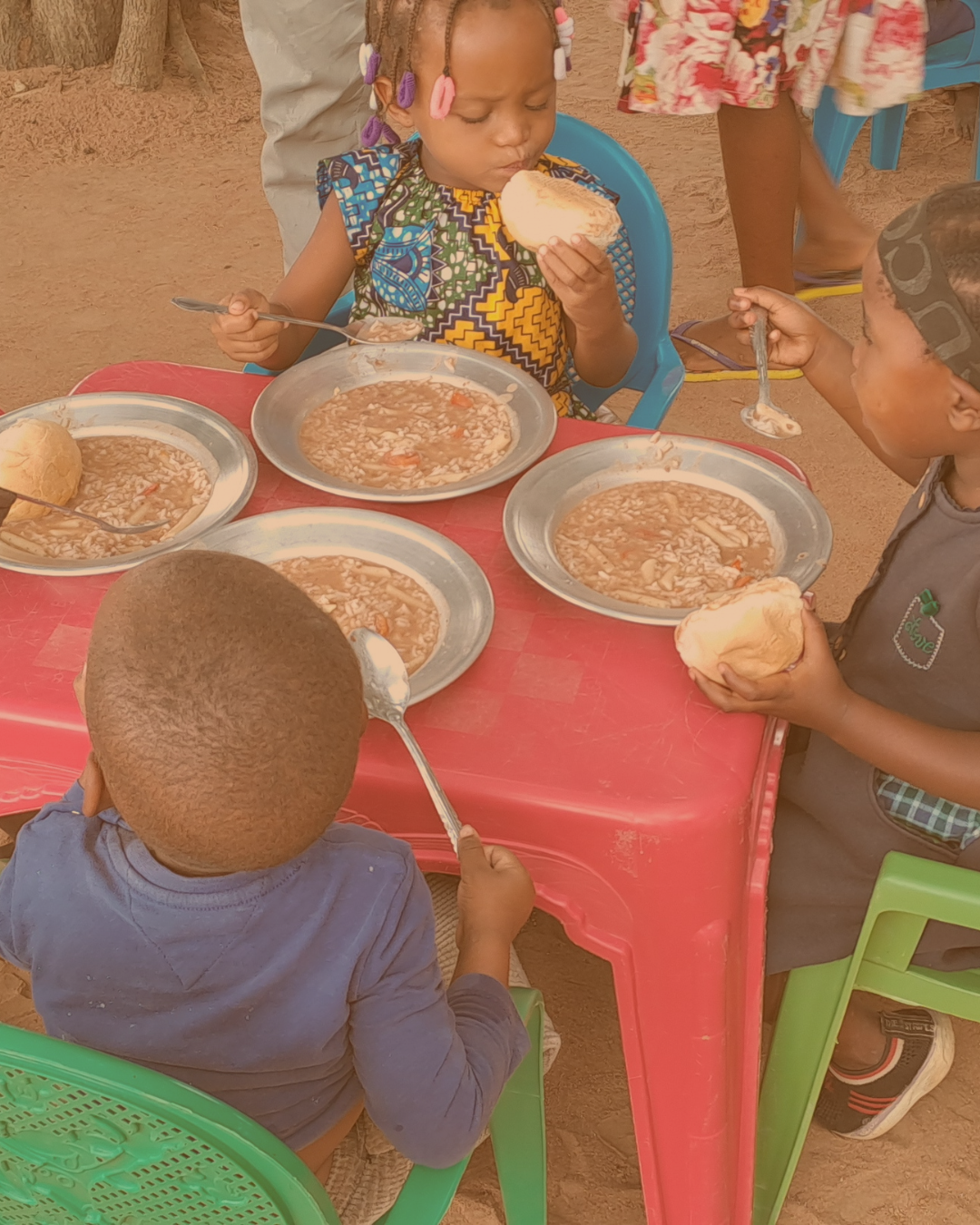
Regular provision of infant meals began in the 3 centers, 5 days a week, with 97% participation from the children. Previously, meals were provided three times weekly.
A refresher seminar was held with the cooks.
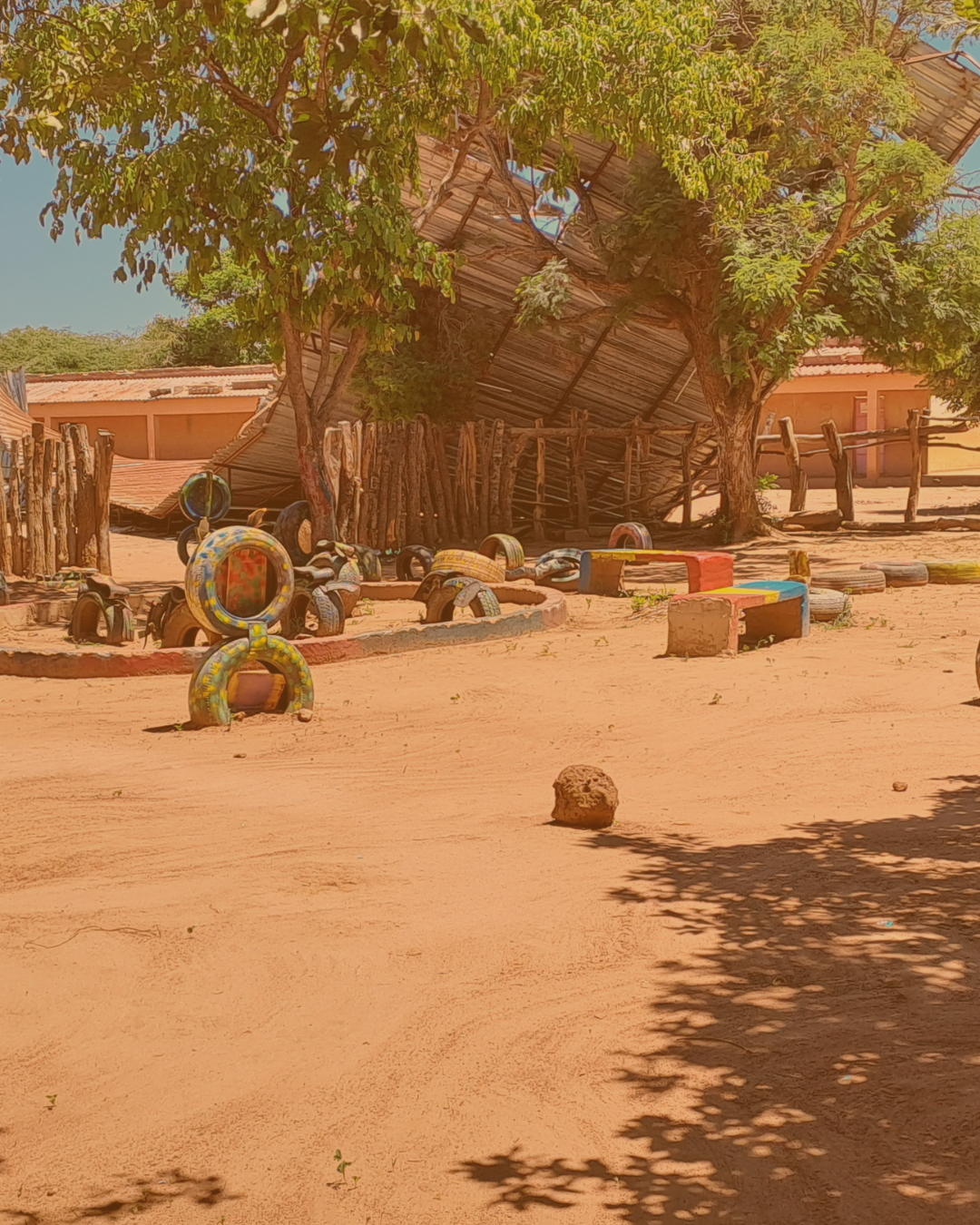
The 3 ECD centers (Centro da Hupa, Centro da Derruba, Centro de Mupembati) were rehabilitated with local materials, namely, replacing fences with shrub branches, repairing playgrounds with ropes and some local wood.
-
Cleaning and sanitizing activities w
-
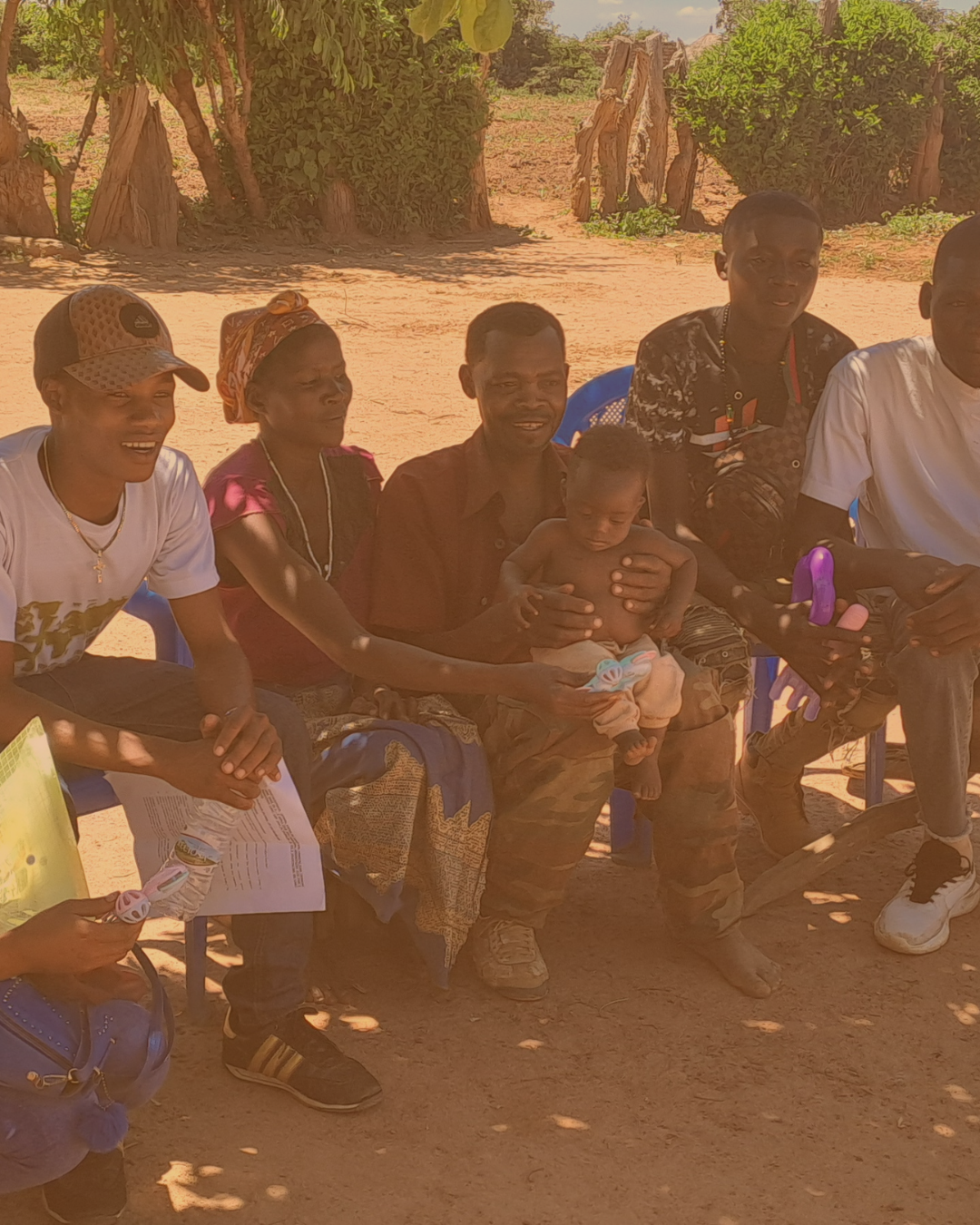
Educators conducted home visits.
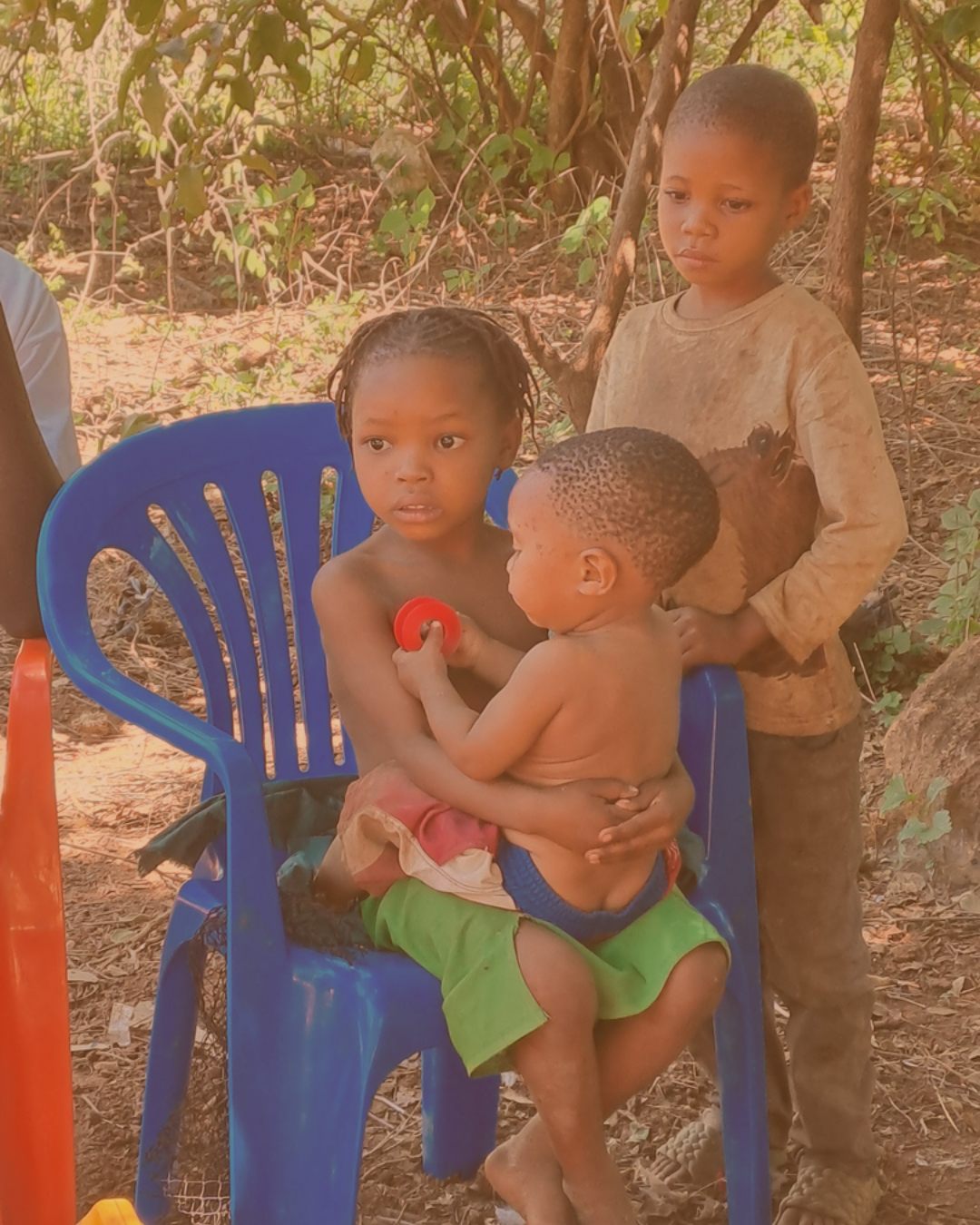
Vulnerable cases were identified and referred to the appropriate authorities.
In total, 41 children were enrolled: 13 at Mupembati, 17 at Derruba and 11 at Hupa.
Measurable Results
-
41
children enrolled across three early childhood development centers
-
3
ECD centers supported in Hupa, Derruba, and Mupembati
-
97%
participation in the centers’ meal program
-
5 days
of meals provided weekly, increased from three days
-
2
education consultants hired to support teaching and educator training
-
3
ECD centers rehabilitated using locally available materials